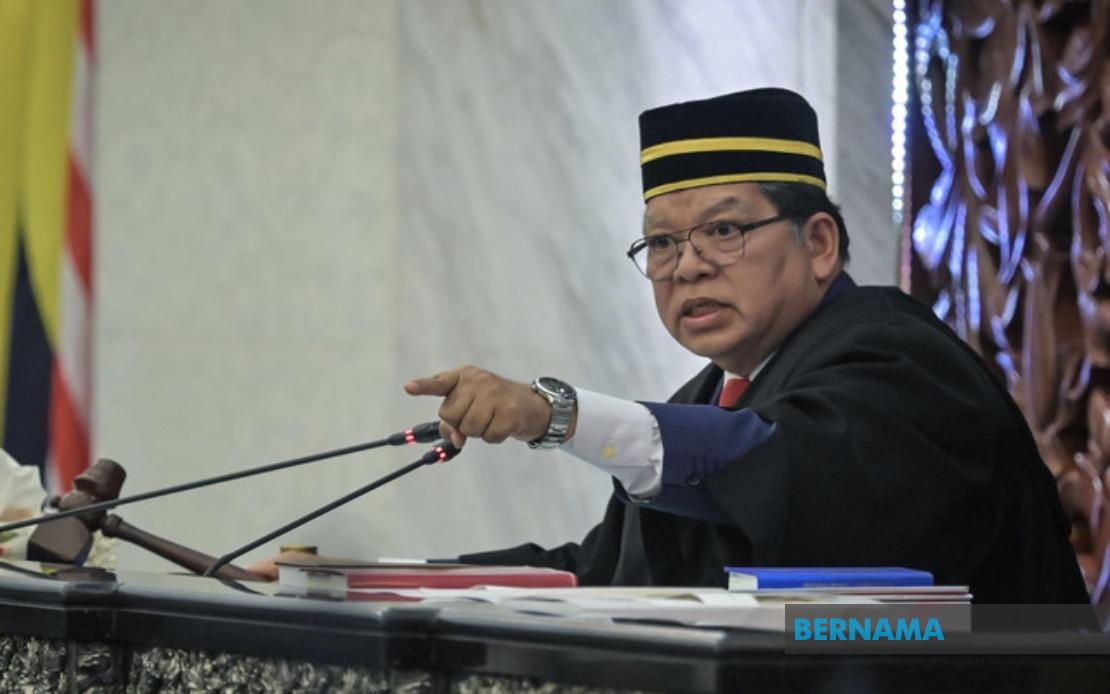
Wong Chen, the Member of Parliament for Subang, has formally stepped down from his position, prompting official confirmation from Dewan Rakyat Speaker Tan Sri Dr Johari Abdul at a Special Sitting of Parliament today. The resignation takes effect immediately, with the Speaker having received written notice of Wong's decision to relinquish his parliamentary membership. This development marks a significant moment in the political landscape of the Klang Valley, one of Malaysia's most important urban and economic centres.
According to the Speaker's announcement in Parliament, the formal resignation letter was submitted on August 5 and received on August 10. Wong had publicly disclosed his decision through a Facebook post yesterday, making the information available to constituents and the broader public simultaneously with official notification to the Dewan Rakyat. The Member had voluntarily chosen to step aside from the role, indicating a deliberate and considered decision rather than circumstances forced upon him by parliamentary procedure or party disciplinary action.
In accordance with constitutional requirements, Speaker Tan Sri Dr Johari Abdul has already begun the statutory process to address the parliamentary vacancy. Under Article 54(1) of the Federal Constitution, the Speaker's responsibility extends beyond merely accepting a resignation; the office must formally notify the Election Commission to trigger the necessary machinery for addressing the now-empty seat. This notification has been sent, setting in motion procedures that will ultimately determine whether a by-election will be called or other constitutional provisions applied.
The Subang constituency represents a significant political battleground within Selangor, Malaysia's most populous state. With a population of over half a million residents and comprising both urban and suburban areas, the seat has historically been contested between major political coalitions. Wong Chen's tenure as the Member has been marked by active parliamentary participation and engagement with his constituents on various socio-economic and governance issues affecting the federal territory and neighbouring Selangor.
Wong's decision to resign comes at a time when Malaysian politics continues to experience considerable flux and realignment. The past several years have witnessed multiple changes in government, shifting parliamentary dynamics, and evolving coalition structures. Members of Parliament occasionally step down for personal, professional, or political reasons, and such resignations create procedural requirements that occupy parliamentary and electoral machinery. The Subang seat's status will now depend on constitutional provisions and Election Commission determinations regarding the appropriate course of action.
The vacancy triggers important questions about the political implications for parliamentary composition and coalition mathematics. Depending on Wong's former party affiliation and the parliamentary balance of power, the vacancy could have ramifications for government stability or opposition strength in the chamber. By-elections, should one be called, also present opportunities for constituent engagement and political party mobilisation in what remains one of Malaysia's most politically engaged urban constituencies.
Election Commission procedures will now move forward to address the legislative vacancy. These procedures are well-established and documented within Malaysian electoral law, providing a framework for determining whether a by-election will be held or whether other constitutional mechanisms will apply. The timeframe for such decisions typically follows established electoral calendars and administrative protocols. Constituents of Subang will be awaiting clarity on whether they will be returning to the polls in the near term.
Wong's departure also reflects broader trends in Malaysian parliamentary politics, where Members occasionally exit the legislative chamber due to shifting personal circumstances or political reassessments. The Subang MP had represented the constituency in the previous parliamentary term and this one, maintaining a presence in both government and opposition configurations depending on the electoral cycles and coalition shifts that have characterised recent years.
The formal confirmation by the Speaker ensures that parliamentary records accurately reflect the seat's status and that all subsequent administrative actions proceed on proper constitutional footing. The Dewan Rakyat, as Malaysia's chief legislative chamber, maintains meticulous records of member composition, and the Speaker's confirmation today provides the official foundation for the Election Commission's subsequent actions. This procedural clarity is essential for maintaining the integrity of parliamentary operations and ensuring that constituents are aware of their representation status.
As the machinery of government responds to this parliamentary vacancy, the Subang constituency enters a period of transition. Whether through by-election or other constitutional provisions, the seat that Wong Chen has vacated will ultimately return to the hands of either the existing electorate or the wider parliamentary process, marking another chapter in the ongoing evolution of Malaysian electoral and legislative dynamics.

