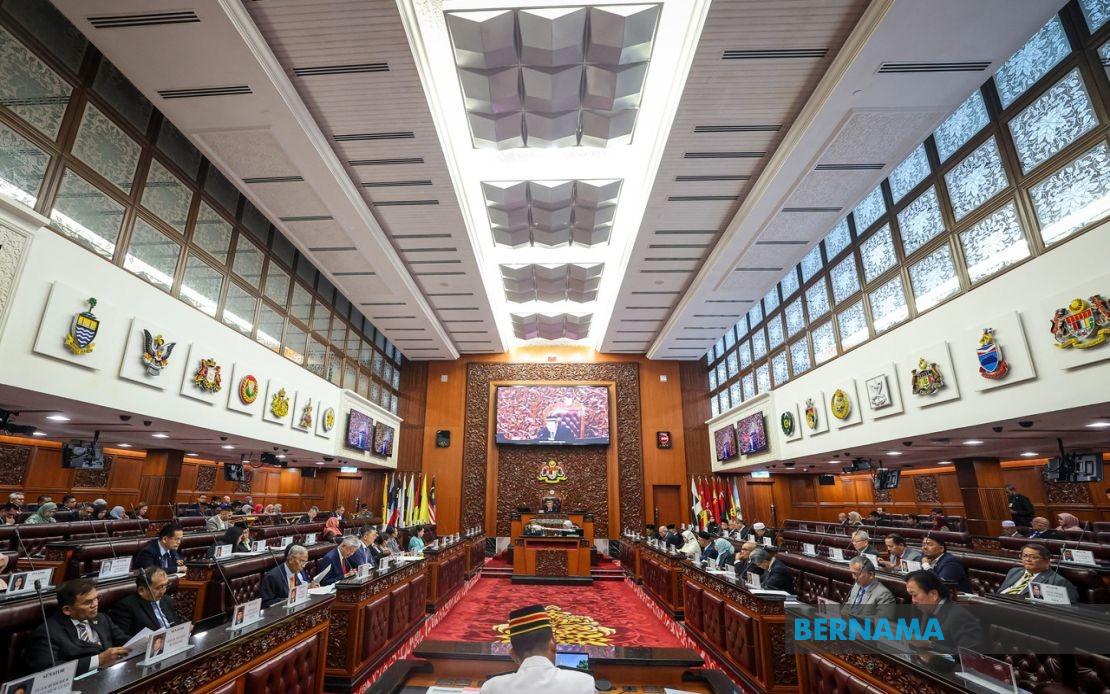
Malaysia's Dewan Negara has wrapped up the second meeting of its fifth term with the successful passage of 12 separate pieces of legislation, capping a productive 10-day session that commenced on July 20. The upper house, which serves as a critical chamber for legislative scrutiny and refinement, demonstrated the capacity of the parliamentary system to process significant regulatory reform across multiple sectors simultaneously.
The bills approved during the session span a remarkably diverse policy landscape, reflecting the government's broad agenda for modernisation and institutional strengthening. Among the headline measures is the Cybercrimes Bill 2026, which addresses the escalating challenge of digital threats in an increasingly connected Southeast Asian region where cybersecurity concerns have become paramount for both enterprises and government agencies. This legislation comes at a time when Malaysia, like its regional neighbours, faces mounting pressures from sophisticated online fraud, data breaches, and cross-border digital crimes that conventional legal frameworks struggle to address.
Transport sector regulation featured prominently in the approved legislation through the Road Transport (Amendment) Bill 2026, signalling the government's intent to modernise transportation governance at a moment when ride-sharing services, autonomous vehicle technology, and changing mobility patterns are reshaping how Malaysians move around cities and highways. The amendment framework suggests policymakers are attempting to keep pace with technological disruption while maintaining safety standards and protecting established stakeholders in the transport industry.
Criminal justice and protection mechanisms received equal attention, with lawmakers approving amendments to the Witness Protection Act and legislation specifically targeting sexual offences against children. These measures reflect growing international pressure and domestic advocacy efforts to strengthen protections for vulnerable populations and those willing to testify against powerful offenders. The Witness Protection amendments particularly carry significance for prosecuting complex cases involving organised crime, corruption, and gang-related violence where witness intimidation remains a persistent obstacle.
Economic regulation saw substantial movement through the passage of two competition bills—the Competition (Amendment) Bill 2026 and the Malaysian Communications and Multimedia Commission (Amendment) Bill 2026—alongside the Communications and Multimedia (Amendment) Bill 2026. Together, these measures appear designed to strengthen the regulatory framework governing Malaysia's competitive landscape and digital economy, potentially increasing enforcement powers and updating rules to address contemporary market structures that existing legislation may inadequately cover.
The agricultural sector received legislative attention through the Padi and Rice Control (Amendment) Bill 2026, underscoring the government's ongoing prioritisation of rice security and farmer welfare despite the sector's declining share of economic output. Rice remains culturally and nutritionally central to Malaysian identity, and legislative updates suggest efforts to adapt governance structures to contemporary challenges including climate volatility, imported competition, and generational shifts in agricultural participation.
Two additional bills—the National Trust Fund Bill 2026 and the Social Work Profession Bill 2026—address governance, social services, and the formalisation of professional standards within the social work field. The statistics legislation rounds out the session's work, likely modernising Malaysia's data collection and analytical capabilities as the country navigates digital transformation and the policy demands of an information-intensive economy.
Beyond the substantive passage of legislation, the session's significance extends to its procedural innovations and substantive debates. For the first time since 2022, the Dewan Negara conducted an Adjournment Speech session under Standing Order 16, enabling two consequential motions to be debated on matters of genuine national concern. The first motion addressed the escalating threat posed by cross-border e-commerce platforms such as Pinduoduo and Temu to Malaysia's micro, small and medium enterprises and broader retail sector—an issue of acute relevance as these platforms, by bypassing traditional import duties and leveraging global supply chains, undercut local businesses and threaten employment in the retail heartland.
The second motion tackled voting accessibility for auxiliary police members, raising questions about citizenship participation, political representation, and the rights of uniformed personnel who contribute to national security yet may face barriers to exercising fundamental democratic prerogatives. This debate signals broader parliamentary attention to equity in democratic participation across institutional boundaries and special categories of public service.
Dewan Negara Speaker Datuk Awang Bemee Awang Ali Basah, in his closing remarks, emphasised the value of the diversity of senators' perspectives in enriching the institution's traditional role as a house of checks and balances. His reflection captures the upper house's constitutional purpose: not merely to rubber-stamp lower house legislation, but to scrutinise, debate, and refine through the lens of senators drawn from professional, regional, and demographic backgrounds distinct from those of elected representatives. This institutional role has become increasingly important as governments face complex policy questions spanning trade, technology, and social cohesion.
Awang Bemee's invocation of National Day and Malaysia Day celebrations at the session's conclusion, calling for renewed commitment to constitutional supremacy, rule of law, and national unity, reflects the ceremonial and patriotic dimensions traditionally embedded in parliamentary procedure. The framing positions legislative work within a broader narrative of nation-building and institutional durability, suggesting that technical regulatory reform operates within a larger constitutional and social context that Malaysian policymakers view as requiring periodic reinforcement and collective recommitment.
The session's productivity demonstrates the Dewan Negara's capacity to process a substantial legislative agenda over a concentrated period, though observers may note that the pace of passage raises questions about the depth of scrutiny individual bills receive. For Malaysian stakeholders in sectors ranging from agriculture to digital commerce, cybersecurity to social services, the approved legislation signals the direction of regulatory evolution over coming years and the particular areas where government sees modernisation and institutional strengthening as priorities.

