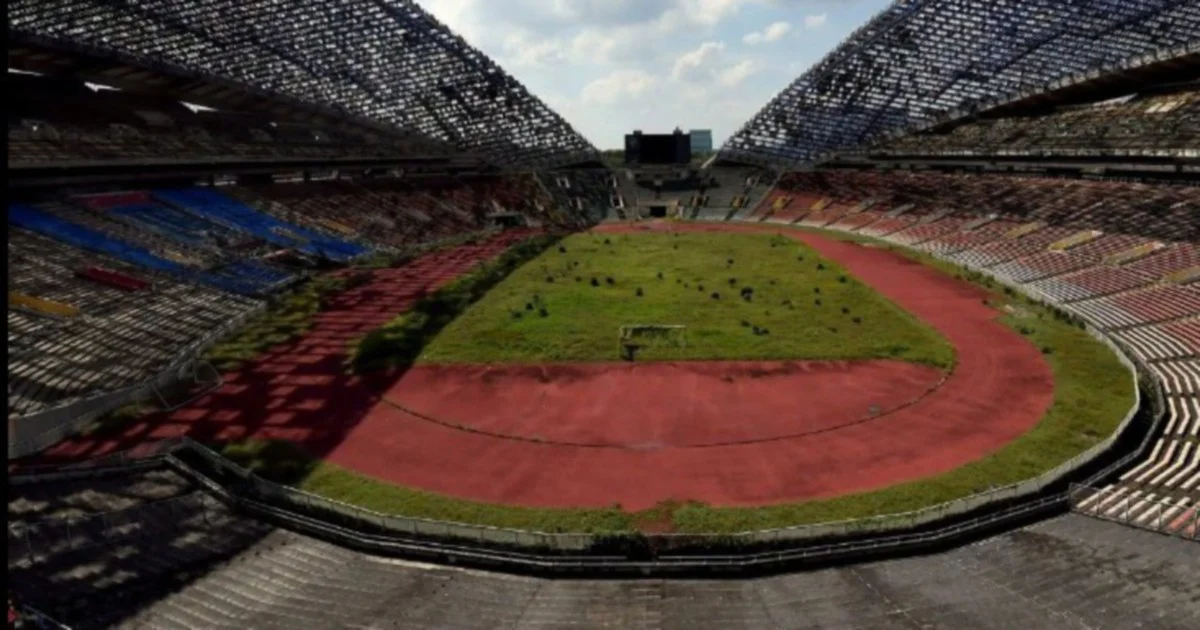
Malaysian Resources Corporation Bhd (MRCB) has successfully obtained a consent judgment at the Shah Alam High Court against activist Abdul Razak Ismail regarding online publications centred on the demolition and redevelopment of Shah Alam Stadium. The developer contended that the digital content disseminated by Ismail had inflicted economic damage to the corporation, prompting the legal action that concluded with the court-approved settlement.
The case reflects the increasingly complex intersection of digital activism, corporate interests, and judicial remedies in Malaysia's contemporary landscape. Consent orders, which require agreement from both parties and judicial approval, represent a middle ground between contentious litigation and unresolved disputes. This particular judgment signals MRCB's determination to protect its commercial interests and reputation against what it characterised as harmful online commentary regarding one of Shah Alam's most visible infrastructure projects.
Shah Alam Stadium, a significant sporting and entertainment venue in Selangor's capital city, has been the subject of considerable public discussion surrounding its redevelopment plans. The stadium's future has attracted attention from various quarters, including activists and community observers concerned about heritage preservation, public interest considerations, and the mechanics of urban renewal in Malaysia. MRCB's involvement in the project places the developer at the centre of these broader conversations about how major infrastructure undergoes transformation in contemporary Malaysian cities.
The emergence of online activism surrounding large-scale demolition and redevelopment projects reflects shifting patterns of civic engagement in the digital age. Rather than limiting dissent to traditional channels, citizens and activists increasingly utilise social media platforms, websites, and digital publications to articulate concerns about urban development decisions. This democratisation of discourse has expanded the terrain on which developers and activists contest the legitimacy and consequences of major construction undertakings, creating new friction points between commercial ambitions and public scrutiny.
From MRCB's perspective, the consent order represents validation of its position that inaccurate or damaging online publications warrant legal intervention. Developers have increasingly turned to the courts to defend themselves against what they view as defamatory or economically prejudicial digital content, arguing that unverified claims can undermine confidence in projects and deter investment or participation. This legal strategy underscores corporate vulnerability to reputational harm in an environment where online information circulates rapidly and widely.
The activist perspective, which remains implicit in this case, typically centres on questions of corporate accountability, transparency in major projects, and the public's right to scrutinise decisions affecting urban spaces. Activists often argue that critical engagement with development projects constitutes legitimate civic participation rather than economic sabotage. The tension between these frameworks—corporate protection of reputation and activist assertion of accountability—continues to shape Malaysia's evolving approach to regulating online expression related to commercial matters.
Consent judgments function as pragmatic solutions when both parties wish to conclude proceedings without protracted courtroom battles. Such arrangements often involve agreed-upon terms that address the complainant's grievances while potentially limiting admission of wrongdoing. The specific conditions within MRCB's consent order have not been detailed publicly, leaving open questions about what remedies the court mandated and what undertakings, if any, Ismail may have provided regarding future online publications about the stadium project.
For Malaysian lawyers and civil society observers, this case exemplifies the broader challenge of balancing corporate interests with freedom of expression and legitimate public discourse. As Malaysia continues navigating its position as a developing nation with aspirations toward greater democratic openness, questions about when online criticism crosses into legally actionable harm remain contested terrain. Courts must weigh claims of economic damage and reputational injury against principles protecting robust public debate about matters affecting community spaces.
The Shah Alam Stadium case also underscores how major infrastructure projects in Malaysia frequently become focal points for wider conversations about governance, transparency, and public participation. When significant urban facilities undergo demolition or fundamental transformation, affected communities and observers often seek assurance that decisions reflect public interest considerations alongside commercial viability. Developers navigating these expectations face pressure to demonstrate legitimacy through both substantive engagement and defence against what they perceive as unfounded attacks.
Moving forward, this judgment may influence how activists and developers approach contested projects in Malaysia. For activists, the outcome may reinforce the need for careful documentation and verification before publishing critiques. For developers, the precedent may encourage similar legal actions to protect commercial interests against online criticism deemed economically damaging. The broader implications for Malaysian civil society depend partly on how courts continue calibrating protection of corporate reputation against citizens' ability to engage critically with public decisions affecting their cities.
The resolution through consent order suggests neither party wished to endure a full adversarial trial, but the underlying tensions between development imperatives and public accountability remain unresolved in Malaysian practice. As urbanisation accelerates and development projects multiply across the nation, establishing clearer frameworks for distinguishing between actionable economic harm and protected political speech will become increasingly essential for maintaining both commercial confidence and democratic openness.

