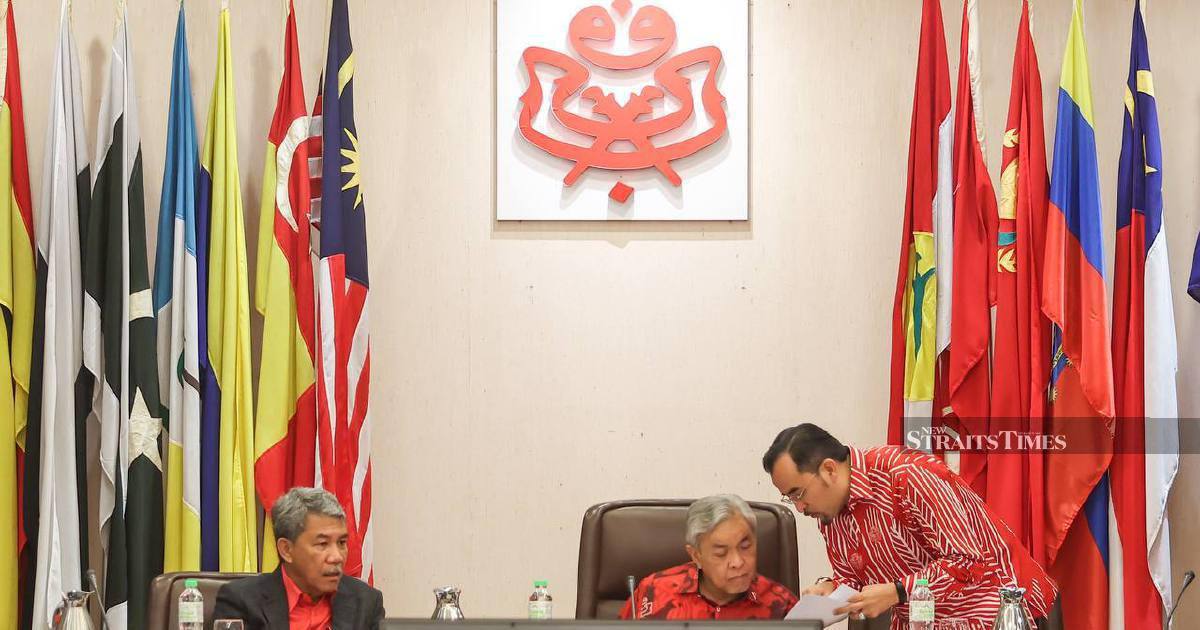
Datuk Dr Asyraf Wajdi Dusuki, Umno's secretary-general, has emphasised the fundamental principle that those detained for investigative purposes must be treated with the presumption of innocence until the courts reach a conviction. His statement underscores the importance of maintaining judicial fairness and protecting individual rights throughout the investigation process, a matter that carries particular significance in Malaysian legal discourse where public perception of detainees can significantly influence their standing and reputation.
The principle of presumption of innocence represents a cornerstone of justice systems across the Commonwealth, including Malaysia's legal framework. This doctrine ensures that the burden of proof rests solely with prosecutors, and no individual should face prejudgment in the court of public opinion or the criminal justice system itself. Asyraf's remarks appear to address concerns about how detainees are sometimes portrayed in media coverage or public commentary before their cases reach trial, potentially undermining their right to a fair and impartial hearing.
In Malaysian practice, detention for investigation purposes serves legitimate law enforcement objectives, allowing authorities to gather evidence, interview suspects, and examine circumstances surrounding alleged offences. However, this procedural necessity does not abrogate a detained person's fundamental rights. The distinction between detention for investigation and conviction is crucial; the former is a temporary measure within the investigative framework, while the latter represents a formal finding of guilt following due process.
The timing of Asyraf's statement suggests awareness of public debate surrounding how law enforcement and media present individuals in custody. Malaysian society, like many modern democracies, grapples with balancing transparency in legal proceedings against protecting the rights of those awaiting trial. This tension has become increasingly visible in cases attracting significant public interest, where social media and news coverage can shape perceptions before evidence is formally tested in court.
Legal scholars and human rights advocates in Malaysia have consistently championed the presumption of innocence as essential to maintaining public confidence in the judicial system. When this principle is undermined, either through prejudicial reporting or premature declarations of guilt, it erodes the legitimacy of eventual court decisions. Conversely, rigorous adherence to this doctrine strengthens the rule of law by ensuring that criminal convictions rest on evidence examined in open court rather than public sentiment or investigative pronouncements.
Asyraf's intervention as a senior Umno figure carries political weight within Malaysia's governance landscape. The ruling coalition's senior partner has considerable influence over policy frameworks and public discourse, making statements from leadership figures particularly influential when addressing judicial principles and law enforcement practices. His assertion reflects a broader commitment within the party to upholding constitutional values, though such statements occasionally encounter scrutiny regarding their consistency with practice in specific high-profile cases.
The investigation period itself presents unique challenges for detained individuals. While authorities require reasonable time to pursue evidence, investigations must proceed within defined legal parameters to prevent abuse. Malaysia's Criminal Procedure Code establishes detention limits and procedural requirements that attempt to balance investigative necessity with individual protection. However, the practical application of these safeguards depends substantially on institutional commitment to upholding them uniformly across all cases, irrespective of the detainee's profile or public interest.
For Malaysian readers navigating news coverage of legal matters, Asyraf's statement reinforces the importance of distinguishing between media speculation and judicial findings. Public figures held in detention pending trial require particular protection against prejudicial treatment, as their visibility potentially magnifies reputational damage. This consideration extends to ordinary citizens as well; many Malaysians encountered legal difficulties and their fates should be determined by courts rather than predetermined by public judgment formed before evidence is tested.
The statement also carries implications for how Southeast Asian nations collectively approach justice and human rights. As member states of ASEAN navigate reforms to strengthen rule of law and judicial independence, principles like presumption of innocence form essential common ground. Malaysia's reaffirmation of these values contributes to regional standards emphasising fair treatment and due process, distinguishing legitimately functioning justice systems from those relying on arbitrary authority.
Looking forward, Asyraf's remarks invite closer examination of how Malaysia implements presumption of innocence in practice. Measuring the gap between principle and application requires monitoring media practices, law enforcement communications, and judicial handling of cases involving detained individuals. Civil society organisations and legal professionals continue documenting instances where public perception and due process intersect problematically, providing evidence-based foundations for institutional improvements.
The broader significance of defending this principle extends beyond individual cases. Societies that consistently uphold presumption of innocence develop stronger institutional resistance to wrongful convictions and arbitrary state action. By emphasising these values through leadership statements, Malaysian figures contribute to a cultural and institutional commitment that protects all citizens, regardless of circumstances or public attention they may attract. This foundational principle ultimately strengthens Malaysia's entire legal system and public trust in institutions tasked with administering justice fairly.

