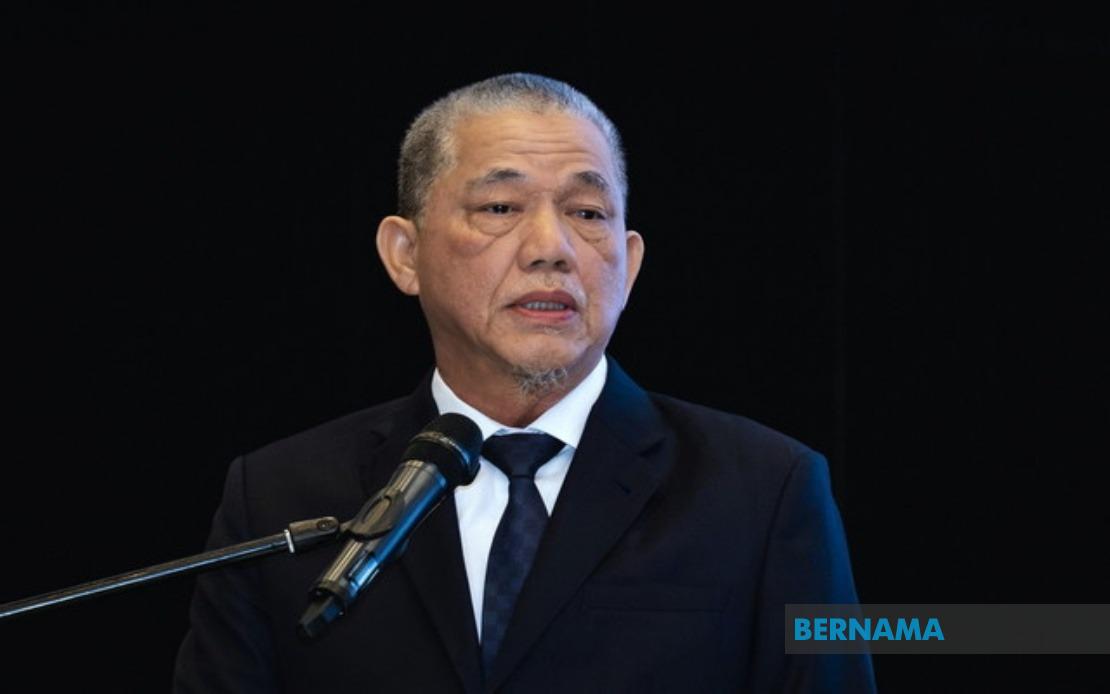
Deputy Prime Minister Datuk Seri Fadillah Yusof is set to undergo heart bypass surgery at the National Heart Institute (IJN) in the coming weeks, his office confirmed on August 3. The decision follows recommendations from his medical team, who have determined that the procedure is necessary for the senior Cabinet member. Datuk Misiah Taib, serving as press secretary to both the Deputy Prime Minister and the Minister of Energy Transition and Water Transformation, made the announcement public through an official statement from his office.
The confirmation of Fadillah's medical procedure marks a significant development in Malaysia's political landscape, as the Deputy Prime Minister holds one of the nation's most senior executive positions. His hospitalization and recovery period will have implications for the functioning of his ministerial duties, particularly in overseeing the crucial energy transition and water transformation portfolio. The timing of such a major surgical intervention necessarily raises questions about ministerial responsibilities and continuity of governance during what could be an extended recovery period.
According to the statement released by his office, Fadillah currently maintains stable health status despite the cardiac condition requiring surgical intervention. Medical professionals have advised him to prioritize complete rest and to avoid receiving visitors during the treatment and recovery phases. This precaution is standard practice following coronary bypass procedures, as minimizing external stimulation and maintaining a controlled environment are critical for successful post-operative recovery and preventing complications.
The family has made a formal appeal to the Malaysian public to offer prayers and well-wishes during this challenging period. Such requests reflect the cultural and religious significance placed on collective community support within Malaysian society, where public figures' health matters often generate widespread public concern and expression of solidarity. The family's request for privacy and focused recovery time demonstrates their commitment to ensuring that medical professionals can provide optimal care without distraction.
Heart bypass surgery, also known as coronary artery bypass grafting, is a major surgical procedure that involves redirecting blood flow around blocked or narrowed coronary arteries. The National Heart Institute, where Fadillah will receive treatment, is Malaysia's premier cardiac facility and has handled numerous high-profile cases. The procedure carries standard surgical risks but, when successful, significantly improves blood flow to the heart muscle and reduces the risk of heart attack.
Fadillah's health situation comes at a time when Malaysia's government continues to navigate complex policy challenges across energy, infrastructure, and water management sectors. These portfolios are central to the nation's development agenda and long-term sustainability planning. His temporary step back from active ministerial duties during recovery will require careful delegation and coordination among his team to maintain continuity in these critical areas of governance.
The Deputy Prime Minister's medical disclosure adds to a growing list of health-related absences among senior government officials in recent years, highlighting the physical and mental demands of holding top positions within Malaysia's political hierarchy. Such incidents underscore the importance of succession planning and institutional resilience within the civil service and Cabinet structure. Clear communication about leadership transitions, even temporary ones, helps maintain public confidence in governmental functioning.
The public announcement of Fadillah's upcoming surgery follows established protocols for senior government figures undergoing significant medical procedures. Transparency regarding the health status of high-ranking officials serves important democratic functions, allowing the public and Parliament to understand potential gaps in ministerial capacity and enabling informed assessment of governmental continuity. This openness contrasts with earlier eras when such matters were often kept confidential.
During Fadillah's recovery, attention will naturally turn toward how his ministerial responsibilities are managed in his absence. Whether duties are distributed among existing Cabinet members or handled through acting arrangements, the government must ensure that critical energy transition initiatives and water resource management do not face delays. These sectors are foundational to Malaysia's competitiveness and environmental stewardship.
The expression of gratitude from Fadillah's family toward those offering support and prayers reflects the communal aspect of Malaysian political culture, where personal challenges faced by public figures often generate genuine expressions of concern across political divides and community boundaries. Such solidarity, while politically significant, also illustrates how Malaysian society views its leadership beyond purely partisan considerations, with recognition that the wellbeing of senior officials ultimately affects national stability and progress.

