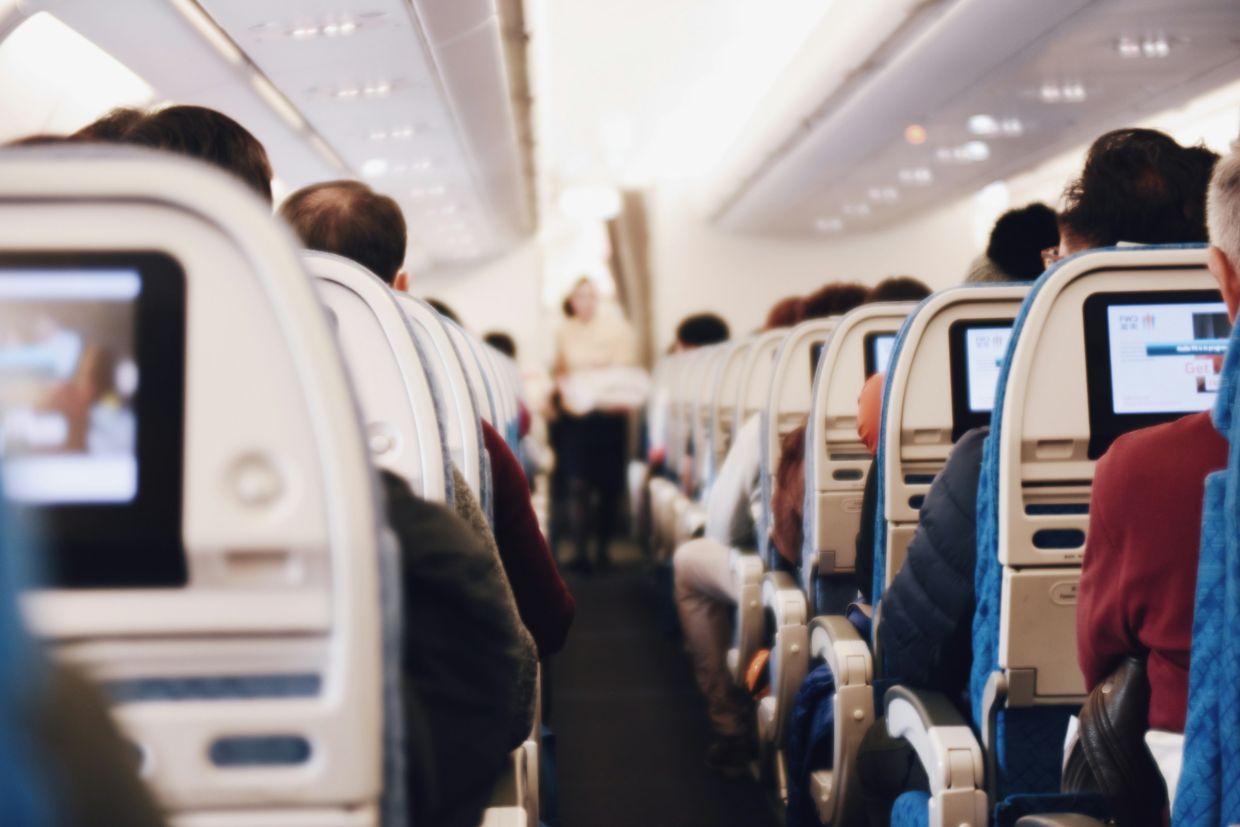
Delta Air Lines is investigating the unexpected appearance of an unauthorised WiFi network aboard one of its flights departing Las Vegas on August 10, raising fresh questions about cybersecurity vulnerabilities in commercial aviation. The incident occurred on Delta Flight 591, travelling to Atlanta from Las Vegas, just hours after the conclusion of Def Con, widely regarded as the world's premier gathering for hackers and cybersecurity professionals. Delta spokesperson Morgan Durrant confirmed that the unauthorised network became active for a brief period, forcing the flight crew to temporarily disable the Boeing 757 aircraft's WiFi system for approximately 30 minutes as a precautionary measure.
While the incident attracted immediate attention from federal authorities, Delta has been careful to emphasise that no core flight systems were compromised and passenger safety was never jeopardised. According to Durrant's statement, there was no successful breach of Delta's systems, and air traffic control personnel did not deem the situation serious enough to declare an emergency. The airline is now working alongside federal law enforcement agencies and aviation regulators to determine exactly how the unauthorised network was activated and to understand the full scope of what transpired during the brief window when it was operational. The investigation, Delta indicated, would be thorough but time-consuming as officials piece together the circumstances surrounding the incident.
The Federal Bureau of Investigation acknowledged awareness of the "potential WiFi-related incident" through its Atlanta office, confirming liaison with local and corporate partners, though officials declined to elaborate further on their findings or investigative direction. The Federal Aviation Administration also initiated its own review of the matter, with agency representatives noting that while a breach of onboard WiFi systems is a valid security concern, such incidents typically do not affect the critical avionics and safety systems that control aircraft operations. This distinction is important for understanding the severity of the breach: while passenger data security and network integrity matter greatly, the physical safety and navigation capabilities of the aircraft remained fully operational throughout.
Def Con, which drew thousands of security researchers and technology enthusiasts to Las Vegas for the weekend conference, issued a statement distancing the organisation from any unauthorised activities. Spokesperson Monika Hathaway said the conference had not been contacted by Delta or law enforcement but indicated that Def Con would conduct its own parallel investigation into whether any attendees might have been responsible. The organisation took a firm stance against such conduct, pledging to ban from future conferences any attendee proven to have participated in the incident. Hathaway emphasised that Def Con does not tolerate or encourage illegal activities, though the timing of the incident—occurring immediately after such a prominent gathering of hackers—naturally invited speculation about a possible connection.
Cybersecurity experts suggest the technical barrier to executing such an attack is surprisingly low, which may explain how the incident occurred. Lennart Koopmann, founder of cybersecurity firm Nzyme, explained that disrupting an existing WiFi network and replacing it with a rogue access point—a technique known as a "man-in-the-middle" attack—is relatively straightforward to accomplish. The attacker can capture unencrypted data transmitted across the network, potentially exposing sensitive passenger information. Such attacks require only portable devices roughly the size of a cigarette box, which can be purchased for approximately US$250 (RM1,022), making the technical and financial barriers minimal for anyone with basic cybersecurity knowledge. These devices are standard tools among legitimate security researchers conducting penetration testing and vulnerability assessments.
Koopmann's assessment suggests that a passenger may have brought such a device aboard and attempted to test it during the flight, either as an intellectual exercise, a demonstration of capability, or out of curiosity about whether the attack would succeed in an airborne environment. The proximity required for such an attack—the device must be relatively close to the aircraft's WiFi router—means the perpetrator was almost certainly a passenger or crew member rather than someone operating from the ground. The fact that the unauthorised network remained active only briefly suggests either that the operator was discovered or chose to deactivate it, preventing a longer-duration breach that might have compromised more passenger data or attracted swifter crew intervention.
The incident underscores persistent vulnerabilities in aviation cybersecurity despite regulatory oversight and industry best practices. Commercial aircraft increasingly rely on networked systems for passenger communications, entertainment, and operational functions, creating expanded attack surfaces that security teams must defend. While core flight systems remain protected by segregated networks and rigorous certification standards, passenger-facing services like WiFi remain more permeable to creative attackers with sufficient technical expertise. For Malaysian and Southeast Asian travellers, the incident serves as a reminder that cybersecurity threats extend beyond terrestrial networks and into the skies, affecting major international carriers regardless of their operational bases.
The investigation now proceeding across multiple federal agencies will likely focus on identifying the specific individual or individuals responsible, establishing their intent, and assessing whether data was actually compromised during the network's brief activation window. Beyond the immediate criminal investigation, the incident may prompt Delta and other carriers to reassess their onboard WiFi security protocols, potentially implementing additional safeguards to detect and prevent rogue access points. The confluence of a major hacking conference and an unusual in-flight incident has already generated significant interest within the cybersecurity community, and security researchers will likely scrutinise the technical details once more information emerges from official investigations. For the broader aviation industry, the episode serves as a timely reminder that passenger-facing systems require continuous vigilance and regular security updates to remain ahead of increasingly sophisticated threats.

