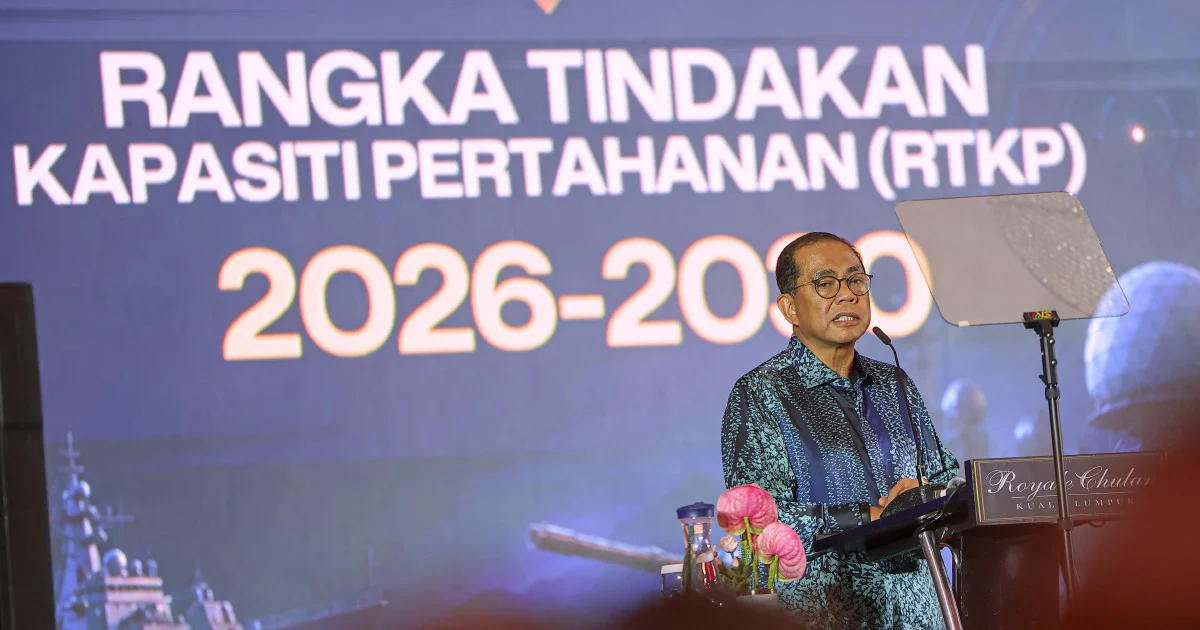
Malaysia's Defence Ministry has signalled its readiness to confront and ultimately resolve the diplomatic and procurement complications stemming from Norway's decision to terminate a missile supply contract that was integral to the nation's Littoral Combat Ship acquisition programme. Defence Minister Datuk Seri Mohamed Khaled Nordin made this commitment public, underscoring the government's determination to address the fallout from the Scandinavian country's withdrawal from the agreement, a development that has complicated Malaysia's naval modernisation efforts and raised questions about the integrity of major defence procurement arrangements.
The Norwegian withdrawal marks the latest chapter in a saga that has dogged the LCS programme since its inception, a platform conceptualised as central to strengthening Malaysia's maritime capabilities across the region. The missile component that Norway has now revoked was envisioned as a critical element in the combat effectiveness of the vessels, making the cancellation a substantive setback rather than a peripheral matter of administrative convenience. The specifics of why Norway chose to rescind its commitment remain significant, as they may influence how other international defence partners evaluate their obligations to Malaysia in similar contexts.
Malaysia's approach to this challenge reflects a broader pattern within Southeast Asia of nations grappling with the complexities of transnational defence procurement. Unlike straightforward commercial transactions, international weapons systems agreements often involve technology transfer, sovereignty considerations, and geopolitical alignments that extend well beyond simple contract law. The Norwegian decision inevitably raises questions about the assumptions underpinning Malaysia's defence planning, particularly when partnerships with developed nations encounter unforeseen obstacles or shifting political circumstances.
The LCS project itself has weathered considerable scrutiny and multiple delays since it was first conceived as an essential component of Malaysia's maritime strategy. With a fleet of vessels expected to operate across the Strait of Malacca and Malaysia's extended maritime zones, the platform was designed to address contemporary naval requirements including coastal surveillance, anti-piracy operations, and territorial defence. The integration of sophisticated missile systems represents a qualitative leap that distinguishes modern frigates and combat vessels from less capable maritime platforms, making this component essential to the project's strategic rationale.
Khaled's statement that the government stands ready to resolve the dispute suggests either ongoing diplomatic channels with Norwegian authorities or preparedness to pursue alternative sources for equivalent capability. Malaysia faces a strategic choice between negotiating a pathway for Norway to re-engage with its commitment, seeking alternative suppliers for comparable missile systems, or potentially redesigning the vessel configuration to accommodate different weapons platforms. Each approach carries distinct advantages and complications that will shape Malaysia's naval development trajectory over the coming years.
The international defence procurement landscape has undergone significant transformation in recent years, with suppliers increasingly scrutinising the stability and strategic alignment of purchaser nations. Norway, as a NATO member with stringent export control protocols, may have encountered internal policy constraints or allied pressure that prompted the contract revocation. Understanding these underlying pressures will be crucial to any negotiating strategy Malaysia pursues, as the country seeks to restore confidence in its defence partnerships while asserting its sovereign right to acquire necessary capabilities.
For Malaysia's shipbuilding sector and defence establishment, the cancelled missile deal underscores the vulnerability of international arrangements to external pressures and geopolitical considerations. Domestic industry stakeholders invested in the LCS programme's eventual success face renewed uncertainty about timelines and technical specifications. The broader implication extends to how defence partnerships are structured, suggesting a potential future tilt toward suppliers perceived as more reliable or toward developing greater indigenous capacity in critical defence technologies.
The LCS programme's financial investment—representing one of Malaysia's most significant recent defence acquisitions—makes the resolution of this issue not merely a technical matter but one with substantial budgetary and strategic implications. Any extended delay or requirement to source alternative systems carries potential cost overruns that affect the ministry's resource allocation and broader defence spending priorities across multiple service branches. These fiscal considerations inject additional urgency into resolving the dispute.
Regionally, the situation carries implications for Southeast Asia's maritime security architecture. As nations throughout the region seek to enhance naval capabilities amid shifting geopolitical dynamics, the reliability and enforceability of international defence supply agreements become increasingly important to defence planning decisions. Malaysia's experience with the Norwegian contract cancellation may influence how other Southeast Asian nations approach similar partnerships, potentially encouraging greater diversification of suppliers or emphasis on regional defence cooperation.
Malaysia's readiness to engage constructively on this matter reflects diplomatic maturity and pragmatism appropriate to a nation deeply embedded within regional security architecture and dependent on international partnerships for advanced capability acquisition. The government's public commitment to resolution suggests either confidence in diplomatic channels or determination to prevent this disagreement from escalating into a broader bilateral complication affecting Malaysia-Norway relations beyond the defence sector.
Looking forward, the resolution pathway adopted will offer valuable lessons for Malaysia's defence acquisition strategy. Whether through negotiated restoration of Norwegian commitment, identification of alternative suppliers, or technological adaptation, the outcome will shape how the Defence Ministry approaches future international partnerships and manages the delicate balance between strategic ambition and the political realities of weapons system supply arrangements.

