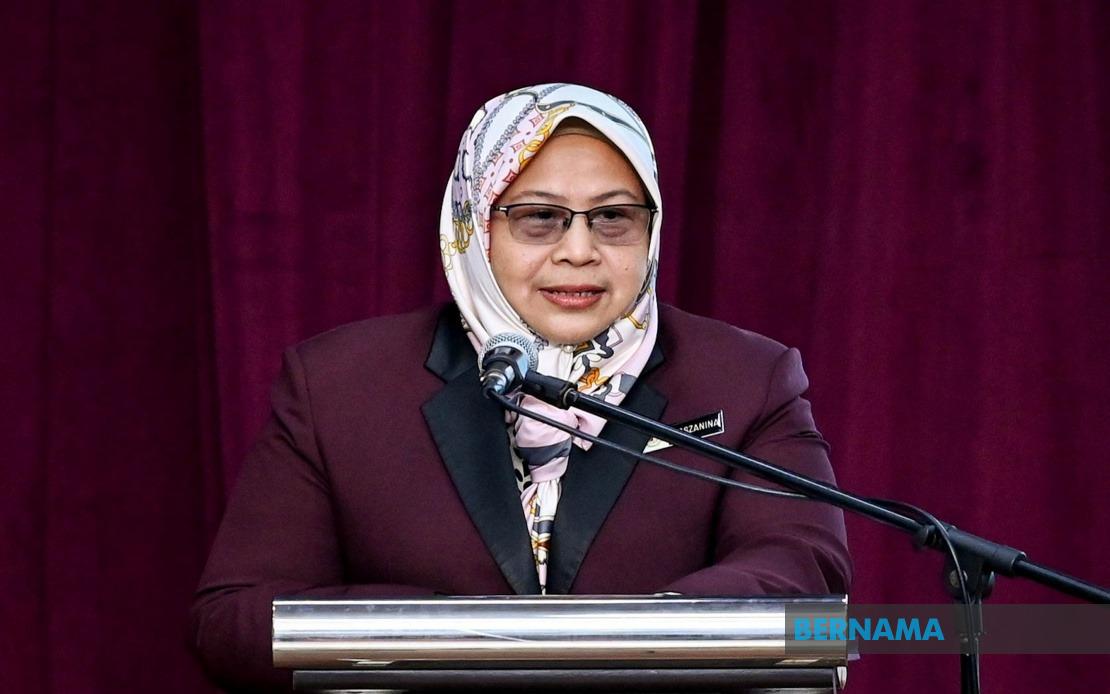
The Malaysian Defence Ministry has committed RM2 million to support 258 military personnel through the second cohort of the Work-Based Learning (WBL) 2.0 Diploma Programme, marking an expansion of an initiative launched last year. An additional RM6.5 million has been reserved to fund the third cohort anticipated to launch in the third quarter, demonstrating sustained institutional investment in the professional development of armed forces personnel across multiple service branches.
Datin Roszanina Wahab, deputy secretary-general of the Defence Ministry responsible for management operations, outlined the strategic framework underpinning this allocation. The initiative represents a deliberate effort to translate the military experience accumulated by service members into formally recognised academic qualifications. By aligning the practical expertise gained during active service with established university curricula, the programme creates a structured pathway for personnel to enhance their market value upon transitioning from military life into the broader civilian economy.
The foundational premise of the WBL approach distinguishes it from conventional diploma programmes. Rather than requiring military personnel to abandon their work experience and restart as conventional students, the methodology evaluates existing competencies and professional knowledge, then maps these attributes against university learning outcomes. This recognition of prior learning significantly reduces the time and financial burden typically associated with career transitions, while simultaneously validating the operational expertise developed through years of service.
The first cohort, implemented during the preceding year, encompassed 461 military personnel distributed between two institutions. Two hundred thirty participated at Universiti Pertahanan Nasional Malaysia (UPNM), while the remaining 231 enrolled at Universiti Teknologi MARA (UiTM). All participants completed their studies successfully and stand positioned to graduate during the current year, providing concrete evidence of programme viability and completion rates within the Malaysian military education context.
This initiative directly addresses strategic priorities articulated in the Defence White Paper, which emphasises improving the economic circumstances of military veterans and facilitating their integration into second careers. By systematically preparing departing service members with recognised qualifications before leaving the armed forces, the ministry reduces the employment adjustment period and enables smoother economic participation in civilian sectors. The programme particularly targets personnel of other ranks, traditionally experiencing steeper barriers to post-service employment compared to commissioned officers.
Lieutenant General Datuk Arman Rumaizi Ahmad, vice-chancellor of UPNM, announced the university's intention to establish itself as a regional reference institution for work-based learning academic programme development. The university has already created three WBL-based diploma qualifications covering Logistics Management, Business Administration, and Defence Technology Services, all scheduled for full implementation by early 2025. This positions UPNM as the first public Malaysian university to develop multiple programmes utilising the WBL methodology.
The expansion pipeline appears substantial, with UPNM planning to launch two additional specialised diplomas commencing in the following year. The Diploma in Defence and Security Operations and the Diploma in Defence Transportation Services will extend the range of career pathways available to military personnel, acknowledging the diverse professional backgrounds and aspirations within the armed forces. This differentiated approach allows participants to pursue qualifications aligned with their specific roles and career aspirations.
The credentials earned through the WBL pathway carry institutional credibility through Malaysian Qualifications Agency (MQA) recognition, a critical factor for civilian employment. Unlike informal certificates or internal military qualifications that lack external validation, MQA-endorsed diplomas function as portable credentials recognised across Malaysian organisations and sectors. This recognition architecture proves essential for personnel transitioning into industries unfamiliar with military rank structures and experience frameworks.
From a regional perspective, Malaysia's systematic approach to military personnel transition represents a sophisticated model. Many Southeast Asian nations struggle with effectively integrating departing military members into civilian economies, often resulting in unemployment, underemployment, or social adjustment difficulties. By embedding professional qualification acquisition within the final years of military service, Malaysia addresses this challenge proactively, generating economic benefits both for individuals and employers seeking experienced, trained personnel.
The financial commitment embedded in these allocations reflects broader recognition of human capital value within defence institutions. Investing RM2 million in 258 personnel across one cohort translates to approximately RM7,751 per participant, a modest sum relative to the lifetime earnings differential typically associated with diploma-level qualifications. The RM6.5 million reserve for future cohorts indicates sustained budgetary commitment, suggesting the Defence Ministry views personnel development as integral to long-term military capability and institutional health.
The integration of this programme within the National Defence Strategic Plan 2026-2030 underscores its alignment with broader military modernisation and capability development objectives. While immediate beneficiaries are individual service members, institutional outcomes include improved retention through enhanced career progression clarity, stronger alumni networks bridging civilian and military sectors, and demonstration of institutional investment in personnel welfare. These factors collectively strengthen military recruitment and retention dynamics in competitive labour markets.
The WBL methodology itself represents an innovative approach to credentialing within military contexts. Conventional military education often emphasises technical and tactical competencies specific to defence roles, creating a qualification portability challenge upon transition. By explicitly mapping military experience to civilian workplace requirements through university curricula, the programme bridges this transferability gap, ensuring that operational leadership, technical expertise, and organisational knowledge translate into universally understood professional qualifications.

