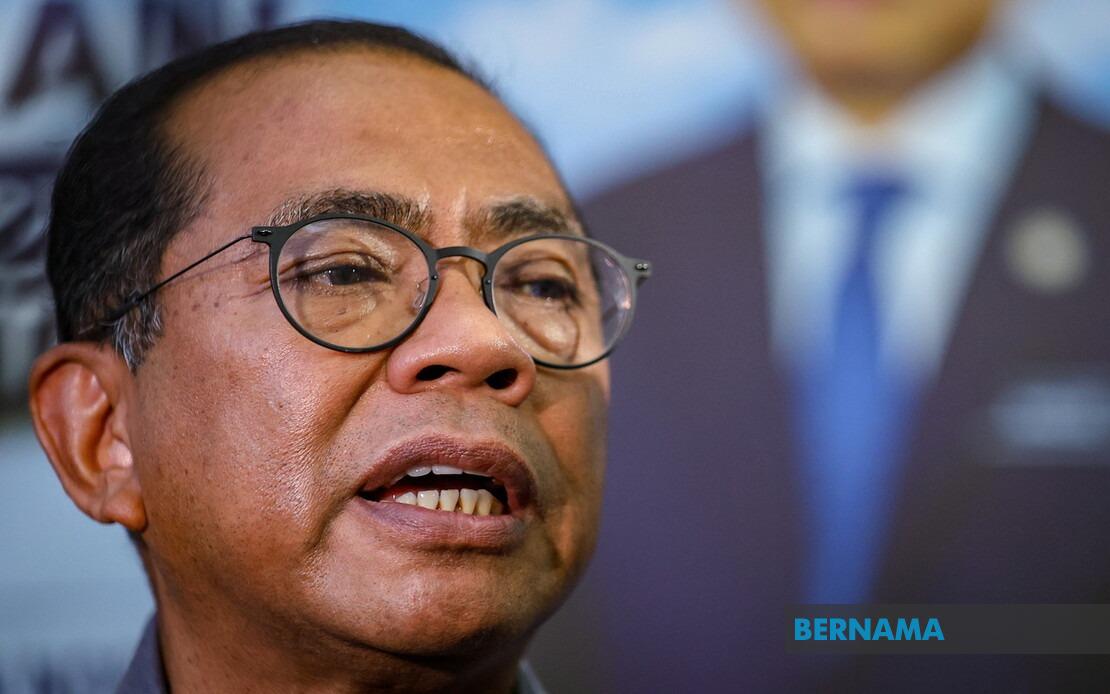
Defence Minister Datuk Seri Mohamed Khaled Nordin has commenced a two-day official visit to Vietnam as part of ongoing efforts to deepen the military partnership between Kuala Lumpur and Hanoi. Touching down at Noi Bai International Airport in the Vietnamese capital, the minister is pursuing what represents his inaugural official trip to the Southeast Asian nation since his appointment to the defence portfolio. The visit comes at a moment when both countries are actively working to build upon established frameworks for cooperation and explore new avenues for collaboration across defence matters.
The timing of Mohamed Khaled's trip underscores Malaysia's strategic commitment to fortifying ties with Vietnam, a neighbour that shares both maritime boundaries and geopolitical interests across the region. His engagement with Vietnamese counterparts, scheduled to include meetings with Prime Minister Le Minh Hung and Deputy Prime Minister and Minister of National Defence General Phan Van Giang, reflects the significance Kuala Lumpur attaches to this bilateral relationship. These high-level interactions are designed to signal political will at the ministerial level and to chart a course for intensified defence dialogue in the months ahead.
The foundation for this strengthened cooperation was formally reinforced when both nations renewed their Memorandum of Understanding on defence cooperation in December 2023. That agreement represented a deliberate statement from Malaysia and Vietnam about their shared interest in maintaining the partnership despite the complex regional security environment. The MOU serves as a blueprint for operational coordination, technical exchanges, personnel training, and other practical measures that transform diplomatic goodwill into tangible military collaboration. By renewing the agreement, both governments signalled their intention to move beyond ceremonial gestures toward substantive engagement.
Malaysia and Vietnam's defence relationship carries particular resonance in Southeast Asia, where strategic competition and cooperation coexist in delicate balance. Both nations are navigating challenging maritime environments, managing territorial interests, and seeking to maintain stability amid great power competition. A strengthened Malaysia-Vietnam defence partnership can contribute meaningfully to regional equilibrium, offering smaller Southeast Asian states a framework for coordinating security interests while maintaining their strategic autonomy. For Malaysia specifically, deepening ties with Vietnam allows for knowledge-sharing on maritime security challenges, naval operations, and regional peacekeeping initiatives.
The stated objective of Mohamed Khaled's visit extends beyond mere relationship maintenance. Rather, he has expressed his desire to elevate the bilateral defence relationship to higher levels of engagement and to identify fresh opportunities for cooperation. This ambitious framing suggests that Malaysia is not content with the status quo but seeks to expand the scope and depth of defence interactions. Such ambition could encompass expanded joint exercises, enhanced intelligence-sharing protocols, collaborative defence procurement initiatives, or intensified training partnerships between Malaysian and Vietnamese military personnel.
From a broader Southeast Asian perspective, Malaysia's proactive engagement with Vietnam carries implications for regional stability and the evolving architecture of defence cooperation within ASEAN. As the bloc seeks to maintain its centrality and relevance in regional security matters, bilateral partnerships like that between Malaysia and Vietnam contribute to the overall strength of ASEAN's collective posture. These relationships also help maintain channels of communication and cooperation even as member states pursue their individual strategic interests, preventing the kind of fragmentation that could undermine regional cohesion.
The defence ministerial interaction also addresses practical security challenges that both nations face. Maritime disputes, counter-terrorism operations, and the protection of sea lanes remain pressing concerns for both Malaysia and Vietnam. Through defence cooperation mechanisms, the two countries can develop joint capabilities to respond to transnational threats, improve interoperability between their military forces, and establish protocols for coordination during regional crises. Training exchanges and joint exercises serve as confidence-building measures that reduce the likelihood of miscalculation while strengthening operational preparedness.
For Malaysian defence planners, Vietnam represents an important strategic partner in the context of maintaining balance among Southeast Asian nations and demonstrating that Malaysia maintains diverse defence partnerships rather than relying too heavily on any single ally. This diversification of defence ties reflects Malaysia's broader foreign policy doctrine of strategic hedging, whereby the country cultivates relationships across the geopolitical spectrum to maximize its room for manoeuvre. By investing in the Vietnam relationship, Malaysia signals to other regional and global actors that it is an active participant in regional security architecture rather than a passive observer.
The visit also carries domestic political significance for Mohamed Khaled, representing an early opportunity to establish his credentials as Defence Minister through active engagement with a significant regional partner. First overseas visits in a new portfolio often serve as platform-setting exercises, allowing ministers to demonstrate their command of defence issues and their capacity to conduct high-level diplomatic negotiations. A successful Vietnam visit, featuring substantive discussions and concrete outcomes, would strengthen the minister's standing within both the Malaysian defence establishment and regional security circles.
As Malaysian and Vietnamese defence officials meet over the coming days, they will likely discuss specific initiatives ranging from military training collaboration to joint maritime patrols and information-sharing arrangements. These practical measures transform abstract bilateral relationships into functioning security partnerships that deliver measurable benefits to both nations. The expectation that such cooperation will contribute to regional peace and stability reflects the understanding that bilateral defence engagement among smaller Southeast Asian nations, when conducted responsibly, strengthens the overall security architecture of the region.
Looking forward, the outcomes of Mohamed Khaled's Vietnam visit may establish momentum for deeper defence ties during the remainder of Malaysia's tenure in the defence portfolio. Whether the visit yields new defence initiatives, expanded training programmes, or enhanced military coordination mechanisms, it represents a clear statement about Malaysia's commitment to active, forward-leaning defence diplomacy within Southeast Asia. For Vietnam, reciprocal engagement with Malaysia reinforces Hanoi's own strategy of maintaining diverse security partnerships and strengthening its position within ASEAN's security architecture.

