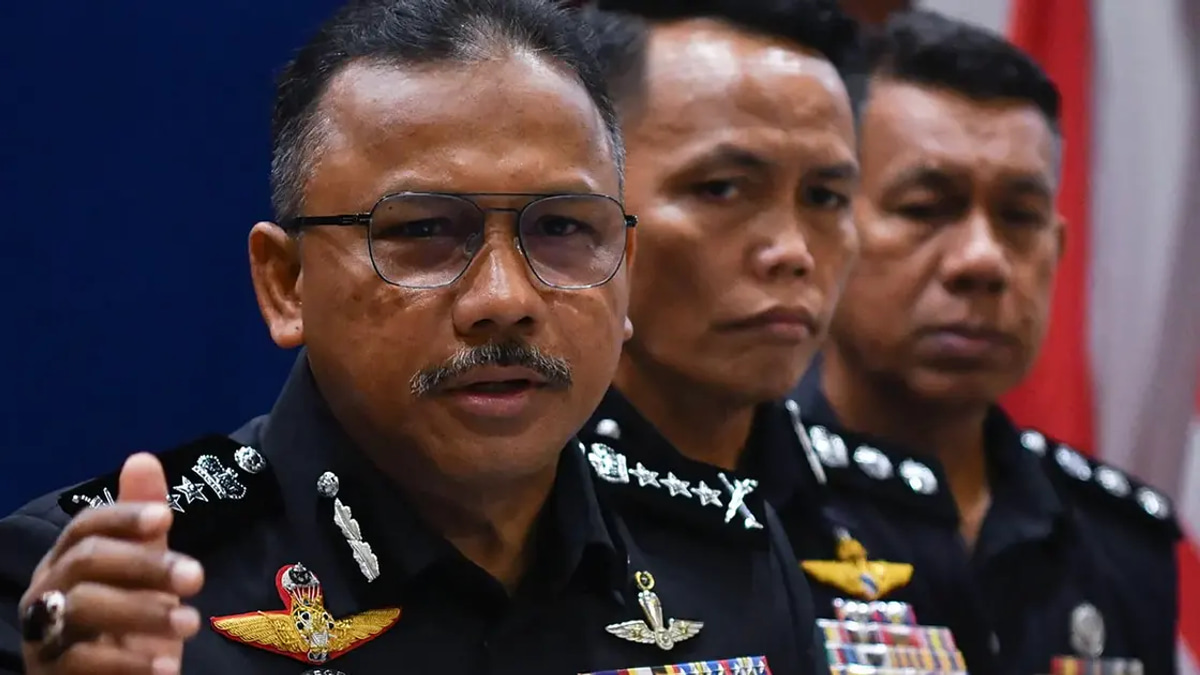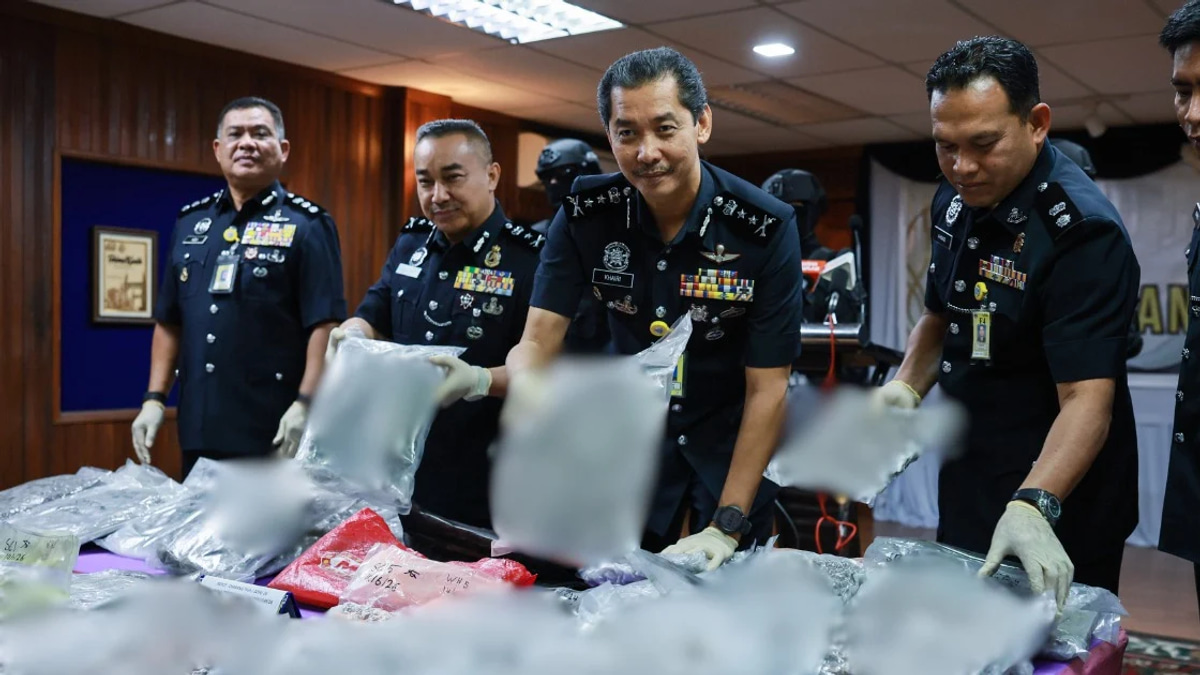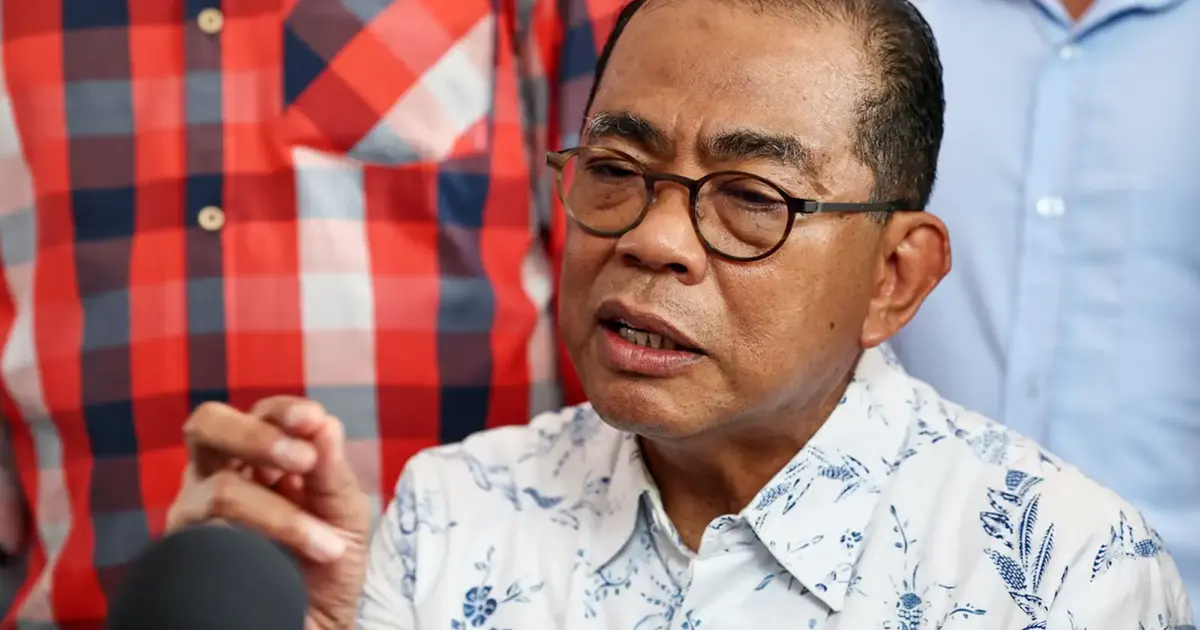
Malaysia's Defence Minister Khaled has called for an urgent acceleration of investigations into fatalities that occurred during grenade training exercises, signalling heightened concern within the defence establishment over the circumstances surrounding the incident. The minister's public push for expedition of the probe reflects the sensitivity surrounding military safety protocols and the need for transparency in handling casualties involving armed forces personnel.
In response to the incident, the army has enacted a comprehensive suspension of all training exercises involving grenades across its operational units until the official investigation reaches its conclusion. This preventative measure represents a significant operational constraint, as grenade training constitutes a fundamental component of infantry preparation and combat readiness curricula for military personnel at multiple proficiency levels.
The decision to halt such training nationally underscores the military's acknowledgment that systematic safety concerns may require thorough examination before resuming these exercises. Grenade training typically encompasses both theoretical instruction and practical deployment simulations, making it essential for soldiers preparing for frontline operations or specialised roles. The suspension affects not only active combat units but also training establishments and military academies across the country.
For Malaysian readers, this development carries implications regarding military operational capacity and the broader question of occupational safety within the armed forces. Southeast Asian defence establishments maintain high training standards to support regional security commitments and peacekeeping operations, making any disruption to core training regimens a matter of strategic concern. Malaysia's military contributions to regional stability and international missions depend partly on the readiness levels maintained through comprehensive training programmes.
The investigation into these training deaths will likely examine multiple factors including equipment maintenance standards, instructor qualifications, adherence to safety protocols, emergency response procedures, and whether participants received adequate preparation before handling live or training grenades. Regulators and military leadership will scrutinise whether existing regulations were properly implemented and whether safety briefings met required standards.
Transparency in such investigations carries weight beyond the immediate military context. Public confidence in military institutions depends on demonstrated commitment to accountability and learning from operational incidents. Malaysia's defence sector has increasingly recognised that institutional credibility requires thorough, impartial examination of adverse events rather than rapid closure of inquiries.
The suspension also reflects international best practices in military training safety. Armed forces globally have implemented increasingly rigorous safety protocols for explosive ordnance training, drawing on decades of experience across multiple nations. Malaysia's decision aligns with contemporary standards that prioritise comprehensive investigation over rapid resumption of operations, particularly when fatalities are involved.
For military personnel and their families, the expedited investigation represents an opportunity for independent examination of circumstances and determination of responsibility. Transparency in such processes also facilitates identification of systemic improvements that could prevent similar incidents. This approach contrasts sharply with historical military investigations that sometimes remained opaque or concluded hastily.
The financial and operational implications of the training suspension extend beyond the military itself. Defence contractors, training facility operators, and personnel development programmes face disruptions as grenade training components are temporarily removed from curricula. However, safety considerations necessarily take precedence over operational convenience in professional military organisations.
From a regional perspective, any weakening of military readiness raises questions about Malaysia's capacity to maintain its defence posture amid evolving security challenges in Southeast Asia. The suspension is necessarily temporary, contingent on investigation completion and implementation of any recommended safety modifications. Most analysts expect training to resume once authorities certify that enhanced safeguards are in place.
Defence Minister Khaled's public call for investigation expedition suggests recognition that prolonged uncertainty serves neither military effectiveness nor public confidence. Swift completion of the probe, coupled with transparent communication of findings and corrective measures, would support both operational resumption and institutional accountability. The minister's intervention indicates political awareness that defence sector credibility depends on visibly prioritising personnel safety without compromising investigation rigor.
The coming weeks will prove critical in determining whether the investigation meets expectations for thoroughness and timeliness. Malaysian military leadership faces the challenge of balancing urgency with comprehensive fact-finding, particularly given public and political attention to the matter. Resolution that satisfies both operational and accountability imperatives would establish important precedent for how Malaysia's defence establishment handles similar incidents prospectively.
%22%2F%3E%3C%2Fpattern%3E%3C%2Fdefs%3E%3Crect%20width%3D%22100%25%22%20height%3D%22100%25%22%20fill%3D%22url(%23ph1w57lg)%22%2F%3E%3Crect%20width%3D%22100%25%22%20height%3D%22100%25%22%20fill%3D%22url(%23ph1w57lp)%22%2F%3E%3Ctext%20x%3D%2250%25%22%20y%3D%2250%25%22%20text-anchor%3D%22middle%22%20dominant-baseline%3D%22central%22%20fill%3D%22rgba(255%2C255%2C255%2C0.95)%22%20font-family%3D%22Georgia%2C%20'Times%20New%20Roman'%2C%20serif%22%20font-weight%3D%22700%22%20font-size%3D%22136%22%20letter-spacing%3D%22-0.02em%22%3ETerengganu%3C%2Ftext%3E%3C%2Fsvg%3E)