Kuala Lumpur City Hall (DBKL) has unveiled a three-pronged regulatory overhaul aimed at reducing red tape and lowering operational costs for the capital's traders. The initiative reflects a broader push to make the city more conducive to commercial activity by trimming bureaucratic procedures and standardising how the municipal authority interfaces with the business community. The improvements come following consultations with industry representatives and senior government officials, signalling an attempt to address long-standing grievances about inconsistent enforcement and excessive compliance burdens.
The centrepiece of DBKL's reform package sets a uniform monthly fee of RM30 per set for permits authorising the placement of tables and chairs on five-foot ways, the narrow pedestrian corridors that line many Kuala Lumpur streets. Previously, such arrangements operated under unclear or varied pricing structures, creating uncertainty for food vendors and cafe operators who depend on outdoor seating to maximise revenue. By establishing a fixed, transparent tariff, DBKL intends to eliminate ambiguity and provide traders with predictable costs when budgeting for operations. Applications for these permits will be processed through DBKL's branch offices organised by parliamentary constituency, with decisions based on factors such as location suitability and adequate pavement width.
Crucially, approval remains conditional on ensuring that pedestrian pathways, wheelchair accessibility and emergency vehicle routes are not compromised. This safeguard reflects DBKL's acknowledgment that commercial convenience must be balanced against public safety and accessibility for all users of urban spaces. The requirement effectively creates a checklist that both applicants and inspectors can reference, reducing scope for arbitrary decision-making and establishing clear expectations upfront.
The second pillar of the reform addresses minor construction and fitment works that do not alter a building's structural integrity, such as tile replacement or ceiling refurbishment. Rather than requiring formal permit applications processed through lengthy channels, traders now need only complete a notification form submitted to their respective DBKL branch office. This streamlined approach acknowledges that low-risk modifications should not demand the same administrative overhead as substantial structural projects. By enabling direct issuance of permits at the branch level, DBKL has effectively compressed the timeline for approval without diluting safety or compliance standards, a outcome particularly beneficial for small business owners with limited administrative capacity.
The third measure permits premises that have been shuttered due to hygiene violations to seek reopening as soon as 24 hours after remedial cleaning is completed. This represents a significant departure from previous practice, where closure periods were often prolonged and timelines for reinspection remained unclear. For food business operators and restaurant owners, extended downtime translates directly into revenue loss and potential staff attrition. However, DBKL has been explicit that reopening is not automatic; rather, it requires inspection confirmation that all food safety and hygiene standards have been met. This conditionality is essential, as it preserves DBKL's capacity to enforce public health protections while signalling to premises operators that compliance can expedite their return to business.
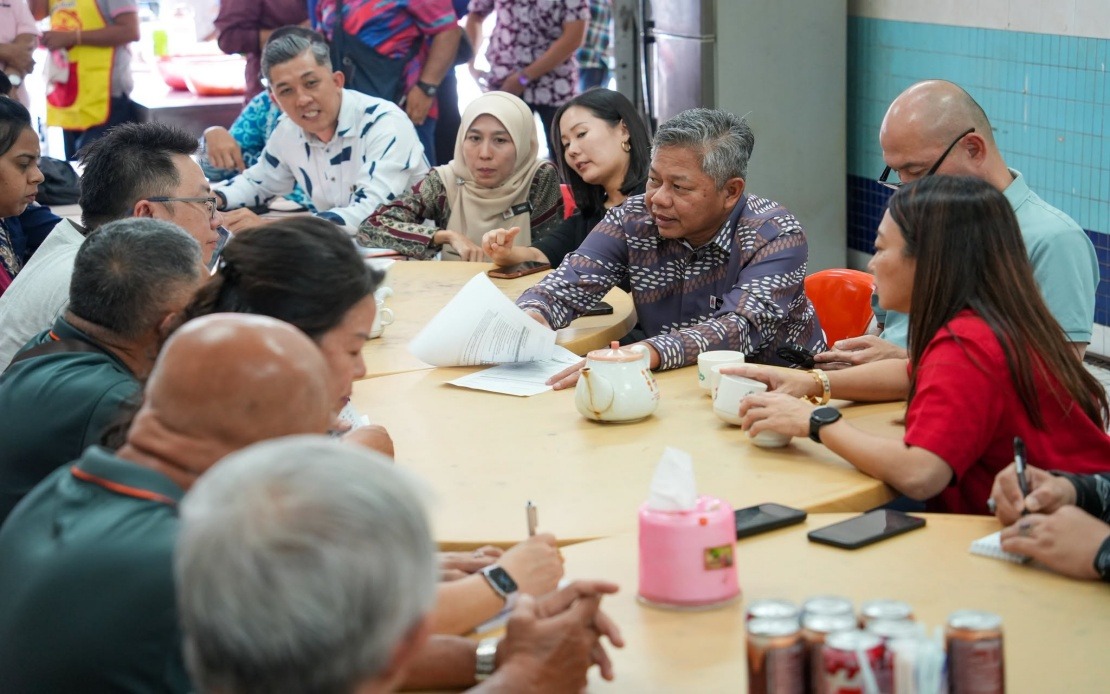
The reforms emerged from engagement sessions convened by Hannah Yeoh, Minister in the Prime Minister's Department (Federal Territories), alongside Kuala Lumpur mayor Datuk Seri Fadlun Mak Ujud and representatives from industry associations including the Selangor and Kuala Lumpur Chinese Coffee Shop and Tea Shops Owners' Association. An earlier consultation with the Malaysian Muslim Restaurant Owners' Association (PRESMA) in April had also flagged concerns about reopening procedures and other operational obstacles. These consultations underscore the administration's intent to ground policy reforms in actual grievances rather than imposing top-down changes, a approach that may enhance buy-in and practical effectiveness.
DBKL has emphasised that these improvements apply uniformly to all traders meeting stipulated requirements, irrespective of business background or premise type. This universality is significant in a multicultural city where discretionary enforcement could breed perceptions of bias or inconsistent treatment. By anchoring decisions to transparent, published criteria, DBKL reduces opportunities for selective application or favouritism, a concern that had previously complicated trader confidence in municipal oversight.
The underlying rationale centres on reducing unnecessary procedural complexity and standardising processes across DBKL branch offices. Previously, interpretation of requirements and enforcement practices could vary between branches, creating confusion for traders navigating multiple jurisdictions or even the same branch over time. Clear, standardised procedures provide certainty to business operators and give DBKL officers definitive guidance, thereby diminishing scope for inconsistent application and enhancing overall service delivery. This organisational discipline is particularly important in a metropolitan context where thousands of small traders depend on predictable regulatory environments.
For the broader Malaysian business landscape, these reforms carry implications beyond Kuala Lumpur's boundaries. As the nation's capital and largest city, regulatory changes here often influence municipal authorities elsewhere seeking to benchmark best practice. The emphasis on reducing compliance costs and processing times aligns with government-wide objectives to improve the ease of doing business and maintain competitiveness in attracting both domestic and foreign investment. However, the success of these measures will ultimately hinge on consistent implementation across DBKL branch offices and frontline officer training to ensure that the intent behind streamlined procedures is faithfully executed.
The reforms also reflect a pragmatic recognition that the informal and semi-formal commercial sectors—street food vendors, small cafes, and independent retailers—constitute the backbone of Kuala Lumpur's economy and employment. These traders frequently operate on thin margins and cannot absorb costly compliance burdens or protracted permit processing times. By reducing permit costs and accelerating approvals, DBKL is implicitly acknowledging that enabling legitimate business activity, rather than imposing restrictive regulation, serves both economic and social objectives. This recalibration suggests a shift in municipal philosophy away from viewing traders primarily as subjects of enforcement toward viewing them as stakeholders in the city's prosperity.
Looking ahead, the effectiveness of these measures will be monitored by industry associations and traders themselves. Should implementation proceed smoothly and traders experience genuine relief from bureaucratic friction, the initiative may catalyse further municipal reforms targeting other operational pain points. Conversely, if procedural changes remain inconsistently applied or if hidden costs or delays persist, trader confidence may erode. The onus therefore rests on DBKL to operationalise these reforms with genuine commitment, adequately train branch staff, and remain responsive to feedback from the business community. In this sense, the three improvements represent not an endpoint but the opening chapter in what must be an ongoing dialogue between municipal authority and urban commerce.

