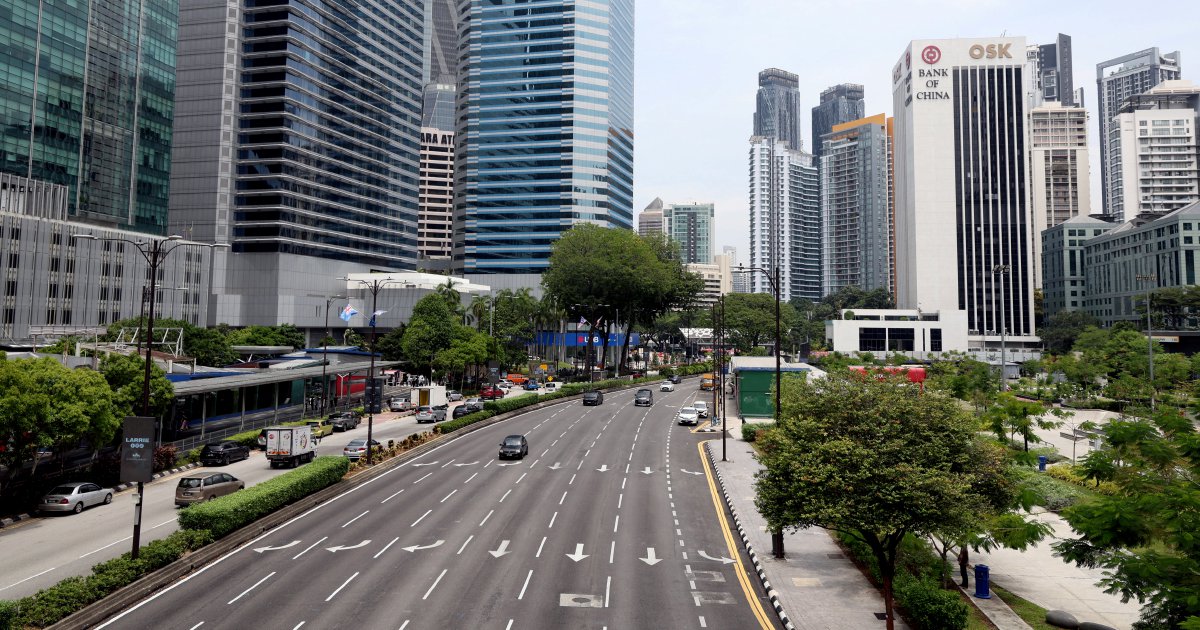
Kuala Lumpur City Hall has moved swiftly to establish a technical investigation into a fatal tree incident and commenced wide-ranging inspections of mature trees along the city's principal roads. The incident has prompted the local authority to intensify its focus on urban forestry management and public safety, reflecting growing concerns about tree-related accidents across Malaysia's capital city.
The technical probe being conducted by DBKL aims to determine the underlying causes of the tree collapse and identify any systemic failures in the city's tree management protocols. Investigators are examining factors including the age and structural integrity of trees, maintenance schedules, soil conditions, and environmental stressors that may have contributed to the incident. This methodical approach suggests recognition that urban tree safety requires a multifaceted understanding of horticultural and environmental variables.
The inspection programme now underway focuses specifically on mature trees positioned along major roads traversed by significant volumes of pedestrian and vehicular traffic daily. These arterial routes carry commuters, delivery vehicles, and public transport throughout the metropolitan area, making tree safety on these corridors a matter of particular public health importance. The selection of major thoroughfares for priority inspection reflects an evidence-based risk assessment strategy, concentrating resources where potential incidents could affect the greatest number of people.
Mature trees in urban environments face a range of challenges that younger specimens typically do not encounter. Extended exposure to vehicular pollution, soil compaction from surrounding development, water stress during dry seasons, and accumulated structural damage from previous weather events all contribute to declining tree health in cities. DBKL's inspection programme will need to assess these cumulative effects and determine which trees require remedial intervention, whether through management, pruning, or removal.
The incident has surfaced longstanding questions about municipal tree management capacity across Southeast Asian cities. Kuala Lumpur's rapid urbanisation over decades has created extensive canopy coverage that, while aesthetically valued and environmentally beneficial, requires sustained professional oversight. The manpower requirements for adequate inspection and maintenance of thousands of mature trees across the city represent a significant operational challenge for local authorities managing multiple competing urban responsibilities.
Malaysian property owners and residents have become increasingly conscious of tree-related liability following several high-profile incidents in recent years. The outcome of DBKL's investigation will likely establish important precedents for how the city determines responsibility for tree maintenance, particularly where mature specimens line public roads but may be positioned on private land. These questions carry insurance and legal implications extending beyond simple public safety concerns.
The inspection process will necessitate considerable coordination between DBKL's parks and green spaces divisions, traffic management teams, and potentially external arboricultural consultants with expertise in tree health assessment. Quick visual inspections may identify obviously hazardous trees, but thorough evaluation of structural integrity often requires specialised equipment and training. The technical investigation may reveal whether current inspection protocols have been adequate or whether they require fundamental overhaul.
Seasonal weather patterns add urgency to this initiative. During monsoon periods, heavy rains and strong winds increase the mechanical stress on weakened trees, elevating incident risk precisely when inspection and corrective action become most critical. An efficient inspection schedule that identifies vulnerable specimens before peak weather seasons could prevent additional tragedies and reduce the reactive crisis management that often follows tree-related accidents.
For Malaysian residents, particularly those living in or frequently visiting Kuala Lumpur, this incident serves as a reminder of environmental risks in densely urbanised areas. While trees provide crucial shade, air quality improvements, and psychological benefits that residents value, they also demand responsible stewardship. Public confidence in municipal governance partly depends on citizens' perception that authorities actively manage preventable hazards affecting daily life.
The financial implications of a comprehensive tree inspection and remediation programme may concern city planners already managing tight budgets. However, the costs of investigation, maintenance, and selective removal of hazardous specimens likely represent sound public expenditure compared to potential injury compensation claims and reputational damage from preventable incidents. This economic calculus often determines the priority given to such preventive programmes.
Longer-term solutions may require DBKL to develop a systematic inventory of urban trees complete with health assessments, maintenance schedules, and risk profiles. Such databases, increasingly common in international best-practice urban forestry, enable targeted resource allocation and early intervention before trees reach critical failure points. Implementing such systems demands initial investment but promises improved efficiency and safety outcomes over subsequent decades.
Regional peers in Southeast Asia will likely monitor DBKL's response with interest, as cities throughout the region grapple with similar urban forestry challenges. The approach adopted in Kuala Lumpur may establish a model—or cautionary example—influencing how other Malaysian municipalities and neighbouring countries address tree safety in their growing urban environments.

