The Kuala Lumpur City Hall (DBKL) has embarked on an official land acquisition procedure to settle a dispute involving a public thoroughfare in the Taman Datuk Senu neighbourhood of Sentul that has been obstructed and blocked due to its location on private property. The matter gained prominence after residents shared their grievances across social media platforms, highlighting the disruption caused to their everyday mobility when access to what had long functioned as a main transit route was suddenly restricted. The situation represents a growing tension in urban areas where the boundaries between public and private land rights have become blurred by years of informal public use.
Kuala Lumpur Mayor Datuk Seri Fadlun Mak Ujud explained that an internal examination revealed the municipality had never formally acquired the land despite the road being utilised by residents for an extended period. The discovery underscores a significant administrative gap—the thoroughfare in question had developed as a de facto public pathway without the legal framework necessary to protect its status. This oversight has left both residents and authorities vulnerable, as the private landowner retained full legal entitlement to prevent or restrict access to the property. Fadlun indicated that substantive negotiations and dialogue among stakeholders have been happening since February, suggesting the problem has taken months to escalate into a formal resolution pathway.
The resolution process requires intervention beyond the capacity of the municipal authority acting independently. DBKL has submitted an application to the Department of the Director General of Lands and Mines (JKPTG), the federal agency responsible for land matters, for formal handling of the acquisition. This escalation reflects the constitutional architecture governing urban land in the Federal Territories, where decisions of this magnitude require centralised governmental approval rather than local municipal action. The involvement of the JKPTG signals the administrative seriousness with which authorities are treating the matter, though it also introduces bureaucratic complexity that could extend timelines.
The acquisition process follows a defined sequence that includes obtaining formal governmental endorsement, followed by gazettement procedures and ultimately compensation payment to the property owner. Each step involves specific legal and administrative requirements that must be met sequentially. Gazettement—the official publication of the acquisition in the government gazette—is particularly significant as it provides public notice and an opportunity period for objections to be lodged. The structure, while comprehensive, is time-intensive and requires coordination among multiple government departments and agencies, each operating according to statutory timelines.
According to Fadlun, the expected duration for complete resolution spans three to four months, conditional upon smooth progression through the JKPTG procedures and absence of contested valuations from the Valuation Department. This timeframe assumes no substantive objections emerge and that the compensation quantum determined by government valuers is accepted by the private landowner. However, acquisition disputes frequently encounter complications—disputed valuations, disagreements over property boundaries, or procedural challenges can substantially elongate the process. The mayor's cautious optimism reflects awareness that acquisition procedures, despite established legal frameworks, often face unforeseen impediments.
Fadlun made a direct appeal to the private landowner, requesting patience while the legal machinery operates and encouraging cooperation to enable expedited completion. His remarks acknowledge an implicit tension: the landowner possesses legitimate property rights, yet public interest in maintaining an established access route conflicts with those rights. By framing the closure as temporary and emphasising the lengthy historical public usage, Fadlun attempted to convince the property owner that yielding to acquisition serves the broader community while providing fair compensation. This diplomatic approach reflects recognition that landowner cooperation, though not legally required, substantially facilitates faster resolution.
The incident gains relevance within Malaysia's broader urban governance landscape, where informal development and unregulated public use of private land have created numerous disputes in established neighbourhoods. Taman Datuk Senu, situated in the older Sentul area of Kuala Lumpur, likely developed during a period when documentation and formal procedures were less stringent, allowing public pathways to establish themselves through decades of habitual use. Similar situations exist across Malaysian cities, where residents rely on routes that lack formal legal designation. This case may establish precedent for how municipalities address such conflicts when they surface and gain public attention.
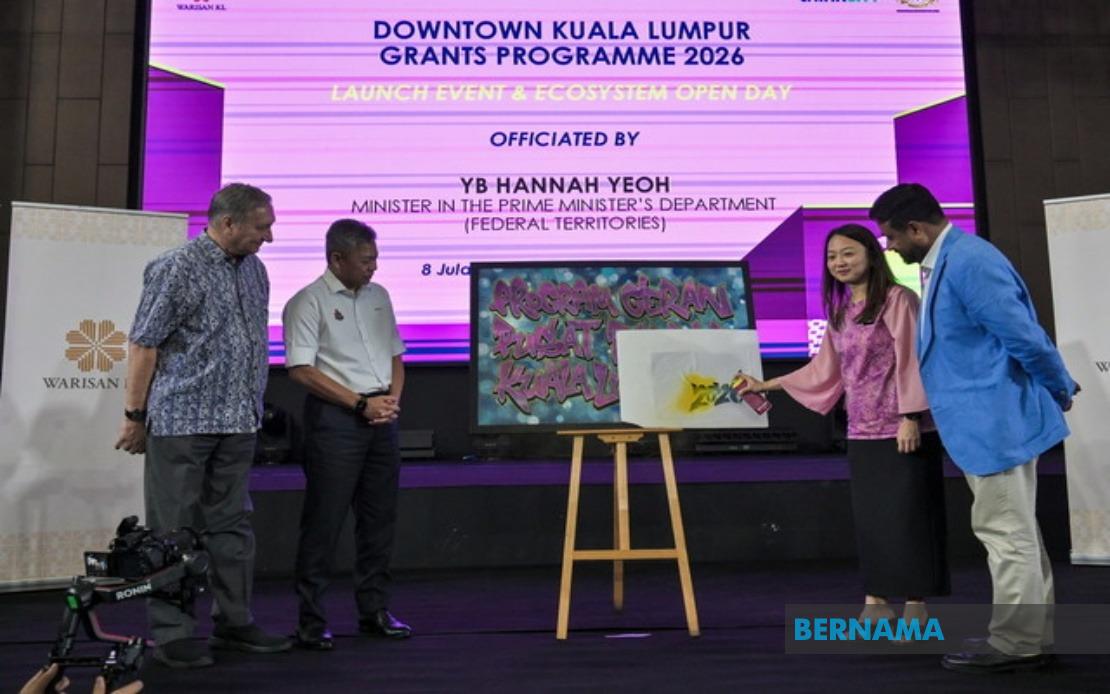
Minister in the Prime Minister's Department (Federal Territories) Hannah Yeoh's presence at the event signified federal-level engagement with the issue, underlining its significance beyond routine municipal matters. The attendance by a minister responsible for Federal Territories policy suggests the government recognises both the practical impact on residents and the broader implications for land governance structures in Kuala Lumpur. Ministerial involvement can accelerate decision-making at agency level and ensure coordination among departments, potentially hastening the JKPTG's processing of the application.
The case illustrates recurring challenges in urban management where historical informal arrangements eventually collide with formal property rights. As cities grow denser and development accelerates, clarity regarding public and private land boundaries becomes increasingly critical. The DBKL's initiative to formalise the acquisition represents an attempt to restore administrative order and protect public interests, though it arrives only after social media pressure forced the issue into public prominence. For residents navigating cities across Southeast Asia where similar informal arrangements exist, the outcome of this acquisition will offer insights into government responsiveness to community concerns and the practical mechanisms available for resolving such disputes.

