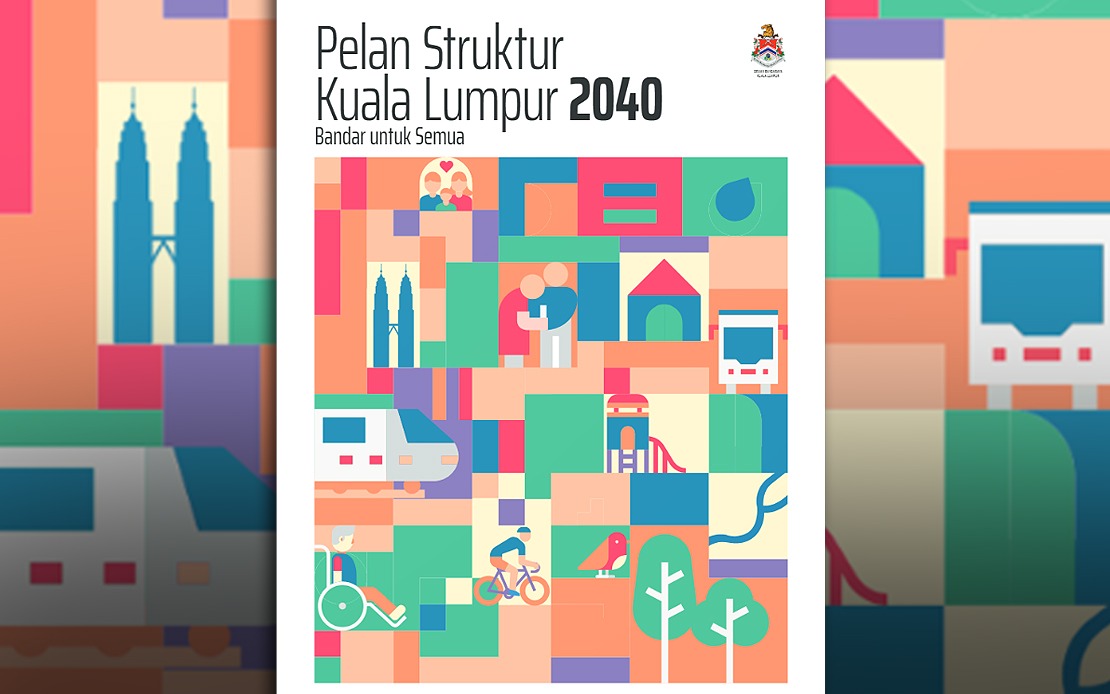
Kuala Lumpur City Hall (DBKL) has pushed back the application deadline for proposed amendments to the Kuala Lumpur Local Plan 2040 (PTKL2040) to 5 pm on August 7, providing stakeholders with an extended window to submit their requests. The decision to extend the timeline represents an administrative accommodation aimed at ensuring applicants can assemble the necessary documentation and justification materials required by the planning authority.
The extension stems from recognition that preparing a comprehensive amendment application demands substantial effort from registered landowners, developers and other invested parties. By granting additional time, DBKL aims to facilitate a more thorough submission process wherein applicants can properly document their proposals rather than rush to meet an earlier deadline. This approach prioritizes the quality and completeness of applications over speed, potentially streamlining the subsequent review and approval processes.
Prospective applicants must accompany their Letters of Intent with several key supporting documents. These include detailed justifications explaining why the proposed amendments are necessary, a clear and precise location or site plan depicting the affected area, and current land title documentation confirming ownership or relevant interest in the property. The requirement for comprehensive documentation reflects DBKL's commitment to evaluating amendment requests against established planning criteria and existing regulations.
The amendment application process operates under the authority of Section 17 of the Federal Territory (Planning) Act 1982 (Act 267), the legislative framework governing planning matters within Kuala Lumpur. This statutory basis ensures that all proposed amendments align with national planning law and regulatory oversight. The provision allows legitimate parties to seek modifications to PTKL2040's provisions when justified circumstances warrant such changes, creating an avenue for the plan's evolution and adaptation to changing urban development conditions.
Applicants have multiple submission options to choose from when lodging their applications. They may visit the City Planning Department (JPRB) office located on Level 9 of Menara DBKL 1 along Jalan Raja Laut to submit materials in person, or they can transmit applications electronically via designated email channels. This dual-submission approach accommodates different preferences and logistical circumstances among the varied applicant base, from large developers to individual property owners.
Depending on the scope and complexity of proposed amendments, some applicants will be required to prepare a comprehensive Local Plan Amendment Proposal Report (LCPPT). When DBKL identifies that an application necessitates such a report, it will inform the applicant accordingly and mandate the engagement of a Registered Town Planner. This professional requirement ensures technical competency and compliance with planning standards when more substantial amendments are proposed, particularly those affecting significant land areas or substantial changes to zoning or permitted uses.
To support applicants through this process, DBKL has made planning resources publicly available on the Kuala Lumpur Development Plan website. Both an Application Checklist and the comprehensive Kuala Lumpur LCPPT Manual can be downloaded, allowing potential submitters to understand requirements and procedures before beginning their application preparation. These reference materials serve as guidance documents clarifying what DBKL expects from applicants and the proper structure for presenting amendment proposals.
The extension period presents a practical opportunity for the diverse applicant community to resolve documentation gaps and strengthen their amendment proposals. DBKL has explicitly encouraged stakeholders to utilize this additional time meaningfully, ensuring applications arrive complete, well-organized and professionally presented. Such encouragement reflects institutional interest in receiving high-quality submissions that facilitate efficient evaluation and decision-making within the planning department.
For Malaysian property stakeholders and developers with interests in Kuala Lumpur's evolving urban landscape, this extended timeline offers breathing room to assess whether existing PTKL2040 provisions align with their development aspirations or investment strategies. The amendment mechanism itself demonstrates that planning frameworks, while establishing the baseline for urban development, retain flexibility to accommodate genuine circumstances where modifications serve legitimate urban planning objectives or respond to changed conditions. The August 7 deadline therefore represents a practical opportunity for the capital's development community to shape the planning parameters governing their activities within the Federal Territory.

