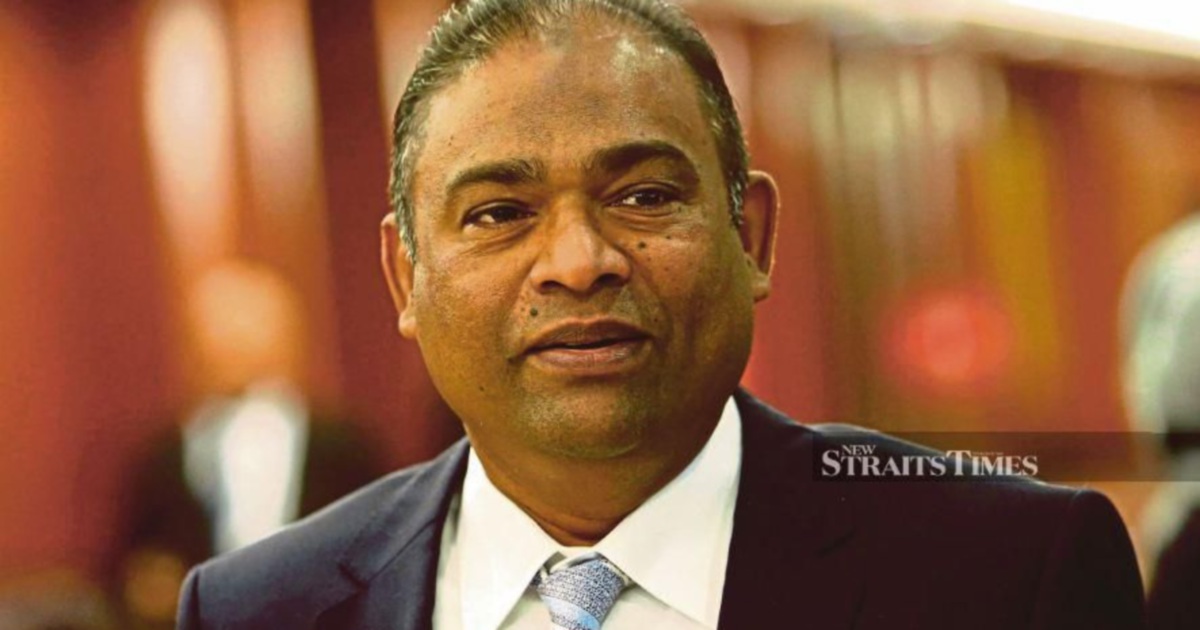
The family of former Tabung Haji chairman Datuk Seri Abdul Azeez Abdul Rahim moved to correct the public record on Wednesday, with his son Mohamed Khairul Azman issuing a statement that clearly refuted suggestions that his father had been taken into custody by the Malaysian Anti-Corruption Commission. The clarification emerged amid a flurry of speculation about the former leader's whereabouts and legal status, underscoring the importance of official confirmation from those closest to the situation.
Mohamed Khairul Azman's public intervention represents a deliberate attempt to halt the spread of misinformation and restore clarity around his father's circumstances. In Malaysia's fast-moving news environment, where rumours can proliferate rapidly across social media and messaging platforms, such categorical denials from family members serve an essential function in establishing what has actually occurred versus what remains conjecture or misreporting. The statement carries particular weight given the senior position Abdul Azeez previously occupied and the scrutiny that naturally accompanies figures who have held high-ranking administrative roles.
Tabung Haji, formally known as the Lembaga Urusan dan Tabung Haji, occupies a significant place in Malaysia's institutional landscape as the pilgrim fund that manages savings and services for Muslims preparing for or returning from the Hajj pilgrimage. The organization handles vast financial resources and processes transactions affecting hundreds of thousands of Malaysian Muslims annually. Given this scale of responsibility, any allegations or uncertainties surrounding the conduct of its previous leadership inevitably attract intense public and regulatory interest, particularly when such matters potentially touch upon governance or financial stewardship.
The emergence of arrest rumours involving a former chairman speaks to broader concerns within Malaysia about transparency in managing state-linked institutions and adherence to the highest standards of institutional integrity. When high-profile figures associated with organisations holding public trust become subjects of investigative scrutiny, the distinction between detention, voluntary questioning, and being completely outside any enforcement action becomes crucial to maintain public confidence in both the institutions themselves and the agencies responsible for oversight. Such clarity prevents unnecessary reputational damage and allows stakeholders to form accurate assessments of what is genuinely occurring.
The Malaysian Anti-Corruption Commission functions as the primary body tasked with investigating suspected offences under the Malaysian Anti-Corruption Commission Act 2009, alongside other relevant legislation. The agency's investigations frequently attract significant media attention, particularly when they involve individuals who have occupied positions of authority or managed substantial institutional resources. Public statements regarding whether particular individuals have been arrested, questioned, or remain under investigation therefore carry considerable importance for the accuracy of public discourse and the maintenance of institutional reputation.
The timing of Mohamed Khairul Azman's clarification reflects the necessity of responding swiftly to false or misleading claims in an environment where information spreads instantaneously. In contemporary Malaysia, where both traditional media outlets and digital platforms carry reports with minimal verification lag, families and their representatives often find themselves compelled to issue immediate corrections to prevent erroneous narratives from becoming entrenched in public perception. This reactive requirement places significant burdens on those involved but remains essential for ensuring factual accuracy.
Understanding the distinction between various forms of official action remains critical for public comprehension of anti-corruption processes. An individual might be questioned by investigators without facing arrest, might cooperate voluntarily with official inquiries, or might remain entirely outside any investigative process. Each scenario carries profoundly different implications for the person involved and for assessing whether any potential breach of regulations or law has occurred. The son's explicit denial that his father was arrested therefore provides a specific clarification that eliminates one particular category of possible official action.
For Malaysian readers and regional observers, the episode illustrates the ongoing importance of institutional accountability frameworks and the role that anti-corruption agencies play in maintaining public confidence in governance. Even as such clarifications are issued, the underlying questions about management practices at major state-linked institutions remain relevant to broader discussions about how Malaysia ensures that officials and administrators maintain the highest standards of conduct and stewardship. The public's right to accurate information about such matters intersects with the need to protect individuals from baseless or premature allegations.
The statement from Mohamed Khairul Azman serves as a reminder that in high-profile cases involving former institutional leaders, distinguishing between confirmed facts and speculation requires careful attention to official sources and those best positioned to know the actual circumstances. As Malaysia continues to strengthen its anti-corruption capabilities and institutional oversight mechanisms, ensuring that public discourse remains grounded in verified information becomes ever more essential. The family's proactive clarification demonstrates one approach to maintaining accuracy in such situations, though it also underscores how easily confusion can arise in the absence of immediate, authoritative statements from official agencies.

