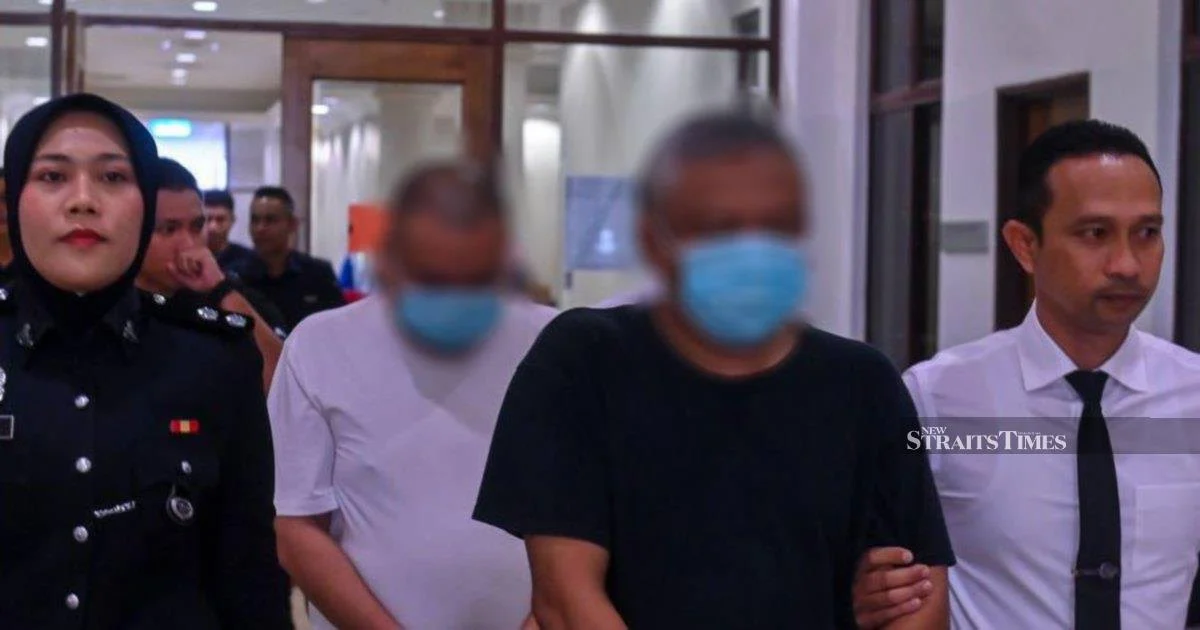
Police in Kuantan have detained a businessman bearing the title of Datuk alongside his assistant in connection with allegations of forging official correspondence purporting to be from the office of the Tengku Mahkota of Pahang. The arrests underscore a persistent vulnerability in Malaysia's commercial landscape, where fraudsters attempt to exploit the prestige and authority associated with royal insignia to lend credibility to dubious transactions and business proposals.
The use of royal seals and letterheads in forged documents represents a particularly audacious category of fraud, as perpetrators essentially attempt to commandeer the legitimacy vested in state institutions for personal gain. In the Malaysian context, where respect for the monarchy remains deeply embedded in society and governance, presenting falsified royal correspondence can prove remarkably effective in convincing unsuspecting victims and business partners to part with money or enter into illegitimate agreements. The Pahang case appears to follow this troubling pattern, with the accused allegedly manufacturing written material bearing the Tengku Mahkota's official symbols.
Datuk titles, while traditionally awarded for contributions to society or business, do not immunize holders from criminal conduct. The fact that the detained businessman holds such a title makes this case particularly noteworthy, as it illustrates that fraud operators may come from across socioeconomic strata. Such cases have repeatedly demonstrated that professional standing and formal recognition offer no guarantees of ethical behavior, and may sometimes provide perpetrators with heightened access to networks and resources that facilitate elaborate schemes.
The involvement of an assistant in the operation suggests this was not a spontaneous or minor transgression, but rather a coordinated effort involving multiple actors in the fraud apparatus. Assistants in such schemes typically play crucial roles in document preparation, logistics, communications, or follow-up with victims. Their participation indicates that the fraudulent enterprise likely had operational structure and planning beyond what a lone actor might accomplish, pointing toward a potentially larger network or multiple victims.
Document forgery of this nature carries serious legal implications under Malaysian law. Beyond the immediate fraud charges, the accused face additional counts related to misusing official symbols and seals, which constitute separate offenses. The penalties attached to such crimes reflect the severity with which authorities treat efforts to impersonate state institutions or hijack their authority for criminal purposes.
The incident arrives amid growing recognition across Southeast Asia of the vulnerability of royal and governmental seals in an era where document production has become technologically sophisticated yet increasingly accessible. Counterfeiting official marks and symbols remains a significant problem in Malaysia and neighboring jurisdictions, with perpetrators ranging from amateur operators to professional criminal syndicates. The investigation in Kuantan will likely reveal whether this represented an isolated instance or part of a wider fraudulent network.
For Malaysia's business community, such cases serve as a cautionary reminder of the need for rigorous verification procedures when dealing with purportedly official correspondence. Many organizations remain insufficiently cautious about validating the authenticity of documents before responding to their contents or entering into commitments based upon them. Proper protocols—including direct contact with issuing authorities through independently verified channels—could prevent many frauds of this type from succeeding.
The Pahang Royal House, like other sultanates in Malaysia, maintains elaborate protocols for issuing official correspondence and communications. Genuine letters from the Tengku Mahkota's office follow established formats and distribution procedures. Circumventing or falsifying these procedures represents not merely fraud against individual victims, but an assault on the integrity of state institutions themselves, which explains why authorities pursue such cases with particular vigor.
Investigations into sophisticated fraud schemes frequently uncover additional layers of criminal activity. Forensic analysis of forged documents, communications records, and financial transactions may reveal accomplices, previous victims, or connected offenses. The Kuantan police will likely conduct thorough examinations of the accused individuals' communications, financial records, and associations to determine whether this fraud extended beyond the initially reported matter and involved other state institutions or official-looking documents.
The case also highlights the importance of maintaining security around government and royal symbols and materials. While official seals and letterheads must remain accessible for legitimate use, institutions must balance this necessity with robust controls preventing unauthorized reproduction. Enhanced watermarks, security features, and digital authentication methods represent potential safeguards that Malaysian authorities may evaluate in response to continuing forgery concerns.
Beyond the immediate legal proceedings in Kuantan, this arrest may prompt a broader review of fraud prevention measures across Malaysia's public and private sectors. Educating businesses about verification procedures and creating accessible channels for confirming the authenticity of official communications can substantially reduce the effectiveness of document forgery as a fraud methodology. The detention of the Datuk and his assistant should serve as a jolt to complacency regarding what many treat as routine administrative matters.

