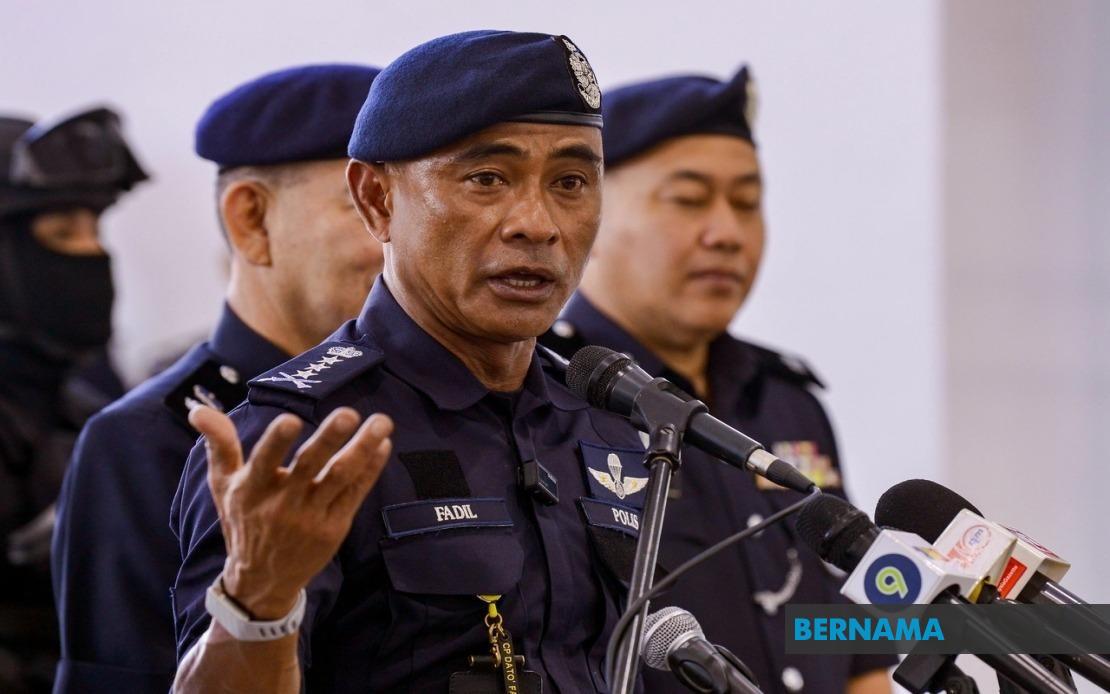
Kuala Lumpur's iconic Dataran Merdeka will transform into a massive viewing venue on Monday morning as the public gathers to witness the FIFA World Cup 2026 final on a giant screen, marking a centrepiece moment of the week-long Unity Merdeka initiative. Kuala Lumpur police chief Datuk Fadil Marsus announced the screening as part of celebrations aimed at promoting cohesion across Malaysia's diverse communities, with organisers ambitiously targeting an attendance of up to 300,000 spectators for the early-morning broadcast.
The Unity Merdeka programme, which commenced this week and continues through Sunday, represents a collaborative effort between the Kuala Lumpur police force and 16 government ministries working in tandem. The initiative deliberately emphasises the theme "Diversity United, Wellbeing Preserved," reflecting efforts by law enforcement and government bodies to connect with residents through activities spanning welfare, cultural pursuits, educational components, religious observances, family entertainment, and general festivities suitable for all ages. This multi-ministerial involvement underscores how the nation's public sector is mobilising across traditional departmental lines to deliver a unified community experience.
The momentum for the week-long event began with a Fun Run Unity Merdeka event held at Dataran Merdeka, which attracted approximately 2,000 participants over a five-kilometre course. The running event served as an immediate community engagement tool, specifically designed to deepen relationships between Kuala Lumpur's police department and the capital's residents. Notably, Kuala Lumpur deputy police chief DCP Datuk Mohd Azani Omar participated alongside members of the Crime Journalists Association, demonstrating cross-sector engagement in the initiative.
Organisers have set an ambitious target to convert the World Cup final screening into a record-breaking event. Datuk Fadil expressed hopes that the gathering of hundreds of thousands at Dataran Merdeka would result in recognition by the Malaysia Book of Records, transforming a sporting occasion into a documented national moment. This ambition reflects a broader strategy to generate meaningful public engagement through major international sporting events, positioning Malaysia as a nation capable of mobilising significant crowds for shared experiences.
The full week of activities commences at 8 pm each evening, building anticipation towards the culminating World Cup final screening. Beyond the main stadium setup, the Unity Merdeka programme features numerous exhibitions and interactive booths operated by various security and government agencies. These include displays and engagement stations from the Royal Malaysia Police, Malaysian Armed Forces, Fire and Rescue Department, and the Ministry of Health, creating opportunities for residents to interact with institutions that serve the public daily.
From a Malaysian perspective, this initiative arrives at a significant moment in the nation's calendar. The programme explicitly aims to strengthen bonds within Malaysia's multicultural society through structured engagement activities, a priority that successive administrations have emphasised. By anchoring such activities around a globally significant sporting event like the World Cup final, authorities create an accessible focal point for diverse Malaysians to gather, irrespective of individual football fandom or sports preferences.
The choice of Dataran Merdeka, the symbolic heart of Malaysian independence, carries particular significance. This location carries historical weight for the nation and has traditionally hosted major celebrations and public gatherings. Screening the World Cup final at this venue adds another layer to its role as a venue for collective national experiences, positioning sports entertainment as part of Malaysia's civic and cultural fabric.
For Kuala Lumpur particularly, large public gatherings of this scale require extensive logistical coordination, from security arrangements to crowd management and infrastructure provisions. The police department's central role in organising the event indicates the level of planning and resource commitment required to facilitate safe, orderly assembly of hundreds of thousands of people. Such undertakings demonstrate how contemporary public events demand sophisticated coordination across multiple government functions.
The programme's emphasis on inclusion—welcoming visitors of all ages and backgrounds—reflects contemporary understanding that community cohesion initiatives must be genuinely accessible rather than exclusive. By offering a diverse range of activities alongside the main World Cup screening, organisers attempt to ensure that those who may not be football enthusiasts can still find value in attending Dataran Merdeka during the week.
For Southeast Asia broadly, Malaysia's approach to leveraging international sporting moments for domestic unity-building offers a model worth noting. The region's diverse nations frequently grapple with questions of social cohesion and national identity. By linking the global appeal of the World Cup to locally-rooted initiatives emphasising unity across ethnic and community lines, Malaysia demonstrates one approach to harmonising international engagement with domestic priorities.
The early-morning timing of the World Cup final screening—occurring in the pre-dawn hours of Monday—will test public enthusiasm and logistical capabilities. That organisers expect such substantial turnout despite the inconvenient timing suggests considerable confidence in public appetite for participating in a shared national moment around a major sporting event. Whether the actual attendance approaches projections will provide insights into how major international sporting spectacles translate into grassroots public engagement in the Malaysian context.

