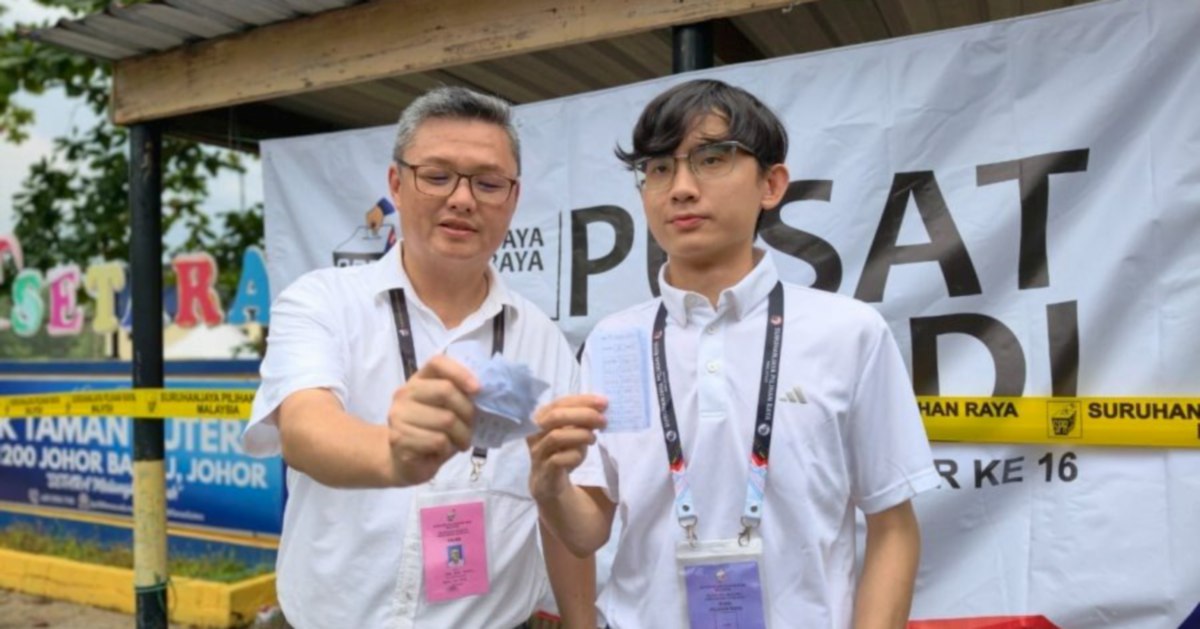
Tee Boon Tsong, the Pakatan Harapan-DAP candidate contesting the Perling seat, has levelled accusations against polling agents representing an opposing party for allegedly recording voter serial numbers in contravention of Malaysia's Election Offences Act. The incident raises significant concerns about the integrity of electoral procedures and the protection of voter privacy during what should remain one of democracy's most sacred processes. The allegations emerged from polling day activities, with Tee claiming that the unauthorised documentation represented a serious breach of polling regulations.
The Election Offences Act contains strict provisions designed to safeguard voter anonymity and ensure the secrecy of the ballot box. These protections form a cornerstone of democratic elections, preventing any individual or entity from linking specific voters to their ballot choices or from monitoring voting patterns. The recording of voter serial numbers by polling agents would constitute a significant violation of these protections, as such information could theoretically be cross-referenced to identify voting behaviour or compile voter profiles outside the polling station.
Perling, located in Johor Baru, is a constituency with considerable electoral significance in Johor state. The allegations emerge during what remains an intensely competitive political landscape in Malaysia, where concerns about electoral conduct occasionally surface during campaign periods and voting days. The timing and nature of these allegations suggest underlying tensions between rival camps regarding polling procedures and agent conduct at individual polling stations.
Polling agents serve legitimate functions during elections, acting as representatives of registered political parties to observe the voting process and ensure compliance with electoral regulations. However, their role is strictly circumscribed by law. Agents are permitted to observe proceedings but are explicitly prohibited from engaging in activities that compromise voter privacy or create records that could track individual voting patterns. The alleged recording of serial numbers appears to exceed these boundaries significantly.
The violation becomes more serious when considering that voter serial numbers could be cross-referenced against other databases to identify specific individuals. This represents a fundamental breach of the secret ballot principle and could constitute intimidation or attempted coercion of voters if the information were subsequently misused. Malaysian electoral law takes such breaches seriously precisely because democracy depends upon voters exercising their franchise without fear of consequences or surveillance.
Electoral authorities in Malaysia maintain detailed guidelines regarding agent conduct within polling stations. These guidelines emphasise that agents must remain neutral observers who do not interfere with voters, election officials, or the voting process itself. Any deviation—particularly activities involving documentation or recording—must be reported to election officials immediately for investigation and potential enforcement action. The failure to address such misconduct promptly can undermine public confidence in the electoral process.
Johor's electoral environment has experienced various challenges in recent election cycles, with Johor Baru constituencies regularly attracting significant attention from national political parties. The state remains crucial to both Pakatan Harapan's regional ambitions and rival coalitions' electoral strategies. Allegations regarding polling irregularities in constituencies like Perling can influence broader perceptions about electoral integrity across the state.
The specific allegation regarding serial number recording suggests a systematic rather than spontaneous action by the alleged polling agents. This distinction matters considerably for regulatory purposes, as it indicates possible coordination or instruction to engage in the practice. If substantiated, such evidence would suggest institutional knowledge of the activity rather than isolated agent misconduct, potentially triggering more serious investigations into campaign conduct and party compliance with electoral law.
Malaysian electoral authorities, particularly the Election Commission, possess investigative powers to examine such allegations. The Commission can summon witnesses, review documentation, and interview polling agents involved in disputed incidents. When credible allegations emerge regarding polling day conduct, the standard procedure requires formal investigation and, where evidence supports violations, appropriate enforcement measures ranging from warnings to legal prosecution depending on violation severity.
Voters' confidence in electoral processes depends substantially on their faith that their voting choices remain anonymous and that no mechanism exists to track how individuals cast their votes. Allegations of serial number recording directly threaten this confidence, as they suggest external forces might seek to identify voters or monitor voting patterns. Such concerns can depress voter participation and undermine democratic legitimacy even before substantive investigation concludes.
The broader context suggests that electoral agents require continuous reminders and training regarding their legitimate functions and prohibited activities. While most agents perform their duties professionally and lawfully, occasional misconduct incidents highlight the need for ongoing enforcement and awareness campaigns by both election authorities and political parties themselves regarding agent conduct standards.
As investigations proceed, the outcome will likely carry implications beyond Perling, potentially influencing how closely election authorities monitor agent conduct in future polls and whether additional training or monitoring mechanisms become necessary across constituencies. The resolution of such allegations represents a test of institutional responsiveness to electoral integrity concerns.

