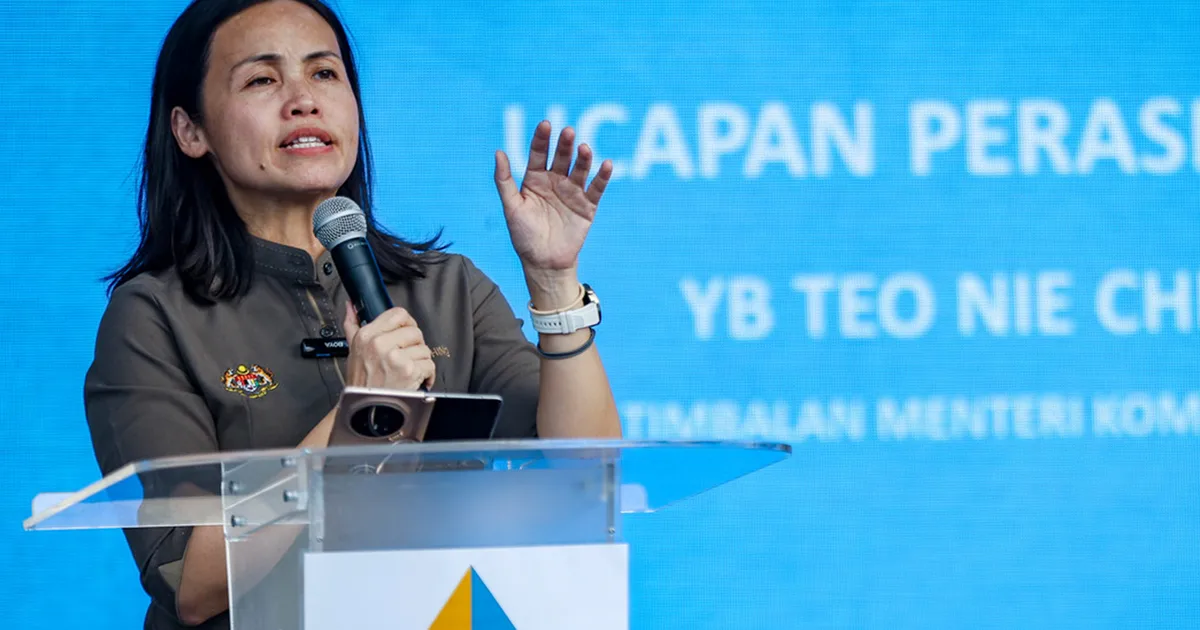
A high-profile DAP leader and deputy minister has publicly alleged that she has become the target of a coordinated attack on social media, with multiple accounts apparently established for the sole purpose of circulating false and damaging allegations about her alleged connections to gang-related activities. The accusation underscores the growing vulnerability of public figures in Malaysia to character assassination campaigns conducted through digital platforms, a phenomenon that has become increasingly common in the country's polarised political landscape.
The deputy minister's complaint reflects broader concerns about the weaponisation of social media in Malaysian politics. Over the past several years, political opponents, interest groups, and coordinated networks have routinely exploited platforms such as Facebook, X, and TikTok to amplify unverified claims and attack the credibility of targeted individuals. Rather than engaging through traditional channels of political debate, these campaigns rely on the anonymity afforded by the internet and the algorithmic dynamics that reward sensational or inflammatory content, allowing false narratives to spread rapidly before fact-checking efforts can gain traction.
The creation of dedicated accounts specifically designed to target an individual represents a particularly insidious tactic within this broader ecosystem. Unlike sporadic negative commentary that might emerge organically from genuine critics, a coordinated campaign using purpose-built accounts suggests a level of premeditation and organised effort. This approach allows attackers to maintain a consistent messaging framework, amplify their reach through coordinated posting schedules, and create the impression of widespread organic sentiment when the activity is in fact concentrated among a small number of actors.
For Malaysian readers, this situation carries particular relevance given the country's recent political turbulence and the intense factional divisions within and between political coalitions. The Pakatan Harapan coalition, of which DAP is a significant component, has frequently been subjected to character attacks through social media, while simultaneously facing criticism for its own digital communication strategies. The alleged campaign against this deputy minister must be understood within this context of mutual political contestation conducted increasingly through digital means rather than parliamentary or media channels.
The allegations of gang connections specifically represent a serious form of character attack, one designed to delegitimise the target not merely as a political opponent but as a threat to public safety and social order. Even when categorically false, such claims can persist in certain segments of social media communities and potentially influence public perception, particularly among voters less inclined to verify information through multiple sources. The strategic deployment of such grave accusations—whether they have basis or not—reflects the stakes involved in contemporary Malaysian political competition.
The deputy minister's public articulation of this attack also raises questions about the response mechanisms available to public figures when facing coordinated disinformation campaigns. Malaysia's legal framework includes provisions against defamation and contempt, though their application to social media content remains complex and often ineffective in practice. Many victims of targeted campaigns find that legal remedies move too slowly to address the immediate reputational damage, and law enforcement authorities have been inconsistent in their approach to online political harassment.
This incident also illustrates the challenges faced by social media platforms themselves in moderating political content within Malaysia. International platforms such as Meta and Twitter have committed to removing coordinated inauthentic behaviour, yet enforcement remains inconsistent and often reactive rather than proactive. The removal of a coordinated campaign network may occur only after substantial damage has already been inflicted, and the original false narratives often continue circulating even after source accounts are eliminated.
For DAP specifically, the allegations carry additional weight given the party's historical positioning as a defender of democratic norms and transparency. The party has frequently advocated for stronger protections of free speech and online expression, and attacks against its own members through digital means create a complex political dynamic. How the party responds to this incident—whether emphasising legal remedies, platform accountability, or political counter-messaging—will likely influence broader conversations about digital governance and online political conduct in Malaysia.
The deputy minister's willingness to publicly name and address the campaign also reflects a shift in how targeted individuals are responding to digital attacks. Rather than remaining silent or seeking purely legal remedies, some politicians now employ counter-messaging strategies, publicising the attacks themselves to alert supporters and the broader media ecosystem to the campaign's existence. This approach carries both advantages and risks, potentially amplifying awareness of the false allegations even as it demonstrates the victim's refusal to be silenced.
Moving forward, this incident will likely contribute to broader conversations within Malaysian political circles and civil society about establishing norms and standards for digital political conduct. Both the government and political parties face pressure to address the growing sophistication of coordinated social media campaigns, while simultaneously protecting legitimate political expression and online freedom. The challenge lies in distinguishing between genuine political debate conducted through digital means and malicious coordinated campaigns designed primarily to damage rather than persuade.
The broader implications for Malaysia's democratic development should not be underestimated. As political competition increasingly migrates to digital platforms, the integrity of those spaces becomes directly relevant to the integrity of the political process itself. Without effective mechanisms to combat coordinated disinformation and character attacks, public discourse risks becoming increasingly dominated by well-funded or highly motivated coordinated actors rather than representing the diversity of genuine public opinion.

