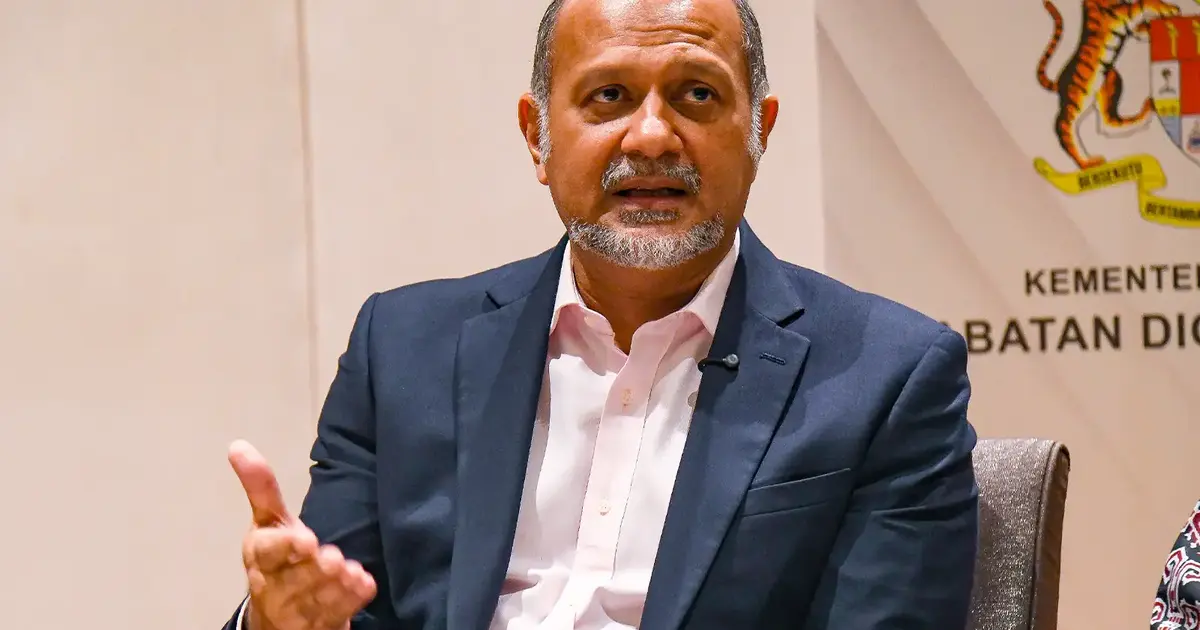
DAP chairman Gobind Singh Deo has publicly called on the Inspector-General of Police and the Malaysian Anti-Corruption Commission to share their findings from an ongoing investigation into alleged corporate mafia activities, signalling growing impatience within the ruling coalition over the pace of the probe.
The appeal represents an escalation in pressure on Malaysia's key law enforcement and anti-graft agencies, which have been examining complex allegations that touch on politically sensitive corporate dealings. Gobind's intervention suggests that party leadership is keen to demonstrate tangible progress on an issue that gained high-profile attention when the Cabinet issued a formal directive in March to investigate the matter thoroughly.
The March Cabinet directive marked an important turning point, giving both the police and MACC explicit authority and political backing to pursue allegations that have circulated in Malaysian business and political circles. However, the lack of public updates in the months since that decision has apparently tested the patience of coalition partners monitoring the investigation's trajectory.
Gobind's position as DAP chairman amplifies his call beyond routine political questioning. The DAP, as the largest component of the ruling Pakatan Harapan coalition, carries significant weight in government decision-making and coalition stability. His public demand for transparency suggests that party leaders feel they have extended reasonable latitude for investigative work and now expect concrete developments or at least substantive interim disclosures.
The timing of Gobind's appeal reflects broader concerns about institutional credibility. Both the IGP's office and MACC have faced periods of public scepticism regarding their independence and effectiveness. Demanding visible progress on high-profile matters like corporate mafia investigations serves the dual purpose of holding agencies accountable while also allowing political leaders to show constituents that government is taking action against perceived wrongdoing in the business establishment.
Investigations of this complexity typically require months of groundwork, forensic analysis, witness interviews, and legal preparation before public announcements. Yet the absence of even preliminary briefings to coalition partners has created an information vacuum that invites speculation and criticism. Gobind's intervention effectively communicates that silence itself is now becoming a political liability for the investigating agencies.
For Malaysian citizens tracking government effectiveness, the delayed updates underscore a persistent challenge in law enforcement operations. Balancing the need for operational secrecy during active investigations against public and political expectations for transparency remains notoriously difficult. However, targeted briefings to responsible political leadership need not compromise investigative integrity, and their absence suggests either significant obstacles in the probe or communication breakdowns between agencies and elected officials.
The 'corporate mafia' terminology itself carries implications for how Malaysia's business environment is perceived internationally and domestically. International investors and rating agencies monitor whether the country can effectively investigate and prosecute alleged organised corporate misconduct. Extended investigation timelines without public accountability can inadvertently signal systemic weakness in governance capacity, even when investigations are proceeding diligently behind the scenes.
Gobind's demand also reflects practical coalition politics. DAP members and voters expect their party leadership to leverage its position within government to ensure that investigative resources are deployed effectively and that outcomes serve broader anti-corruption and transparency objectives. Remaining publicly quiet while months pass would expose DAP to accusations of compromising on governance standards, particularly among constituents who view corporate accountability as fundamental to improving Malaysian institutional quality.
The relationship between political oversight and investigative independence represents an ongoing tension in Malaysia's governance framework. Police and MACC need operational autonomy to prevent political interference in specific cases. Simultaneously, government bodies answerable to the people require regular accountability to elected representatives. Gobind's appeal attempts to navigate this balance by not demanding specific conclusions but rather requesting status updates and evidence of progress.
For businesses and investors in Malaysia, sustained uncertainty about the scope and findings of corporate mafia investigations creates operational risk. Companies uncertain whether they might be implicated in alleged misconduct face planning difficulties. Conversely, lengthy investigations without transparent milestones can create perceptions of selective or politically motivated prosecution if conclusions eventually emerge. Regular, substantive updates would provide greater clarity for the business community and democratic legitimacy for investigative outcomes.
Moving forward, Gobind's intervention will likely intensify pressure on both the IGP and MACC to provide coalition leadership with regular briefings, if not public updates. How these agencies respond will indicate whether Malaysia's institutional framework genuinely supports transparency in high-stakes corporate investigations or whether political and bureaucratic constraints will continue to produce the kind of silence that breeds public mistrust and coalition friction.

