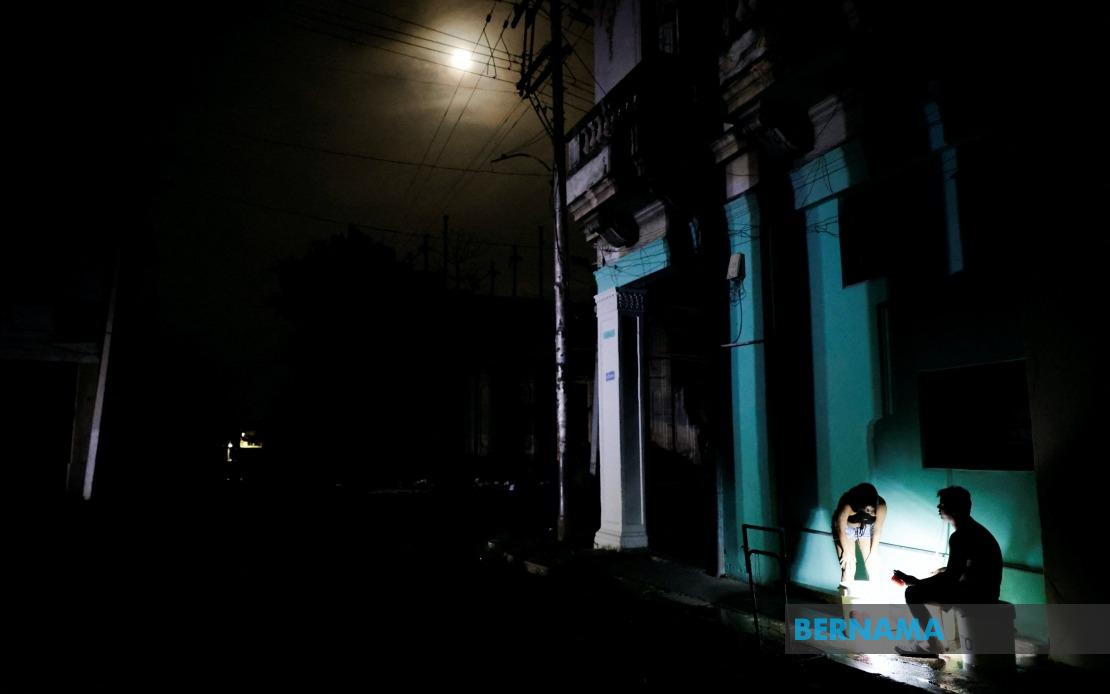
Cuba descended into darkness once again on Sunday when its national electrical grid suffered a catastrophic failure, leaving the entire Caribbean nation without power. The state-owned electricity utility confirmed that the grid had simply stopped functioning, forcing residents and businesses across the island into yet another bout of widespread darkness. The collapse represents the fourth significant blackout to strike the island in the span of just over a month, with three major outages already occurring during July followed by this newest August incident. Officials at the utility offered no immediate explanation for what triggered the latest failure, leaving Cubans to grapple with power restoration efforts without clarity on the underlying cause.
The accumulation of blackouts in such a short timeframe underscores the deepening fragility of Cuba's energy infrastructure, which has become increasingly strained by ageing equipment, fuel shortages, and mounting demand. Each successive outage serves as a grim reminder of the structural vulnerabilities within the system—vulnerabilities that no amount of temporary fixes can adequately address. For ordinary citizens, the pattern of rolling blackouts has evolved from a periodic inconvenience into a defining feature of daily existence, forcing Cubans to fundamentally restructure how they navigate even the most basic activities.
Residents have adapted to the uncertainty by concentrating essential activities—cooking meals, washing clothes, accessing internet connectivity, and attempting to cool their homes during the oppressive summer heat—into whatever windows of electricity availability present themselves. This reactive approach to power consumption reflects the precarious nature of energy security on the island, where no one can reliably predict when electricity will flow through the grid next. Families have become adept at maximising utility during brief supply windows, charging devices frantically and preparing food in rapid succession whenever power returns.
The government has acknowledged that structural reform is essential to resolving the crisis, though progress remains incremental and measured. Prime Minister Manuel Marrero Cruz indicated in July that authorities had greenlit the nation's inaugural foreign investment partnership specifically designed to facilitate fuel imports and subsequent distribution within the domestic market. This represents a significant policy shift for a nation that has traditionally resisted opening economic sectors to outside capital. The measure signals recognition that Cuba's own resources and capacity are insufficient to meet contemporary energy demands without external assistance.
Beyond fuel supply arrangements, the administration has broadened its economic opening strategy by permitting nearly two hundred enterprises to participate in wholesale fuel distribution networks. This decentralisation of supply chains aims to create greater efficiency and resilience within the energy sector by reducing reliance on a single centralised distribution mechanism. Additionally, policymakers have greenlit measures allowing private sector participation in tourism development, representing another departure from Cuba's historical economic model.
Marrero has tempered public expectations about the timeline for tangible improvements, emphasizing that meaningful results will emerge only through sustained effort over extended periods. He noted that authorities are now entering what he characterised as the most critical and simultaneously most challenging phase of implementation. This candid assessment suggests that whilst the government recognises the gravity of the situation, officials are also realistic about the obstacles inherent in transforming entrenched economic structures and infrastructure systems that have deteriorated over decades.
The energy crisis carries particular significance for Southeast Asian observers, including Malaysia, as it exemplifies how over-reliance on centralised power infrastructure without adequate investment in maintenance and modernisation can precipitate systemic collapse. Cuba's experience demonstrates that even nations with considerable technical expertise and institutional capacity can face catastrophic grid failures when operational budgets prove insufficient and equipment reaches critical age thresholds. For regional policymakers, the Cuban situation underscores the importance of proactive infrastructure investment and maintaining energy system redundancy.
The blackout crisis also illustrates the humanitarian dimensions of energy scarcity during summer months, when cooling demand peaks at precisely the moment when power availability becomes most uncertain. Public health risks multiply as food spoilage accelerates, water supply systems dependent on pumping stations falter, and hospitals struggle to maintain essential medical equipment. These cascading effects extend far beyond mere inconvenience, threatening lives and undermining public health outcomes.
Cuba's gradual opening to foreign investment in energy and related sectors may eventually yield improvements, but the trajectory of reform suggests that material amelioration remains months or potentially years away. The government's acknowledgment that results will materialise gradually rather than swiftly reflects the magnitude of the challenge ahead. As the island implements its economic reforms, the underlying energy infrastructure crisis will likely persist, continuing to shape the daily realities of millions of Cubans and potentially influencing migration patterns and political stability on the island.

