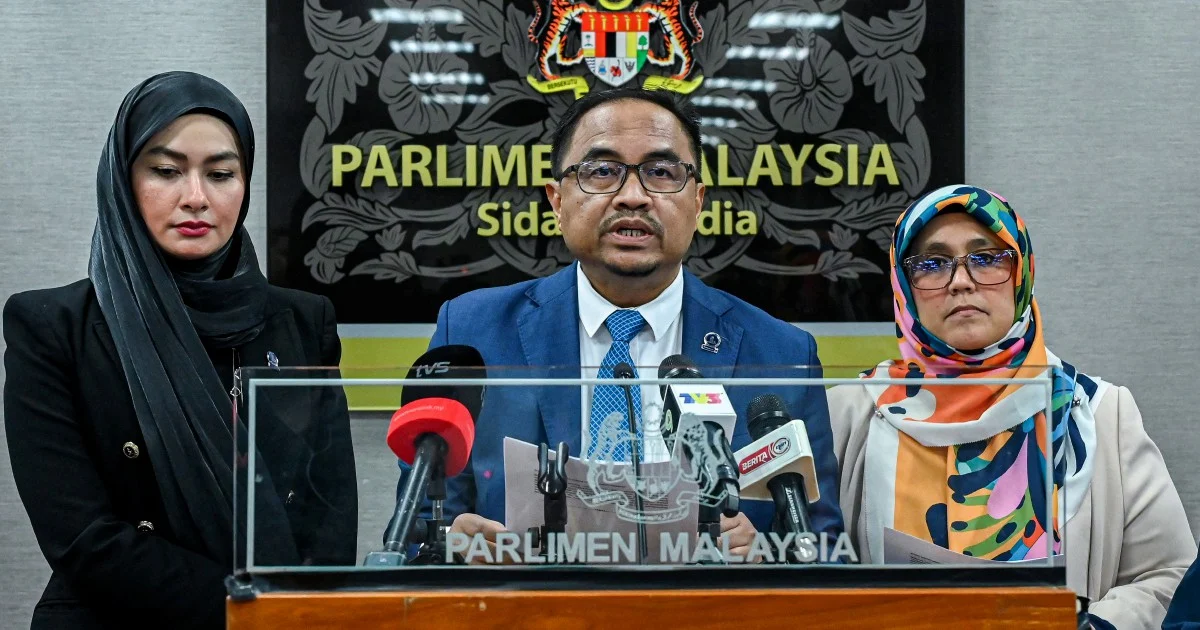
Lawmakers representing multiple political parties have begun mobilizing for substantial reforms to Malaysia's electoral framework ahead of the 16th general election. The cross-party initiative, unveiled in Kuala Lumpur, represents a rare moment of parliamentary consensus on election integrity issues that have long concerned observers and civil society groups. The package of proposed changes focuses on preventing perceived advantages derived from incumbent administrations' access to state machinery during campaign periods, a longstanding flashpoint in Malaysian electoral practice.
The most prominent recommendation from the parliamentary group centres on prohibiting government resources from being deployed for party political purposes during election campaigns. This encompasses restrictions on civil service personnel, government vehicles, facilities, and communications infrastructure that might be mobilized to support ruling coalition candidates. Such practices have drawn sustained criticism from opposition parties and election observers over multiple electoral cycles, who argue they create an inherent imbalance favouring the incumbent administration regardless of electoral competitiveness or public support levels.
The timing of these reform proposals carries significance within Malaysia's broader political trajectory. The 16th general election represents a critical juncture for the nation's democratic institutions, particularly given recent shifts in voter behaviour, coalition politics, and public expectations around electoral conduct. By advancing these proposals now, cross-party MPs are attempting to establish a new baseline of electoral standards before campaign activity intensifies in the months preceding polling day. This proactive approach suggests growing recognition that Malaysia's electoral framework requires updating to reflect contemporary democratic norms and public accountability expectations.
Equally important to the campaign resource restrictions are proposals to strengthen the Election Commission's enforcement mandate and operational independence. The EC has traditionally operated with what many observers characterize as limited investigative and sanctioning authority, constraining its capacity to address alleged breaches of electoral conduct rules. Granting the commission expanded powers would enable more robust monitoring of campaign activities, faster response mechanisms to complaints, and more credible deterrents against regulatory violations. This reform recognizes that legal prohibitions lack meaningful effect without institutional capacity to enforce them consistently and fairly.
The notion of enhanced EC authority touches on fundamental questions about institutional balance within Malaysia's electoral system. Strengthening an independent watchdog body requires careful calibration to prevent the commission itself becoming a tool of political manipulation or weaponization. However, the cross-party nature of this push suggests proponents believe such protections can be built into the reforms themselves, possibly through improved governance structures, transparency mechanisms, and appeals procedures that safeguard the commission's neutrality while expanding its practical enforcement reach.
These reform initiatives must be understood against the backdrop of Malaysia's recent electoral volatility and the evolving expectations of an increasingly sophisticated electorate. Younger voters and urban constituencies in particular have demonstrated heightened sensitivity to questions of fairness and institutional integrity in electoral processes. Previous election cycles have witnessed sustained public debate about the advantages available to ruling administrations, with concerns extending beyond campaign resources to encompass media access, administrative positioning, and institutional resource allocation. The parliamentary group's proposals represent an attempt to address these accumulated grievances through structural reform rather than ad hoc complaints and electoral disputes.
For regional observers and international organizations monitoring electoral standards in Southeast Asia, Malaysia's willingness to consider such reforms holds broader implications. Many countries across the region grapple with similar tensions between executive power and electoral neutrality, between incumbent advantages and competitive fairness. A successful implementation of these proposals in the Malaysian context could influence thinking about best practices throughout the region, potentially encouraging similar reforms in neighbouring democracies facing comparable challenges.
The parliamentary initiative also reflects deeper conversations occurring within Malaysian political parties about their own electoral strategies and long-term viability. Ruling coalition members engaging with reform proposals may perceive advantages in pre-empting more radical demands or building legitimacy through demonstrating commitment to fairness. Opposition parties can simultaneously position themselves as defenders of democratic standards while avoiding accusations of strategic obstruction. This alignment of incentives, rare though it may be, creates an unusual window for substantive legislative change.
Implementing these reforms will require careful attention to technical details and practical implementation mechanisms. Campaign resource restrictions must be defined with sufficient clarity to guide officials and campaigners while allowing necessary party political communication. The definition of government resources suitable for partisan use versus those requiring neutrality requires nuance, particularly regarding information officers, administrative facilities, and institutional communications. Similarly, defining the EC's expanded powers requires specification of investigative authorities, sanction mechanisms, and appeals processes that command public confidence and judicial scrutiny.
The success of any such reforms ultimately depends on political will extending beyond the initial parliamentary consensus. Once campaign activity intensifies and electoral competition sharpens, the advantages available from state machinery tend to tempt even reformed administrations, particularly when electoral margins tighten. Embedding these principles into electoral culture requires sustained commitment from political leadership, consistent enforcement by the EC, and ongoing civil society monitoring that holds implementers accountable to declared standards.
Looking forward, these reform proposals will likely feature prominently in pre-election political dialogue and potentially in manifestoes of competing coalitions. Their fate may ultimately depend on which political configurations emerge with governing mandates and the extent to which reform commitments survive the intensified strategic calculations that characterize actual campaign seasons. Nevertheless, the fact that cross-party MPs are actively advancing such proposals signals recognition that Malaysia's electoral framework requires updating for the challenges and expectations of contemporary democratic practice.

