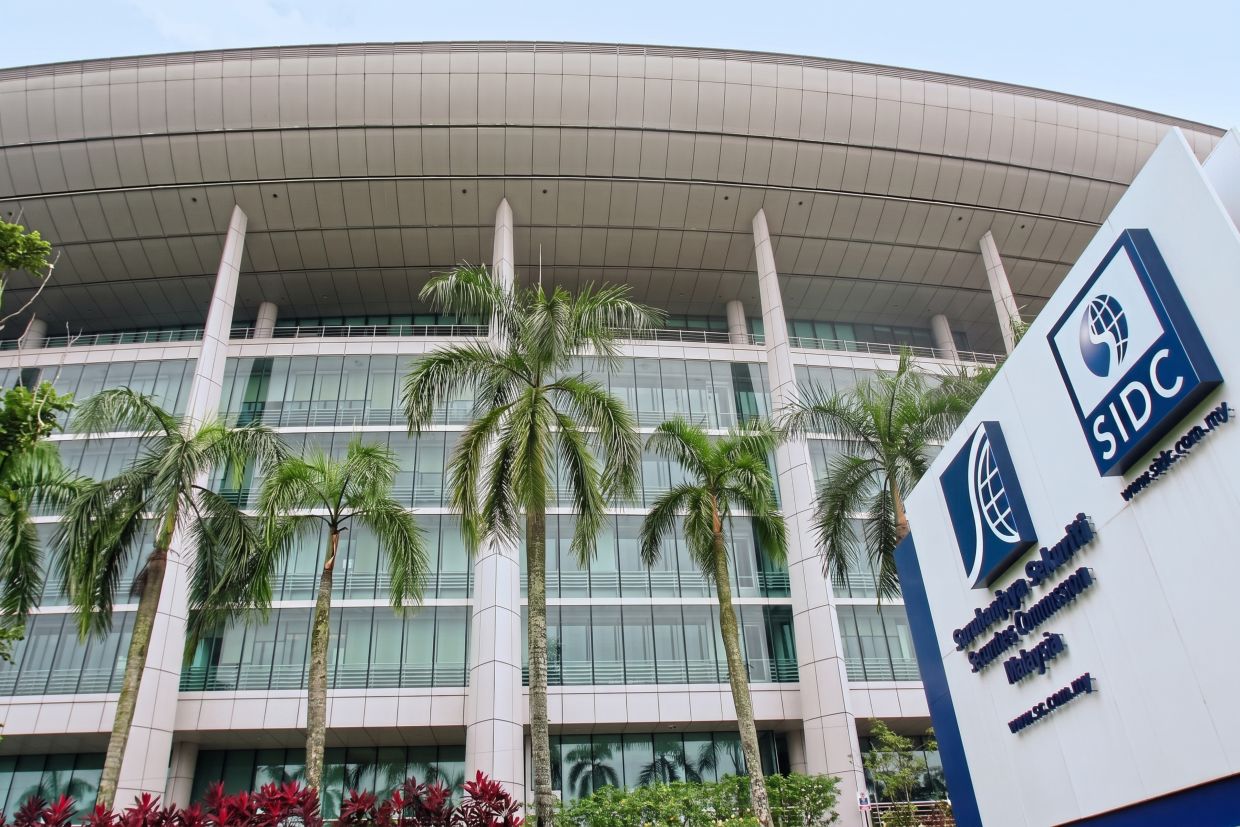
Malaysia's Court of Appeal has delivered a decisive endorsement of market integrity enforcement, unanimously confirming the High Court's 2022 verdict that found former WCT Bhd deputy managing director Goh Chin Liong and Ara Holdings Sdn Bhd director Leong Ah Chai culpable for insider trading violations. The appellate decision represents a significant moment in the securities regulator's long-running campaign against market misconduct, with the court dismissing both defendants' appeals without identifying any grounds warranting intervention from the bench.
The Securities Commission Malaysia announced that the Court of Appeal fully affirmed the earlier judgment, which had required both defendants to meet substantial financial obligations totalling RM5.83mil. The unanimous dismissal of the appeals came with costs levied at RM100,000 against each defendant, reinforcing the court's view that the original proceedings had been conducted properly and that the factual findings were sound. This outcome eliminates any remaining legal barriers to enforcement of the judgment, clearing the way for the regulator to pursue collection mechanisms against the parties involved.
The specific remedies ordered by the Court of Appeal encompassed a layered approach to deterrence and restitution. Goh and Leong were each directed to pay RM2.5mil representing disgorgement of profits gained or losses avoided through their unlawful conduct. Additionally, each faced a civil penalty of RM300,000, underscoring the severity with which the judiciary views breaches of market confidence. The defendants were further ordered to cover the SC's legal costs at RM75,000 each, effectively making the total financial exposure considerably more painful than the base judgment figures.
The underlying case originated in 2015 when the Securities Commission initiated civil proceedings against both men under sections 188(2) and 188(3) of the Capital Markets and Services Act 2007. The regulator alleged that Goh, leveraging his position at WCT, had communicated sensitive information to Leong regarding cancellation of a major contract. The project in question involved a proposed racecourse construction venture in Dubai, United Arab Emirates, which had been awarded to a joint-venture entity combining WCT's resources with those of Arabtec Construction LLC. Knowledge of the contract's termination would have had material implications for WCT's financial performance and share price movements.
Following receipt of this non-public information, Leong proceeded to unload 1.64 million WCT shares held within Ara Holdings' trading account during the first week of January 2009, specifically between January 2 and 5. The timing of this disposal immediately preceding public disclosure of the contract cancellation allowed Leong to avoid substantial losses that would have materialised once the market absorbed the adverse news. The High Court, following a full evidentiary trial, determined that the circumstances established a clear breach of securities law and ruled decisively in favour of the regulator's claims.
In a preliminary procedural victory, the SC had secured court approval in May 2026 to reinstate garnishee orders against both defendants, enabling the enforcement machinery to pursue collection of the RM5.83mil judgment sum directly from their assets or accounts. The garnishee mechanism provides the regulator with powerful tools to recover sums owed without requiring further court authorisation once a valid judgment has been entered. With the Court of Appeal's endorsement now in place, these enforcement tools can be deployed without fear that appellate intervention might stay or reverse their operation.
The Securities Commission's official response to the verdict underscores the regulatory philosophy guiding its enforcement activities. The regulator characterised insider trading not merely as a technical breach of statutory provisions but as a fundamental assault on market integrity. When participants perceive that others possess unfair informational advantages, collective confidence in market fairness erodes, potentially driving down retail participation and increasing the cost of capital for legitimate business operators. Malaysia's ambitions to develop as a sophisticated financial hub depend critically on maintaining the perception that the playing field operates according to transparent rules.
The SC indicated that the appellate judgment conveys a potent deterrent message to market participants contemplating similar misconduct. The substantial financial consequences—including both the disgorgement of ill-gotten gains and civil penalties representing punitive additions thereto—create meaningful incentives for compliance across the corporate sector. When executives understand that communicating material non-public information carries personal financial jeopardy alongside reputational damage, the incidence of such breaches should decline.
Looking forward, the SC confirmed its intention to proceed immediately with enforcement mechanisms to recover the full judgment sum from Goh and Leong. The regulator framed this determination as part of a broader commitment to pursue enforcement actions designed to sustain the integrity of Malaysia's capital market. This language reflects a strategic pivot beyond reactive policing toward proactive cultivation of market confidence. Investors, whether domestic or international, make asset allocation decisions partly on their assessment of regulatory effectiveness and the likelihood that fraudsters will face meaningful consequences. Each successful enforcement action serves as a public demonstration of that commitment.
The verdict arrives during a period of heightened focus on corporate governance across Southeast Asia. Regional exchanges and regulatory bodies have increasingly recognised that the quality of market infrastructure and the credibility of oversight mechanisms significantly influence capital flows and valuations across the region. Malaysia's handling of the WCT insider trading case thus carries implications extending beyond the specific parties involved, signalling to the broader investment community the seriousness with which the domestic regulator pursues market misconduct. The Court of Appeal's unanimous confirmation suggests consensus among the judiciary regarding both the substantive wrongfulness of the conduct and the appropriateness of the remedies imposed.

