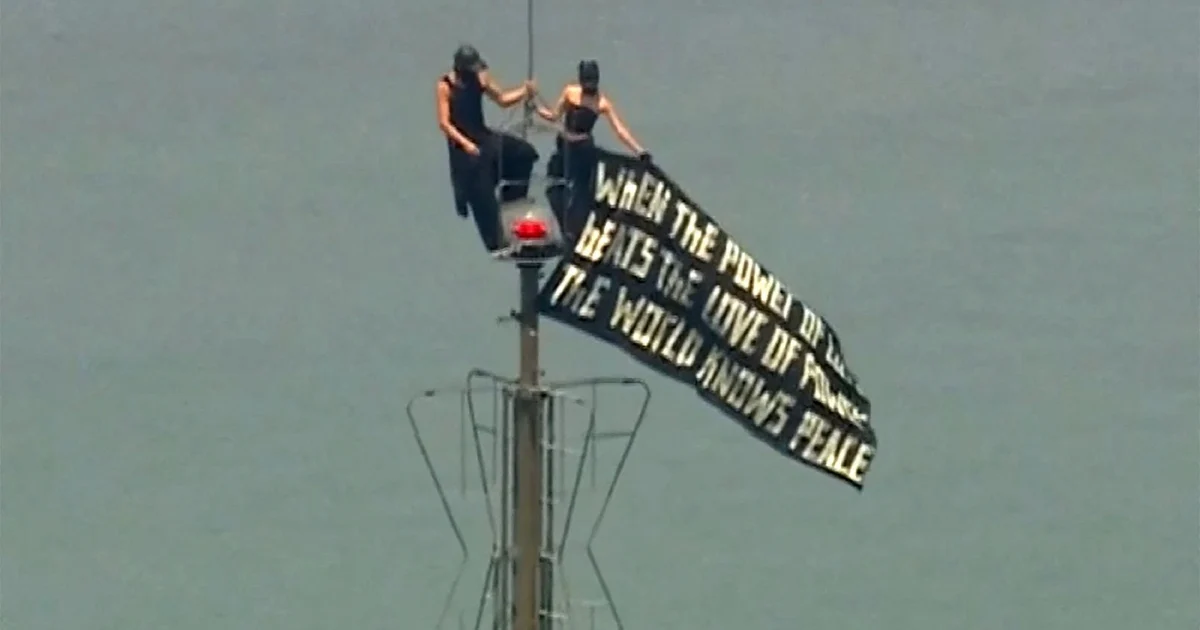
Two people were taken into custody on Wednesday following an unauthorised climb of the Empire State Building's antenna structure in New York, an incident that appears to have doubled as an engagement celebration. The pair's ascent to the iconic skyscraper's uppermost reaches was a dramatic display that drew attention from law enforcement and building security alike. Officials responded swiftly to the intrusion, bringing the climbers down from their elevated vantage point at one of Manhattan's most recognisable landmarks.
The Empire State Building stands as one of the Western Hemisphere's most significant architectural achievements, completed during the Depression era and remaining a symbol of New York City's resilience and prominence. Located on Fifth Avenue in Midtown Manhattan, the structure rises 380 metres to its roof level and has long served as both a tourist destination and an enduring representation of American engineering prowess. The building attracts hundreds of thousands of visitors annually who take organised tours and observation decks, making security protocols a critical concern for management.
Attempts to access restricted areas of major tall buildings have periodically captured public attention over the years, with adventurous individuals seeking to reach heights that offer distinctive perspectives and unforgettable experiences. In this case, the individuals involved appear to have selected the Empire State Building's antenna—the highest accessible point of the structure—as the location for what may have been a marriage proposal. Such unauthorised climbs present significant safety hazards not only to the perpetrators but also to emergency responders who must undertake rescue operations in challenging conditions.
New York City authorities take security breaches at prominent landmarks with appropriate seriousness, implementing measures designed to prevent unauthorised access while balancing the needs of legitimate visitors. The NYPD and building management teams work in coordination to monitor entry points and respond to incidents involving trespassers or safety violations. Wednesday's incident exemplifies the ongoing vigilance required to maintain security at a location that remains a prime target for those seeking to push boundaries.
The apparent proposal element adds an unusual dimension to what would otherwise constitute straightforward trespassing and reckless endangerment. Many individuals contemplating engagement announcements opt for more conventional approaches—romantic dinners, family gatherings, or carefully orchestrated public settings designed for such occasions. The couple's choice to commemorate their engagement on the Empire State Building's antenna represents an unconventional assertion of their affection, albeit one that violated building access protocols and exposed them to legal consequences.
From a regional perspective, this incident reminds Southeast Asian audiences of how major international landmarks maintain security in the face of persistent unauthorised access attempts. Cities throughout the region that host significant cultural and architectural sites face comparable challenges when managing visitor access whilst preventing security breaches. The incident underscores the tension between preserving open access to beloved public landmarks and implementing necessary restrictions that protect both people and property.
The specific charges and legal consequences facing the detained individuals remain to be determined through New York's judicial processes. Depending on their prior records and the precise nature of the allegations, they could face charges ranging from criminal trespass to more serious offences related to endangering themselves and others. The building's management will likely review its security protocols to assess whether additional measures might prevent similar incidents.
Public reaction to such stunts tends to divide between admiration for audacity and concern about the recklessness involved. While some view such dramatic gestures as expressions of youthful exuberance or romantic boldness, others emphasise the genuine dangers posed by unauthorised heights access and the burden placed on emergency services. The Empire State Building incident illustrates this ongoing cultural tension surrounding boundary-pushing behaviour at heritage and landmark sites.
For the couple involved, the arrest will likely overshadow the memory of what they intended as a joyful milestone. Their engagement, if confirmed, will now be inextricably linked to legal proceedings and public scrutiny. The incident serves as a cautionary reminder that romantic impulses, however heartfelt, must be tempered by respect for security measures and awareness of the consequences of rule-breaking—lessons applicable to adventurous couples navigating engagement plans across cultural and geographical boundaries.

