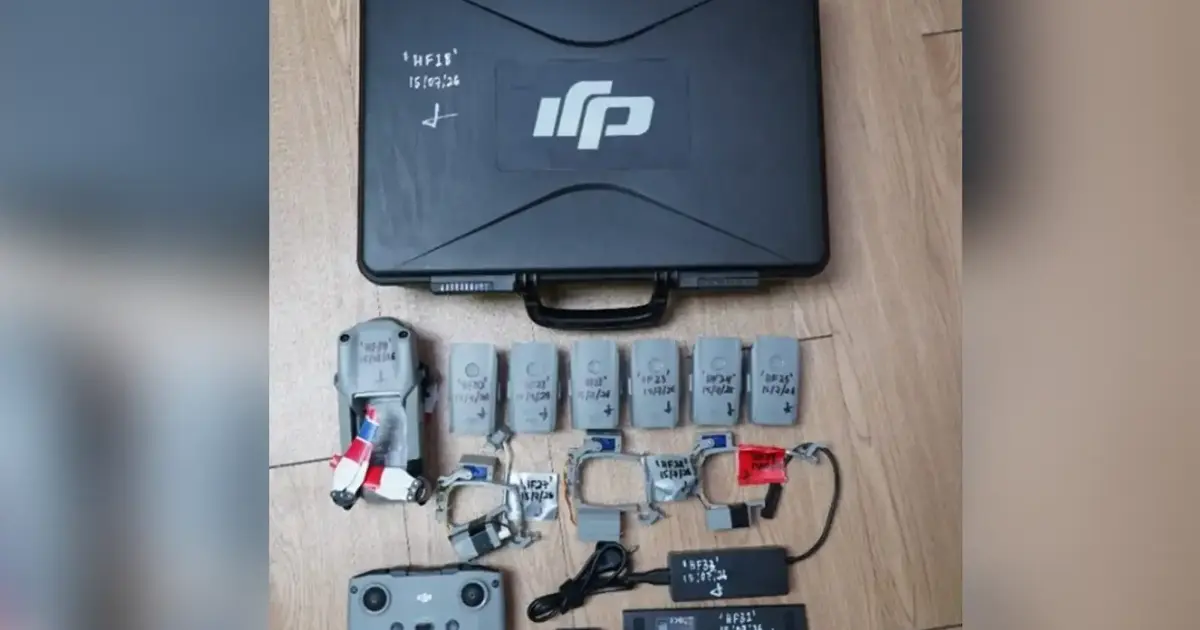
Authorities in Melaka have apprehended a couple suspected of orchestrating an illicit drone delivery operation aimed at introducing tobacco products into the state prison, marking another instance of contraband smuggling through increasingly sophisticated methods. The arrest underscores the ongoing challenge faced by Malaysia's correctional system in preventing inmates from accessing prohibited items, even as security measures continue to evolve.
According to the Melaka police chief, the couple's activities were believed to have been executed in direct coordination with an inmate housed within the facility. This collaborative arrangement suggests a deliberate supply chain operating between those on the outside and individuals serving sentences, highlighting vulnerabilities in prison perimeter security that criminals continue to exploit for profit. The involvement of an internal contact is particularly significant, as it indicates that organised smuggling requires active participation from inmates who can receive and distribute contraband within the prison population.
Drone technology has emerged as a preferred method for prison smuggling operations across several countries, including within the region. Unmanned aerial vehicles can bypass traditional security checkpoints and physical barriers that conventional smuggling attempts must navigate. Their use represents an escalation from earlier methods such as tossing packages over fences or concealing items in delivery shipments. The low cost of consumer drones, combined with their relative difficulty to detect and intercept, has made them increasingly attractive to criminal networks seeking to supply prisons with everything from tobacco and drugs to mobile phones and other restricted materials.
Tobacco smuggling into prisons is a persistent problem that generates significant revenue for criminal enterprises. Within prison populations, tobacco and related products command premium prices on informal markets, often traded as currency for other illicit goods or services. The high demand reflects both addiction and the complete prohibition of smoking materials within many correctional facilities. By maintaining a steady supply, smugglers ensure continued customer bases willing to pay substantial markups compared to street prices.
The coordination required between outside operatives and internal inmates suggests a degree of organisation beyond opportunistic smuggling. Successful operations of this nature typically involve clear communication channels, agreed upon landing zones or delivery methods, and reliable payment mechanisms. The fact that authorities detected this particular attempt indicates that investigative capacity has improved, though the continued emergence of such cases demonstrates that detection remains inconsistent and that many operations likely succeed without law enforcement intervention.
Malaysia's prison system has faced recurring challenges with contraband infiltration, prompting periodic security upgrades and operational reviews. The Melaka prison facility, like others across the country, maintains multiple layers of security including perimeter fencing, surveillance systems, and personnel monitoring. However, the determination of criminal networks to circumvent these measures has consistently outpaced the resources available to counter them fully. Prison authorities have previously experimented with signal-jamming technology to disrupt drone operations, though such measures come with significant costs and operational complications.
The broader context of prison security in Southeast Asia reveals that Melaka is not unique in facing these challenges. Correctional facilities across Thailand, the Philippines, and Indonesia have similarly grappled with drone smuggling attempts. The relative ease of acquiring unmanned aerial systems compared to the difficulty of securing vast prison perimeters has created a persistent asymmetry in enforcement capacity. Regional cooperation on prison security standards and intelligence sharing regarding smuggling networks remains underdeveloped, allowing operators to shift tactics across jurisdictions with relative ease.
Investigation into the couple's operation will likely examine the extent of their smuggling network, the identity of the inmate contact, and whether other delivery attempts were made prior to this detection. Authorities may also seek to identify any other individuals involved in coordinating or facilitating the scheme. The method by which police discovered the attempted delivery—whether through surveillance, intelligence tips, or routine monitoring—will inform future prevention strategies at the facility.
The economic dimension of prison smuggling reveals troubling incentive structures. For those on the outside, delivering contraband offers quick financial returns with relatively modest upfront investment in equipment and logistics. For inmates, access to prohibited items provides both personal benefit and opportunities for internal trafficking and influence-building. For criminal organisations, prison supply chains represent diversified revenue streams with consistent demand. Breaking this cycle requires intervention at multiple points, from enhanced perimeter security and technology to reducing demand within prisons through addiction treatment programmes and behavioural incentives.
Moving forward, Melaka authorities may consider implementing additional counter-drone measures, increasing surveillance around prison perimeters, and strengthening protocols for monitoring inmate communications. However, comprehensive solutions will require sustained investment in prison staff training, modern security infrastructure, and intelligence gathering. The arrest of this couple represents a tactical success, but addressing the underlying vulnerabilities that make prison smuggling viable remains a longer-term strategic challenge for Malaysia's correctional system and law enforcement agencies.

