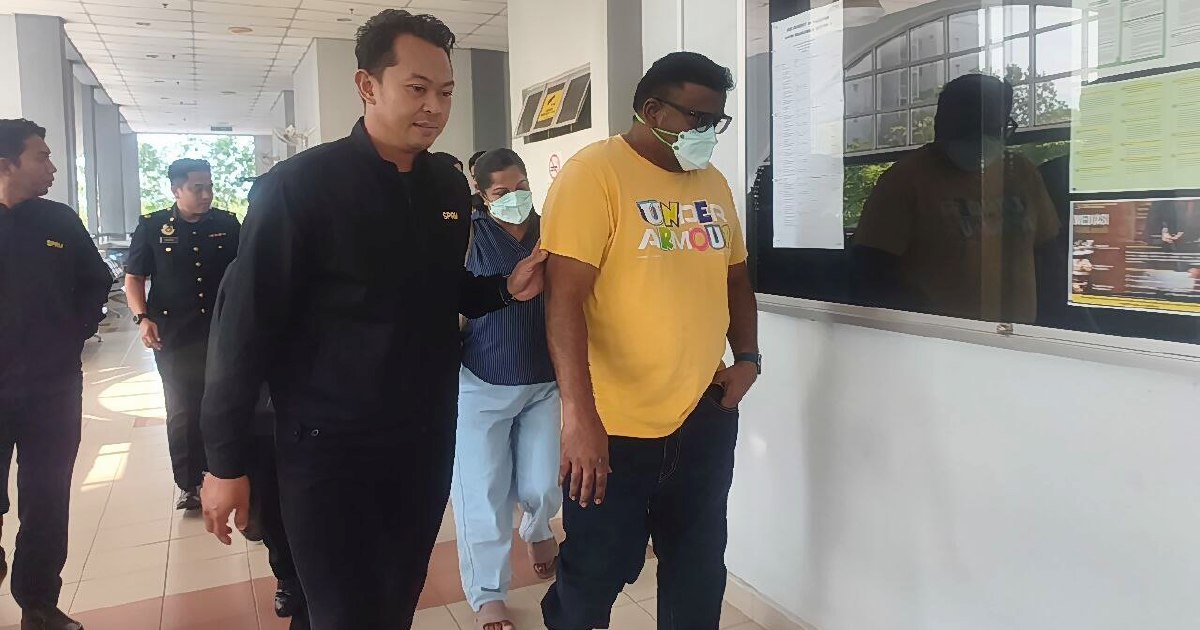
Three individuals, comprising a married couple and a separate defendant, have denied charges relating to the submission and facilitation of fraudulent benefit claims to Perkeso at the Seremban Sessions Court. The case represents an escalation in authorities' focus on detecting and prosecuting social security fraud, which has become an increasingly prevalent problem across Malaysian welfare institutions as organised syndicates exploit system vulnerabilities.
The charges against the defendants centre on the deliberate misrepresentation of eligibility criteria and circumstances to obtain financial incentives they were not entitled to receive from the Social Security Organisation. Perkeso, which administers mandatory social insurance schemes covering disability, invalidity, and occupational injury, has substantially tightened its verification procedures in recent years following numerous fraud discoveries involving false documentation and fabricated work histories.
The decision to prosecute cases involving coordinated schemes—particularly those involving family members or close associates—reflects growing recognition among enforcement agencies that systematic abuse represents a material threat to scheme sustainability. When multiple individuals work in concert to defraud social security systems, authorities typically pursue more aggressive legal responses than in isolated incidents, recognising the organised nature of the conduct and the potential for recurrence or expansion of such networks.
Perkeso plays a fundamental role in Malaysia's social protection architecture, providing crucial financial safeguards for workers facing income disruption through injury, disability, or death-related circumstances. The organisation manages contributions from both employers and workers, with funds pooled to ensure collective protection against defined contingencies. When individuals fraudulently access these resources, they effectively redistribute legitimate claimants' contributions to their own benefit, potentially undermining the system's financial stability and eroding public confidence in institutional integrity.
The emergence of this case in Negeri Sembilan follows other high-profile prosecutions across Malaysia involving welfare fraud schemes. In recent years, authorities have uncovered increasingly sophisticated methods of misrepresentation, including the use of forged medical certificates, fabricated employer documentation, and the establishment of shell companies designed to create false employment records. The scale and organisation of certain syndicates have prompted legislative review and resource allocation to investigative units specialising in social security fraud.
For Malaysian workers and employers alike, such cases carry significant implications regarding the sustainability and trustworthiness of national welfare provision. The financing model of Perkeso depends fundamentally on broad participation and payment compliance; widespread fraud erodes this foundation by requiring legitimate contributors to subsidise illegitimate claims. This dynamic can ultimately result in higher contribution rates or reduced benefits for compliant members, effectively penalising honest participants.
The court proceedings will likely examine evidence relating to claim documentation, supporting materials submitted with applications, and the communications and relationships between the three defendants that might demonstrate coordinated intent. Investigators typically focus on inconsistencies between presented circumstances and verifiable facts, including employment records, medical assessments, and financial transactions that contradict stated circumstances.
The inclusion of a married couple among the defendants suggests the investigation identified a household-level scheme rather than purely individual opportunism. Such arrangements frequently involve one spouse maintaining ostensible employment status whilst both benefit from fraudulently obtained payments, or alternatively, involve the fabrication of domestic circumstances designed to secure additional allowances or supplementary benefits. The involvement of a third party implies either recruitment into an existing scheme or coordination across multiple household units.
Perkeso's fraud detection capabilities have improved substantially through enhanced digital verification systems and cross-referencing with other government agencies' databases. Employment records, medical registry information, and tax authority data now integrate more seamlessly, enabling investigators to identify discrepancies between claimed circumstances and actual documentation. However, as detection methods advance, fraudsters continuously adapt methodologies, creating ongoing challenges for compliance and enforcement personnel.
The outcome of this Seremban case will likely establish precedent regarding sentencing guidelines for coordinated welfare fraud involving multiple defendants. Courts have increasingly recognised the distinction between isolated opportunistic claims and systematic schemes, with longer custodial sentences and higher financial penalties applied to organised cases. This differentiation aims to create meaningful deterrent effects against sophisticated fraud operations whilst maintaining proportionality for individuals committing isolated infractions.
For Southeast Asian countries examining their own social security arrangements, Malaysia's experience with welfare fraud prosecution offers instructive lessons regarding the necessity of robust verification infrastructure and coordinated enforcement responses. As developing economies expand welfare coverage to broader populations, the potential for fraud simultaneously increases, requiring corresponding investment in preventive and prosecutorial mechanisms to ensure scheme viability and equitable resource distribution.
Beyond the immediate criminal proceedings, this case underscores the broader challenge facing Malaysian policymakers: balancing accessibility of social protection with effective fraud prevention. Systems designed with minimal verification barriers may encourage legitimate participation but simultaneously enable unauthorised claiming. Conversely, excessively stringent processes may deter eligible individuals from accessing entitlements they legitimately require. The resolution of such tensions requires continuous calibration based on empirical fraud data and beneficiary needs assessment.

