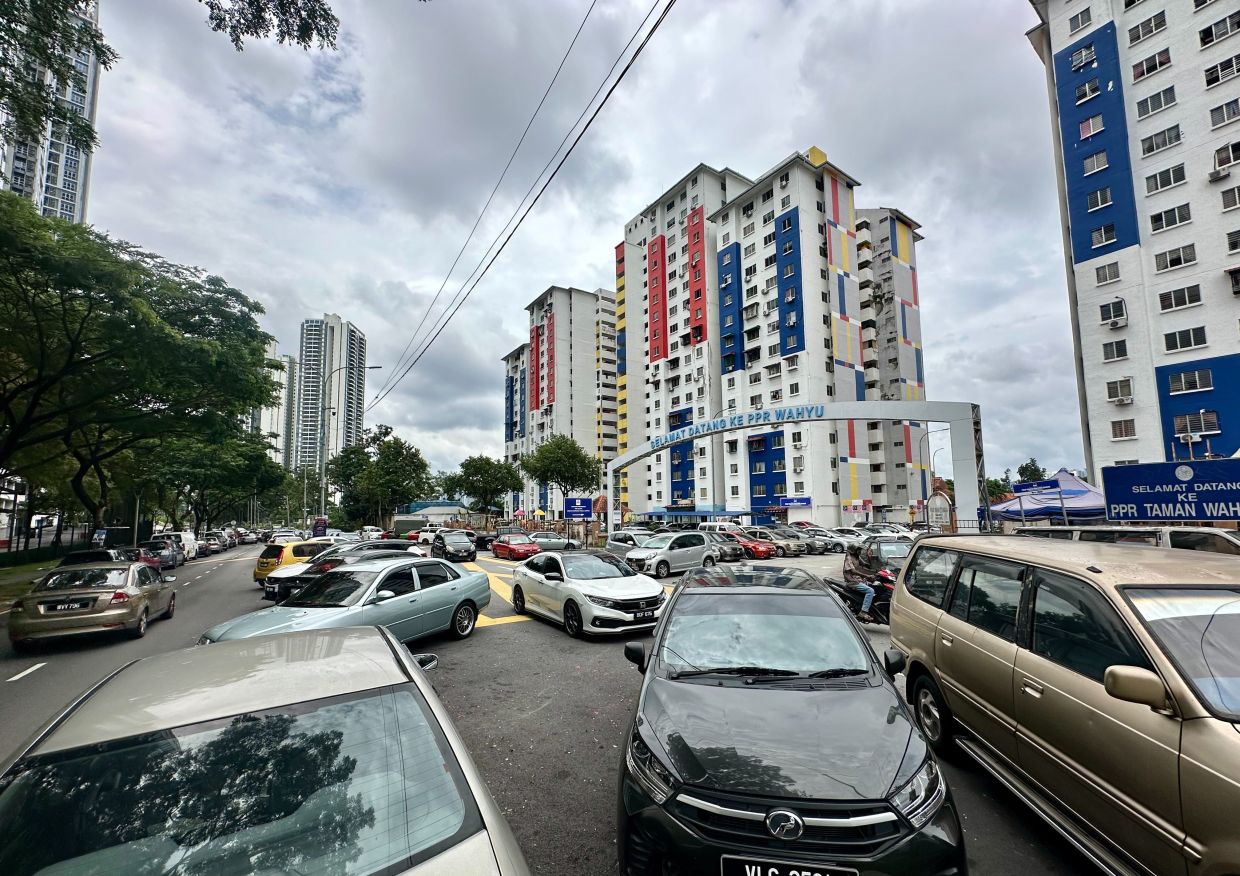
A significant security breach has forced Malaysian local councils to pause enforcement of parking violations, offering temporary relief to motorists struggling with a disabled payment system that serves millions across the country. The cyberattack targeted the Flexi Parking application, which processes street parking, off-street parking, and compound payment transactions for hundreds of thousands of vehicles nationwide. The disruption spread across 64 local councils, making this one of the most extensive digital infrastructure failures affecting Malaysia's municipalities in recent times.
Datak Ng Suee Lim, chairman of Selangor's local government committee, announced the temporary moratorium on summonses during remarks made on Wednesday, July 1. He explained that the decision stems from recognition that commuters cannot reasonably comply with parking payment obligations when the digital platforms designed to facilitate those transactions are offline. The suspension reflects a pragmatic acknowledgment that enforcement during a system outage would be fundamentally unjust, punishing citizens for circumstances beyond their control.
The timing of the announcement came as Ng visited the newly-opened Stadium Shah Alam LRT station, a project representing the kind of urban infrastructure development that depends on functional supporting systems like parking management. The contrast between new transportation facilities and the disabled payment systems underscored the vulnerability of Malaysia's increasingly digitised municipal services. Such dependencies highlight how a single point of failure in a centralised platform can cascade across multiple jurisdictions and affect millions of residents.
The security incident itself involved what officials describe as a hack targeting data transactions within the Flexi Parking ecosystem. The breach occurred over a 48-hour window and succeeded in disabling payment processing across both Selangor and several other states that have integrated with the same nationwide platform. The sophistication required to compromise a system serving this many users across different geographical jurisdictions suggests either advanced technical capabilities or significant vulnerabilities in the system's architecture that warrant serious investigation.
State authorities made the decision to take the entire system offline temporarily, prioritising data protection and forensic investigation over service continuity. This defensive response indicates that cybersecurity officials determined the breach posed ongoing risks to user information if systems remained operational. The suspension enables technical teams to examine the full extent of the compromise, identify vulnerabilities, and implement stronger protections before restoring functionality. Such precautions are essential when financial transaction data and personal information are at stake.
A critical aspect of Ng's statement involved clarifying where responsibility for the breach lies within Malaysia's complex public-private partnership arrangements. He emphasised that the vulnerability did not originate with Rantaian Mesra Sdn Bhd (RMSB), the private concessionaire managing Selangor's Intelligent Parking system. Instead, the compromise targeted the centralised Flexi Parking platform that was recently brought online to unify parking management across multiple major municipalities including Shah Alam, Subang Jaya, and Selayang. This distinction matters significantly for understanding governance accountability and future system improvements.
The transition to a nationwide unified parking payment system, while theoretically improving efficiency and user experience, introduced new vulnerabilities by consolidating previously separate systems into a single target. The integration created a high-value objective for potential attackers, as compromising one centralised platform affects all connected councils and users simultaneously. This represents a classic cybersecurity challenge in government digitalisation: the trade-off between operational efficiency gains and increased security risk concentration. Malaysia's experience here offers important lessons for other Southeast Asian nations implementing similar unified platforms.
The implications for Malaysia's broader digital economy deserve consideration alongside immediate operational concerns. Public confidence in government digital services depends on demonstrable security practices and transparent communication about breaches. Ng's commitment that technical teams are working to resolve the crisis and restore secure services addresses the confidence-building imperative, though the speed and completeness of recovery will ultimately determine public trust in future iterations of centralised payment platforms. Delays or incomplete fixes could foster lingering hesitation about digital payment adoption among less-confident users.
For motorists in affected areas, the suspension provides temporary financial relief during the outage but also creates uncertainty about when normal parking operations will resume. Those accustomed to digital transactions face the inconvenience of the system disruption, while those who prefer manual payment methods may experience additional friction if alternative payment channels are not adequately supported during the recovery period. The municipality's communication about the timeline and status of repairs will be crucial in managing public expectations.
The broader governance question concerns how Malaysia's public authorities oversee private concessionaires and centralised platforms handling critical municipal services. The fact that a single security breach could disable parking payment systems across 64 councils suggests insufficient redundancy and perhaps inadequate security standards in the procurement requirements. Future infrastructure projects of this scale should incorporate mandatory security audits, penetration testing requirements, and clear contractual penalties for security failures.
Selangor's experience also raises questions about inter-state cooperation on digital infrastructure standards. If the Flexi Parking platform serves councils in multiple states beyond Selangor, recovery and security improvements will require coordination across state boundaries. This complexity underscores why establishing national cybersecurity standards and incident response protocols for critical municipal services represents an increasingly urgent priority for Malaysia's digital governance framework.
Looking forward, the council suspension of summonses during the outage establishes a useful precedent: that enforcement actions should pause when system failures prevent compliance. However, the broader lesson concerns the need for more robust, decentralised, and security-hardened approaches to essential public services. As Malaysia continues investing in digital transformation of government services, incidents like this provide valuable feedback on the need to balance innovation with resilience.

