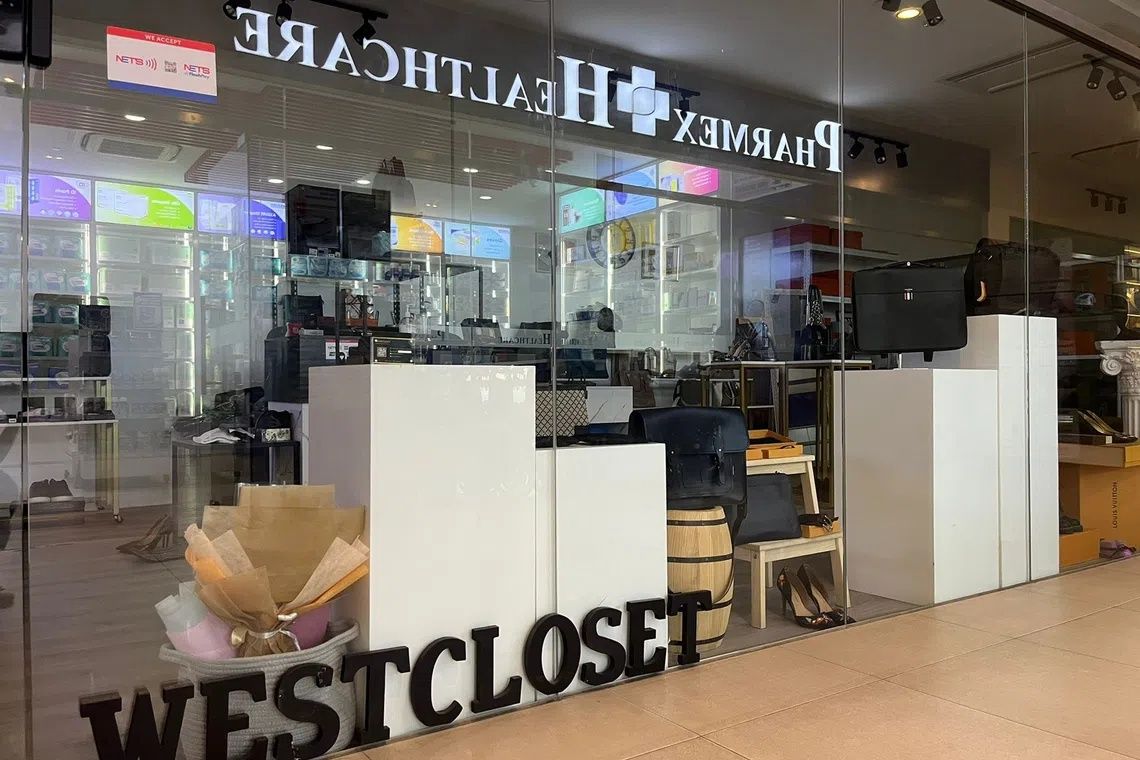
A Singapore court has handed down an eight-month jail sentence to Ringga Dwi Rizky Irianto, 36, an Indonesian national who operated West Closet, a consignment store specializing in luxury handbags at the OUE Downtown Gallery shopping mall on Shenton Way. The operator pleaded guilty to systematically misappropriating funds totaling nearly S$140,000 from five separate victims who had consigned their designer bags—primarily Hermès and Chanel items—through her business. Beyond the custodial sentence handed down on Thursday, August 13, Irianto has already partially compensated her victims with S$41,000 in restitution and faces an additional outstanding compensation order of S$91,950. Should she fail to meet this payment obligation, she will serve an extra 24 days behind bars.
The case reveals the vulnerabilities of digital-age consumer transactions, particularly within niche luxury goods markets where trust plays a fundamental role. West Closet marketed its consignment services aggressively through popular platforms including Carousell, Instagram, and other social media channels, projecting an image of legitimacy and professionalism. The business model itself appeared straightforward to customers: owners would deposit their handbags at the store for a standard 60-day consignment period, with a S$60 penalty imposed if items were not retrieved within that timeframe. The store would then handle the sale of these luxury items and take a commission ranging from S$200 to S$900 depending on the transaction value, with the remainder remitted to the original owner.
The fraud scheme unfolded through what appears to have been a calculated pattern of misappropriation rather than sporadic theft. One victim illustrates the modus operandi: in July 2022, a customer consigned three bags—two Hermès and one Chanel—to West Closet with a guaranteed return of S$51,000 upon sale. The store provided written assurance that payment would be credited to the customer's bank account within seven days of sale completion. When Irianto successfully sold all three bags, generating the promised S$51,000, she instead diverted the entire proceeds toward satisfying another customer's order rather than remitting payment to the rightful owner. This pattern repeated with a second victim, from whom Irianto misappropriated S$33,500 from a Hermès bag sale, and a third victim who lost S$23,500 through an identical scheme.
Three counts of criminal breach of trust formed the basis of her guilty plea, collectively involving S$108,000 from three separate victims. Two additional charges related to the remaining two victims and outstanding amounts were factored into the sentencing considerations by the court, though Irianto did not formally contest these. Deputy Public Prosecutor Darren Sim outlined how the defendant systematically exploited the trust inherent in consignment transactions, taking advantage of the delayed nature of luxury goods sales where customers must wait weeks or months to receive payment.
Irianto's arrest occurred in September 2022, though formal charges were not laid until 2024—a delay that likely reflects the investigation's complexity and the need to trace individual transactions and victim accounts. The timeline between arrest and charging raises questions about resource constraints within Singapore's law enforcement and prosecution systems, though such delays are not uncommon in financial crime cases requiring detailed forensic accounting. Her bail was set at S$15,000, and she is scheduled to begin her jail sentence in October, following the appeals process and administrative procedures.
The case carries particular significance for Malaysia and the broader Southeast Asian region, where consignment and second-hand luxury goods markets have expanded dramatically in recent years. Digital platforms facilitating these transactions—from dedicated apps to social media marketplaces—have democratized access to high-end fashion items but simultaneously created opportunities for fraud. Malaysian consumers increasingly utilize similar consignment services, often without robust legal protections or third-party safeguards. Unlike traditional retail environments with established regulatory frameworks, the digital consignment ecosystem remains relatively unregulated, leaving individual sellers vulnerable to operators who prioritize cash flow over customer commitments.
The West Closet case demonstrates how business models dependent on customer trust can collapse when operators face cash flow pressures or financial difficulties. The commission-based revenue structure, while seemingly sustainable, may incentivize operators to treat customer deposits as available working capital rather than held-in-trust funds. For Malaysian consumers considering consignment services—whether for luxury bags, watches, jewelry, or other high-value items—this case underscores the necessity of thorough due diligence before entrusting valuable possessions to third parties. Critical steps include verifying business registration, seeking references from previous customers, requesting written guarantees with specific timelines, and considering whether the operator maintains segregated customer accounts or holds customer funds in trust arrangements overseen by financial institutions.
Under Singapore law, criminal breach of trust carries a maximum penalty of seven years imprisonment, a fine, or both, reflecting the legal system's serious treatment of fiduciary violations. Irianto's eight-month sentence sits substantially below the maximum, likely reflecting her guilty plea, cooperation with authorities, and demonstration of partial restitution. The compensation order—exceeding the jail term's duration in terms of financial accountability—signals the court's emphasis on victim restitution as a fundamental sentencing objective. However, the enforceability of such orders against foreign nationals presents practical challenges, particularly if the defendant lacks substantial assets or employment prospects following release.
The broader implications extend beyond Singapore's borders, particularly for regional consumers who may purchase consignment services from operators based in neighboring countries or who operate across multiple jurisdictions via digital platforms. The absence of standardized consignment regulations across ASEAN nations creates regulatory arbitrage opportunities where less scrupulous operators can exploit gaps between jurisdictions. Malaysian authorities and consumer protection agencies might consider this case as a catalyst for reviewing consignment service regulations, potentially establishing licensing requirements, mandatory reserve funds, or third-party trust account arrangements that would protect consumers without stifling legitimate business operations.
For the luxury goods market specifically, this case highlights why many established high-end retailers and authentication services increasingly offer official consignment programs with stringent financial controls. The reputational and legal costs of individual operator fraud ultimately benefit large, regulated institutions that can afford compliance infrastructure. Consumer education campaigns—particularly targeting younger, digitally-native shoppers more likely to utilize online consignment platforms—should emphasize verification protocols and the red flags indicating potentially untrustworthy operators. The case also raises questions about platform liability: should Carousell and Instagram bear some responsibility for inadequate vetting of commercial operators using their services for high-value transactions?

