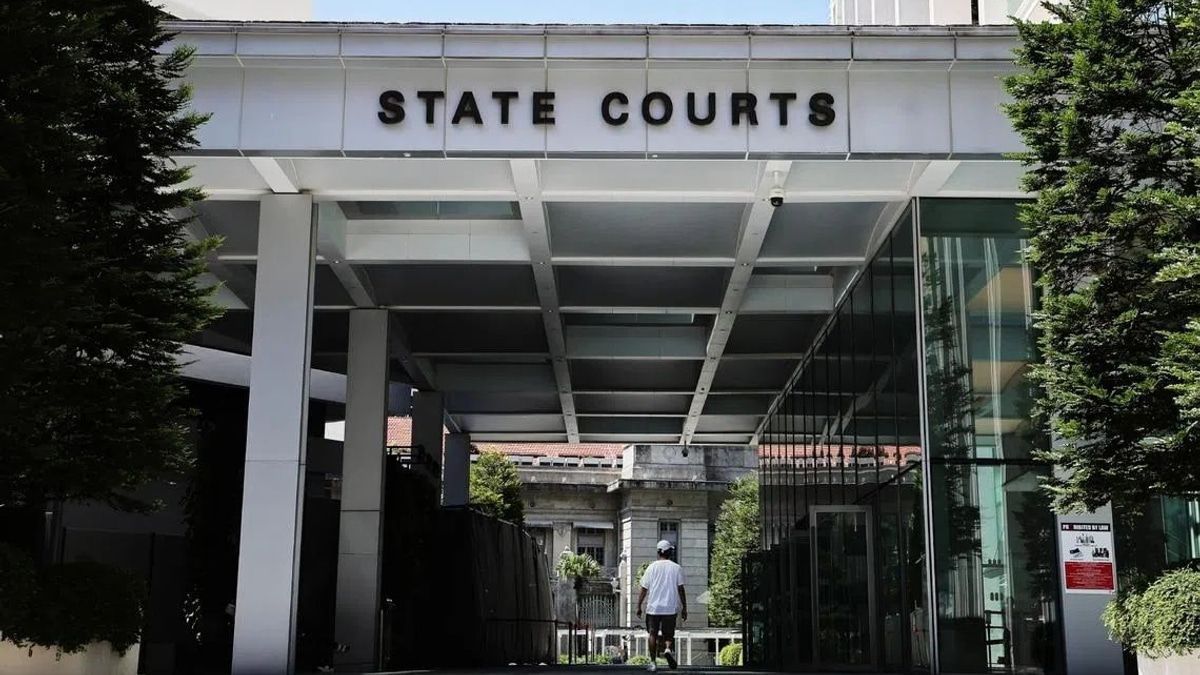
Malaysia's Chief Justice Tun Wan Ahmad Farid Wan Salleh has clarified that the Malaysian Anti-Corruption Commission operates within established legal boundaries when deciding whether to impose financial compounds or negotiate settlements in corruption cases. The judiciary's top official confirmed that such enforcement mechanisms represent a discretionary tool available to anti-corruption authorities rather than a matter requiring judicial intervention at the outset.
This pronouncement carries significance for ongoing public discourse about the MACC's prosecutorial strategy and independence. The distinction between judicial oversight and administrative discretion has become increasingly relevant as the anti-corruption agency navigates high-profile investigations involving political figures, corporate executives, and government officials. The Chief Justice's statement effectively reinforces the institutional separation of powers while acknowledging that enforcement agencies require operational flexibility to manage their caseloads effectively.
Compounds—essentially financial penalties imposed without proceeding to full trial—offer a middle ground between investigation and prosecution. For the MACC, these arrangements can resolve cases efficiently while still holding individuals accountable. Settlements, similarly, allow parties to reach agreement on liability and remedial action without protracted litigation. Both mechanisms require careful calibration to balance public interest with practical case management, and enforcement agencies must exercise judgment about when such approaches serve justice most effectively.
The legal framework governing these powers stems from Malaysia's corruption statutes and procedural laws that explicitly grant the MACC authority over investigation and enforcement decisions. However, the public nature of corruption allegations means that exercise of this discretion inevitably attracts scrutiny. Critics sometimes question whether compounds represent appropriate accountability for serious offences, while defenders contend that such tools enable swift resolution and financial recovery that might otherwise be delayed through lengthy trials.
For Malaysian businesses and individuals subject to MACC investigation, this clarification offers procedural insight. Those facing corruption allegations now have formal judicial acknowledgement that the agency can lawfully engage in settlement discussions as an alternative to prosecution. This recognition may encourage more structured negotiations between the MACC and suspects, potentially reducing the adversarial nature of some enforcement actions while maintaining institutional integrity.
The regional context matters here as well. Other Southeast Asian jurisdictions employ similar compound and settlement mechanisms within their anti-corruption frameworks. Thailand, Indonesia, and Singapore all grant their respective agencies comparable discretionary powers. Malaysia's Chief Justice alignment with this regional practice suggests a consistent jurisprudential approach across the region, though each country applies these tools with varying intensity and public accountability measures.
Critical questions remain about transparency in how the MACC exercises this discretion. Which cases qualify for compound consideration? What factors determine settlement terms? How are decisions documented and reviewed? These procedural details significantly impact public confidence in the anti-corruption regime. While the Chief Justice's statement affirms the MACC's legal authority, it does not address whether existing oversight mechanisms—such as parliamentary committees or inspector-general reviews—adequately monitor compound decisions or whether additional safeguards might strengthen public trust.
The timing of this judicial clarification suggests response to recent debates about MACC settlement practices. Several high-profile cases have involved compounds or settlements, prompting questions about whether the agency was pursuing sufficiently stringent accountability measures. The Chief Justice's statement essentially reinforces that such decisions fall within established legal frameworks, though it leaves substantive policy questions about the appropriate use of these tools to the MACC itself and political leaders who oversee the agency.
For prosecutors within the MACC, this declaration validates their authority to pursue negotiated resolutions without requiring judicial pre-approval. This reduces bureaucratic friction and empowers case officers to engage in meaningful settlement discussions. However, it simultaneously places greater responsibility on the agency to exercise this discretion wisely and transparently, knowing that judicial deference does not shield the MACC from public or political criticism if enforcement decisions appear inconsistent or inadequate.
Moving forward, the Chief Justice's pronouncement establishes clearer boundaries in corruption enforcement while leaving operational details to the MACC. This approach respects institutional specialisation—judges interpreting law, enforcement agencies implementing it—yet potentially creates accountability gaps. Observers have suggested that more structured guidelines governing compound decisions, perhaps published as MACC enforcement protocols, could enhance both fairness and public confidence without compromising the agency's investigative independence.
The statement ultimately reflects Malaysia's gradual refinement of its anti-corruption machinery. As the MACC matures as an institution and tackles increasingly complex financial crime, legal clarifications about its procedural authority become essential. The Chief Justice's confirmation that compounds and settlements represent legitimate enforcement tools provides the agency with needed clarity, though translating this legal authority into just and effective practice remains an ongoing institutional challenge.