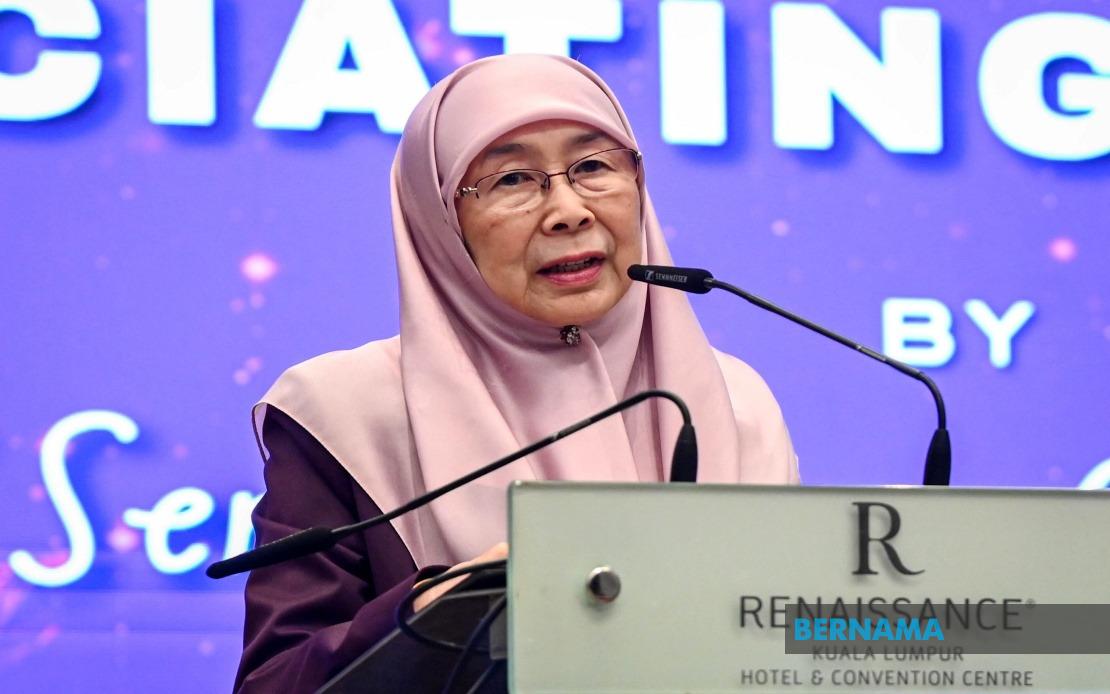
Maternal healthcare excellence cannot be measured by clinical outcomes alone, according to Datuk Seri Dr Wan Azizah Wan Ismail, who has called for compassion to remain at the centre of healthcare innovation. Speaking at the launch of the 16th Malaysian Obstetric Anaesthesiology Symposium (MyOASym) 2026 in Kuala Lumpur, the Prime Minister's wife emphasised that the human element is irreplaceable in patient care, even as medical technology continues to evolve.
Wan Azizah underscored the critical importance of preserving dignity and respect for mothers and their families throughout the journey from pregnancy through childbirth. She articulated a vision of excellence that extends beyond laboratory readings and surgical success rates to encompass the emotional and psychological wellbeing of patients during one of life's most transformative experiences. This broader definition of healthcare quality reflects a growing global recognition that patient satisfaction and holistic support are integral to genuine medical success.
The Bandar Tun Razak Member of Parliament highlighted a concerning trend in contemporary obstetrics: the rising complexity of maternal cases driven by multiple demographic and health factors. Advanced maternal age, increasing obesity rates among pregnant women, complicated cardiac conditions during pregnancy, and life-threatening obstetric haemorrhage now represent significant challenges for Malaysian healthcare systems. These complications demand not merely technological advancement but also heightened clinical vigilance and sophisticated problem-solving capabilities from healthcare teams.
Addressing these escalating challenges requires a fundamental shift in how healthcare professionals are trained and organised. Wan Azizah advocated strongly for the systematic implementation of multidisciplinary simulation training programmes that bring together anaesthesiologists, obstetricians, and neonatologists in structured learning environments. Such collaborative training exercises strengthen cross-functional communication and develop the coordinated response mechanisms essential when managing obstetric emergencies that threaten both maternal and fetal survival.
The integration of early warning systems within maternal healthcare units, combined with organisational cultures that explicitly prioritise transparent communication, can substantially reduce the incidence of adverse outcomes in high-risk situations. Wan Azizah noted that fragmented, siloed working practices within healthcare institutions undermine patient safety and hinder the rapid escalation of concerns when complications arise. Breaking down these professional barriers through regular team-based simulations and clear communication protocols transforms potential crises into survivable situations.
For aspiring and established healthcare professionals, Wan Azizah offered practical guidance grounded in both clinical reality and human values. Young doctors and nurses must cultivate intellectual curiosity and commit to continuous learning throughout their careers, recognising that medical science evolves constantly and yesterday's best practices may become outdated. Simultaneously, they should actively seek mentorship from experienced colleagues, view questioning as a strength rather than weakness, and extract learning opportunities from every clinical encounter.
Equally important as technical proficiency is the development of genuine empathy alongside clinical skills. This dual cultivation ensures that healthcare professionals deliver treatment within a framework of emotional intelligence and human understanding. The ability to communicate complex medical information compassionately, to acknowledge patient fears, and to make families feel heard and valued elevates the entire healthcare experience beyond transactional clinical delivery.
The symposium itself reflects Malaysia's positioning as a regional hub for advanced medical training and knowledge exchange. The gathering drew healthcare professionals not only from across Malaysia but also from Singapore, Hong Kong, and Pakistan, indicating the country's reputation for rigorous obstetric and anaesthetic training standards. This international participation enriches the learning environment and facilitates the cross-pollination of best practices across borders, particularly valuable given similar demographic and epidemiological challenges faced by Southeast Asian and South Asian nations.
The emphasis on maternal healthcare quality has particular resonance in Malaysia, where obstetric care represents both a significant healthcare expenditure and a deeply human endeavour affecting families across all socioeconomic strata. Improving outcomes in high-risk pregnancies through enhanced teamwork, simulation training, and compassionate care reduces both mortality and morbidity while strengthening public confidence in the healthcare system. The message that innovation and humanity need not exist in tension—that technology serves people rather than replacing human connection—provides crucial guidance as Malaysian healthcare institutions continue modernising their facilities and practices.

