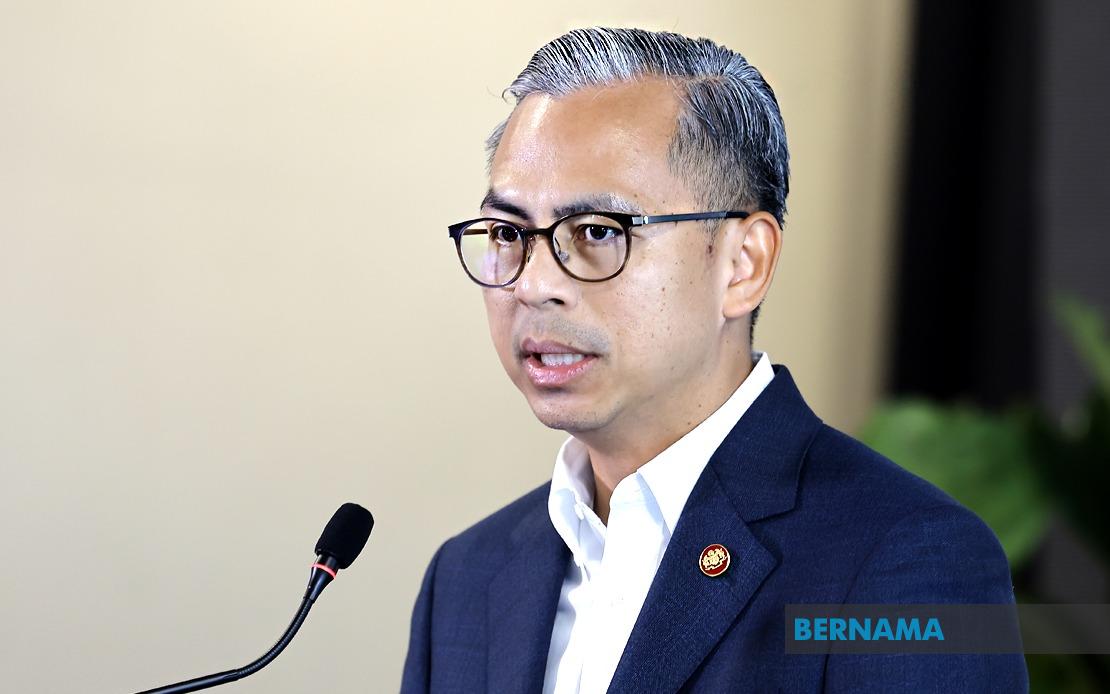
Communications Minister Datuk Fahmi Fadzil has been accorded the highest individual honour in Penang's upcoming state awards ceremony, receiving the Darjah Panglima Pangkuan Negeri (DPPN) title and the distinction of Datuk Seri. The investiture programme, commencing tomorrow, marks the 85th birthday celebrations of Penang Governor Tun Ramli Ngah Talib and will see a total of 1,221 individuals recognised across various categories of state honours, awards and medals.
Fahmi's appointment to the DPPN represents an exclusive recognition, as he stands as the sole recipient of this particular award this year. In his dual capacity as the nation's Communications Minister and official spokesperson for the Unity Government, Fahmi has been singled out for what the state considers its most prestigious individual honour. The award reflects his standing within both state and federal political structures, underscoring his role in the administration's communications strategy since the formation of the Unity Government framework.
Beyond Fahmi's singular honour, the awards ceremony will distribute the Darjah Gemilang Pangkuan Negeri (DGPN), which also confers the Datuk Seri title, to a broader group of 19 recipients. This category encompasses a diverse cross-section of institutional leadership, including Chief Judge of Malaya Datuk Seri Hashim Hamzah, whose judicial role places him at the apex of the Malayan court system. Also included are corporate and statutory authority heads such as MARA Incorporated chairman Datuk Abdul Halim Mohammad and Invest Penang chief executive officer Datuk Loo Lee Lian, reflecting the state's recognition of those driving economic development and industrial investment initiatives.
The DGPN honour list further incorporates prominent business figures and managing directors from significant enterprises. Pelita Samudra Pertama managing director Tan Sri D. Murugan, Menara Rezeki managing director Datuk Saiful Nizam Mohd Yusoff and M Summit Group chairman Datuk Moh See Eng are among those receiving this recognition, demonstrating that the awards system extends beyond government figures to encompass the private sector's contributions to the state's economy and development agenda.
At the next tier, nine individuals will receive the Darjah Yang Mulia Pangkuan Negeri (DMPN) carrying the Datuk title, with former Penang police chief Datuk Azizee Ismail and UEM Group managing director Datuk Amran Hafiz Affifudin among this cohort. Meanwhile, 72 recipients have been selected for the Darjah Setia Pangkuan Negeri (DSPN), also conferring the Datuk title. This category illustrates the breadth of the awards programme, encompassing deceased cultural figures such as renowned filmmaker and scriptwriter Nordin Ahmad, alongside serving public officials including NADMA director-general Datuk Meor Ismail Meor Akim and Bank Rakyat chairman Datuk Mohd Irwan Mohd Mubarak.
The DSPN recipients additionally include development-focused officials and project managers instrumental in Penang's infrastructure advancement. Penang Development Corporation CEO Abdul Latiff Abd Aziz, SRS Projek Transit Aliran Ringan project director Adil Putra Ahmad and Deputy State Secretary (Development) Mohamed Abdul Rahman have all been recognised in this category, reflecting the state government's desire to honour those executing major developmental initiatives, particularly in the critical area of rapid transit infrastructure expansion.
Beyond the Datuk-level awards, the ceremony encompasses significantly larger cohorts at each descending tier. A total of 92 individuals will receive the Darjah Johan Negeri, while 31 others will be conferred the Bintang Cemerlang Negeri. The awards framework then expands considerably through service-related categories, with 194 recipients of the Pingat Kelakuan Terpuji recognising exemplary conduct, 328 receiving the Pingat Jasa Kebaktian for meritorious service, and 463 recipients of the Pingat Jasa Masyarakat honouring community contributions. The final category, the Pingat Bakti Setia, will be awarded to 12 individuals.
According to Penang State Legislative Assembly Speaker Datuk Seri Law Choo Kiang, who chairs the State Government Official Ceremonies Committee, the investiture programme will unfold across four consecutive days, beginning tomorrow and continuing through July 13 to 15. The extended ceremony underscores the logistical scale of recognising over a thousand recipients and allows adequate time for each recipient to be formally acknowledged and for the proceedings to maintain appropriate ceremonial standards.
Of the 1,221 total recipients, 101 individuals will receive formal state honours that carry titles and distinctions, while the remaining 1,120 recipients will receive awards and medals of merit. This distinction reflects a traditional honours system structure, wherein the upper categories carry more significant titles and social standing, while the lower categories recognise service and contributions through medals without titular elevation. Law's statement emphasised that this year's recipient pool reflects the state's comprehensive approach to recognition, encompassing representatives from the state and federal civil services, elected politicians, prominent corporate figures, non-governmental organisation members, local entrepreneurs and volunteer organisations. This breadth demonstrates that Penang's honours system aims to acknowledge excellence and service across multiple sectors of society rather than concentrating recognition within any single institutional domain.
The ceremony itself represents a significant state occasion, leveraging the governor's birthday celebrations to conduct a formal review of distinguished service and achievement across the state. For recipients like Fahmi, such recognition carries implications beyond ceremonial importance, as state honours in Malaysia often reflect and reinforce political positioning within both state and national frameworks. For corporate and civil service recipients, the awards validate their institutional contributions and professional standing within Penang's broader development ecosystem. The four-day schedule acknowledges both the logistical requirements of such a large-scale event and the ceremonial significance traditionally accorded to formal investiture in Malaysian state honours protocols.

