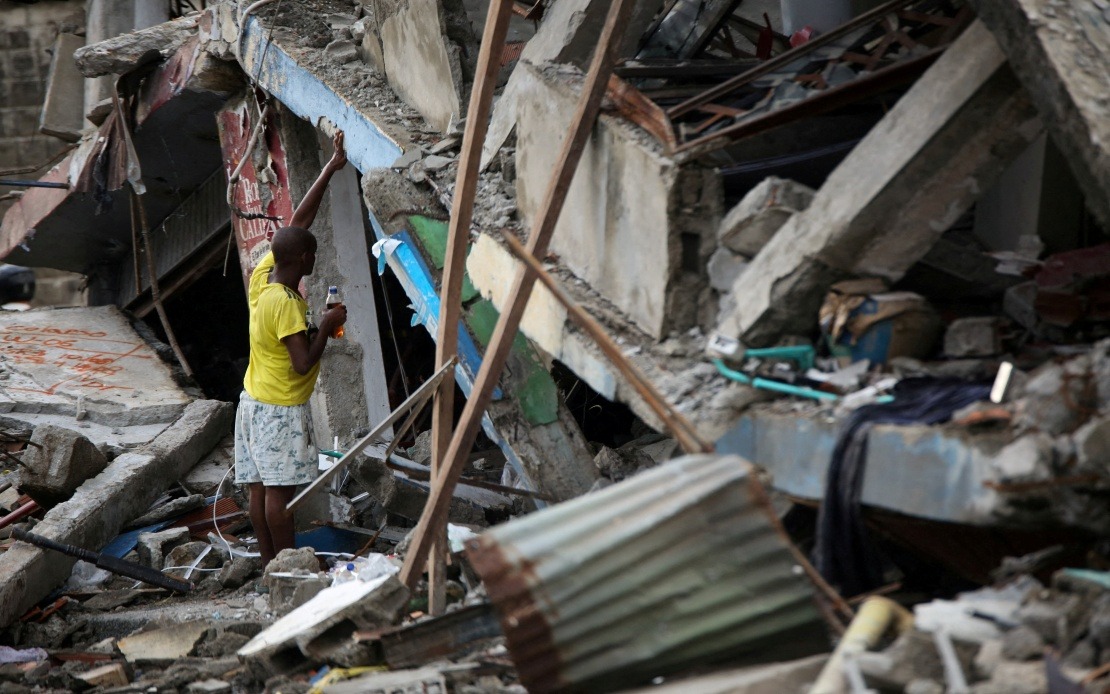
Colombia is confronting an exceptional crisis unfolding across multiple fronts, with emergency response agencies struggling to manage widespread wildfires whilst simultaneously coordinating disaster recovery from a powerful earthquake. The combination of natural disasters has created a strain on national resources rarely seen in recent history, forcing authorities to divide attention and personnel between two major emergencies that are unfolding simultaneously across different regions of the country.
The wildfire situation has reached alarming proportions in recent days. According to the Institute of Hydrology, Meteorology and Environmental Studies (IDEAM), 344 municipalities have been placed under red alert status due to wildfire threats. This represents a staggering surge of 93 per cent in a single day, driven by exceptionally severe heat and arid conditions gripping much of the nation. The scale of the alert demonstrates just how rapidly the fire situation has deteriorated, overwhelming local and regional capacity to respond effectively.
The geographic spread of the fires is particularly concerning, with the National Unit for Disaster Risk Management reporting dozens of active conflagrations concentrated across the departments of Tolima, Cesar, Norte de Santander, Antioquia, Narino and Santander. This distribution across multiple regions means that resources must be stretched thin, with firefighting crews, military units and aerial support being deployed from across the country in what has become a coordinated national effort. Despite these mobilisations, authorities have openly acknowledged that staffing levels remain inadequate to handle the scope of the emergency.
The destruction wrought by these fires has been substantial. Across multiple municipalities, the loss of vegetation, agricultural crops and residential structures has exceeded 11,000 hectares. This translates to widespread devastation affecting both agricultural communities that depend on crop production and rural settlements where homes have been consumed. The environmental damage extends beyond immediate property loss, as the destruction of forest and vegetation cover can have long-term implications for soil stability, water retention and biodiversity in affected regions.
The timing of these wildfires is particularly cruel given that Colombia is still reeling from the 7.4 magnitude earthquake that struck on August 10. The death toll from that disaster stands at 288 people, with a further 4,018 injured. The physical infrastructure damage was extensive, with 12,504 homes completely destroyed and more than 80,000 structures suffering varying degrees of damage. Emergency services and military units have been deployed en masse in earthquake-affected areas, meaning that when the fires began their rapid spread, many of the nation's most experienced disaster response personnel were already fully committed elsewhere.
This overlap between two major disasters has created a cascading resource crisis. Firefighting crews from various departments, including Risaralda which was itself affected by the earthquake, have been reassigned to tackle the fires. However, officials have made clear that these crews are understaffed relative to the scale of the emergency. The decision to move resources from earthquake recovery operations to firefighting represents an agonising choice between competing needs, with both crises demanding immediate attention and resources that simply do not exist in sufficient quantity.
Meteorological forecasts suggest that conditions are unlikely to improve in the near term. IDEAM projections indicate a 90 per cent probability that El Niño conditions will persist through the early months of 2027. These warm water patterns in the Pacific Ocean typically drive increased heat across Colombia, and forecasters expect intense heat anomalies to peak towards the end of the current year. This suggests that wildfire conditions may remain elevated for several more months, potentially complicating recovery efforts well into 2027.
The crisis has been further complicated by the need to simultaneously monitor heightened volcanic activity at Purace in the southern department of Cauca. Authorities must therefore contend with three major natural hazards at once, each requiring specialist expertise and resources. The possibility of a volcanic eruption would represent a third catastrophic event unfolding in parallel, adding another dimension to an already stretched emergency management system.
For Malaysia and the broader Southeast Asian region, Colombia's experience underscores the vulnerability of developing nations when multiple natural disasters coincide. The country's challenges in coordinating response across different disaster types and geographic regions echo concerns that have surfaced in Southeast Asia, particularly following the 2004 Indian Ocean tsunami and more recent earthquakes and typhoons. The lesson appears to be that disaster preparedness systems must be sufficiently robust to handle simultaneous crises rather than single events, a standard that many developing nations still struggle to meet.
The interconnected nature of these emergencies also highlights how climate patterns amplify natural disaster risk. The persistence of El Niño conditions through 2027 means that heat-related dangers will remain elevated across Colombia for an extended period, potentially triggering secondary disasters as weakened landscapes fail in unexpected ways. For a nation already dealing with earthquake damage, this extended period of heat stress presents ongoing hazard that cannot be easily mitigated through conventional disaster response alone.

