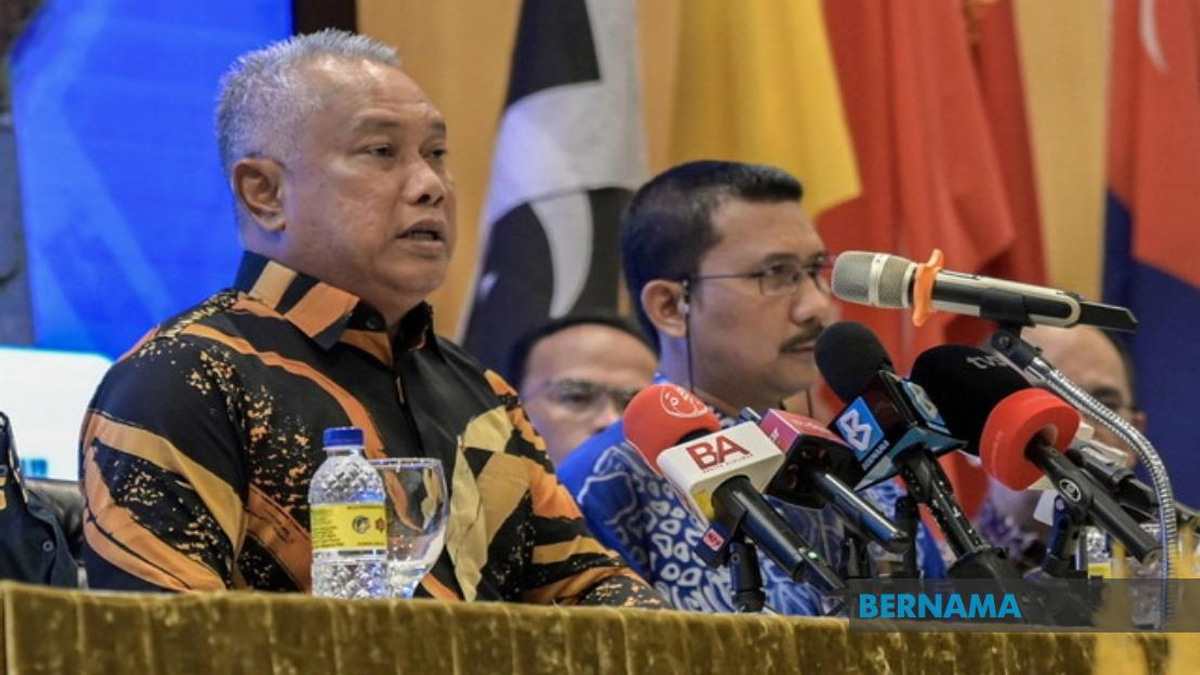
An emerging dispute over logo authorization within Malaysia's Perikatan Nasional coalition threatens to derail Bersatu's electoral strategy, potentially barring the party from fielding candidates under the PN symbol in forthcoming electoral contests. Political observers have identified a critical vulnerability in how the coalition manages candidate accreditation, one that could effectively sideline Bersatu unless it secures formal clearance from the coalition's top leadership. The flashpoint centres on whether Datuk Seri Dr Ahmad Samsuri Mokhtar, who holds the influential position of PN chairman, retains unilateral control over which candidates may use the coalition's registered electoral logo.
The coalition structure has long served as a vehicle for smaller parties to amplify their reach by borrowing institutional credibility and national campaign machinery from a unified political umbrella. For Bersatu, participation under the PN flag has become strategically essential, allowing the party to contest seats it might otherwise struggle to win as a standalone entity. Losing access to that logo would effectively confine the party to its traditional strongholds and significantly diminish its competitive position across peninsular Malaysia. The current procedural ambiguity over authorization thus carries outsized consequences for Bersatu's parliamentary and state legislative ambitions.
This authorization question reflects deeper tensions within Perikatan Nasional that have simmered beneath the surface for months. While the coalition formally comprises multiple member parties united by shared political interests, the practical distribution of power has never been entirely transparent. Ahmad Samsuri's position as chairman, combined with administrative control over coalition resources and symbols, creates an asymmetry that potentially allows the chairman's office to exercise veto power over individual candidacies. The absence of clear, published protocols governing this process has left member parties vulnerable to subjective decision-making at critical junctures in the electoral calendar.
Bersatu's vulnerability stems partly from its relatively recent integration into Perikatan Nasional. Though the party has emerged as a significant political force under Tan Sri Muhyiddin Yassin's leadership, it remains newer to this particular coalition arrangement compared to established partners like PAS. This relative newcomer status may translate into less institutional influence when disputes arise over procedural matters or resource allocation. Analysts point out that without a clear contractual framework or published coalition bylaws, Bersatu lacks a formal mechanism to challenge adverse authorization decisions or appeal to impartial arbitration.
The timing of this dispute carries particular significance given the Malaysian political calendar. With state elections potentially on the horizon in several key states, and speculation mounting about the timing of the next general election, coalition negotiations over candidate selection must conclude soon. Every week of delay increases uncertainty for party operatives attempting to plan ground-level campaign infrastructure. Candidates themselves face paralysis, unable to begin public campaigning or fundraising until their electoral status is confirmed. Voters in marginal constituencies lose the opportunity to evaluate candidate platforms when ballot positions remain unresolved.
For the broader Perikatan Nasional coalition, this internal friction threatens unity precisely when the alliance needs to project coherence to the electorate. Coalition partners have historically struggled to maintain synchronized messaging and campaign discipline across multiple parties with divergent policy preferences. Logo authorization disputes have a tendency to metastasize into larger grievances about resource distribution, seat allocations, and strategic decision-making authority. If Bersatu grows resentful over what it perceives as arbitrary exclusion or differential treatment, the likelihood of coalition fragmentation before elections increases substantially.
Malaysian political precedent offers cautionary tales about logo disputes. Similar conflicts within the Barisan Nasional coalition in past electoral cycles generated acrimony that persisted well beyond individual elections, complicating subsequent coalition negotiations and compromising campaign effectiveness. Parties that felt sidelined or poorly treated often sought retribution by negotiating separately with other coalitions or fielding parallel candidates. Such defections fragment the anti-establishment vote or weaken the establishment's consolidated support, depending on which coalition experiences the breakdown.
The resolution of this dispute will likely depend on whether Ahmad Samsuri and Bersatu leadership can negotiate a compromise that preserves the coalition's operational credibility while addressing underlying concerns about procedural fairness. One possible outcome involves formalizing authorization criteria in writing, establishing transparent thresholds that all candidates must meet rather than leaving decisions to chairmanial discretion. Alternatively, the parties might establish a formal disputes resolution mechanism within the coalition structure, giving aggrieved parties recourse to arbitration rather than unilateral authority.
From a Malaysian electoral perspective, this episode underscores persistent weaknesses in how coalitions manage internal governance. Unlike some advanced democracies where coalition agreements are detailed, legalistic documents, Malaysian political alliances often operate on understandings that rely heavily on personal relationships and oral commitments. When key individuals change, when constituencies evolve, or when party fortunes shift, these informal arrangements prove insufficient to prevent conflict. The current PN disagreement represents an opportunity for coalition partners to invest in institutional reform that might prevent future crises.
For Bersatu specifically, this moment tests whether the party possesses sufficient leverage within Perikatan Nasional to secure favorable treatment. If Ahmad Samsuri maintains unfettered authorization authority without meaningful consultation, Bersatu faces a choice between accepting subordinate status or exploring alternative coalitional arrangements. The party's response will shape not only its immediate electoral prospects but also its long-term position within Malaysia's coalition-dependent political system.