A well-established hacking collective known as Cl0p has publicly claimed responsibility for orchestrating a large-scale data breach affecting nearly 50 companies worldwide, according to statements posted on the group's website. Among the targeted organisations are several multinational giants: Shell, Philips, Fiserv, and General Electric, along with dozens of other firms operating across multiple sectors and geographies. The announcement marks another significant incident in an escalating pattern of coordinated cyber-attacks targeting critical business infrastructure.
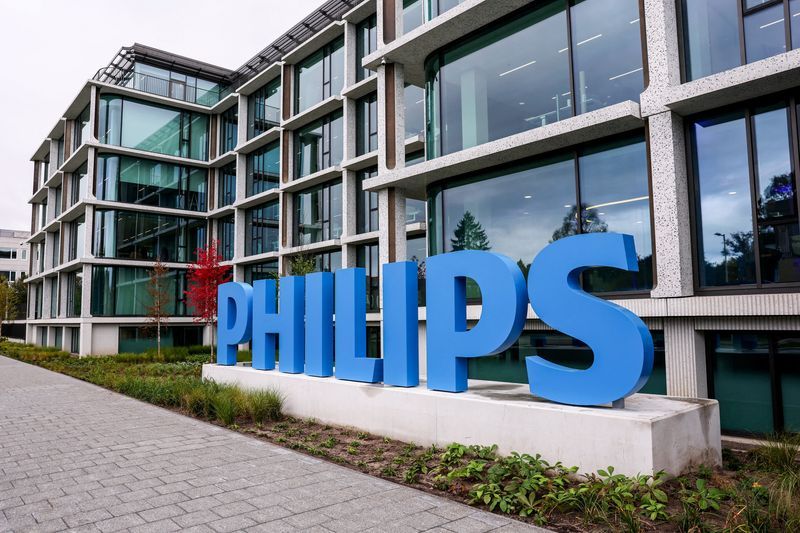
Royal Dutch Shell confirmed that it was aware of a recent "possible incident" and stated it was collaborating with internal security personnel and external specialists to investigate the scope and nature of the breach. Philips disclosed that its systems had been targeted by Cl0p, revealing that the group had attempted to compromise a specific internal server housing enterprise data. The Dutch electronics manufacturer emphasised, however, that the incident was contained and did not extend to customer-facing environments or affect the delivery of services to end-users.
Fiserv, the American financial services technology provider, acknowledged being aware of the threat actor's claims but maintained that a thorough internal review had uncovered no evidence of unauthorised access to customer information, banking transaction records, or personally identifiable data. The company further stated that its operational infrastructure remained uncompromised. General Electric did not immediately respond to requests for comment on the allegations. Independent verification of the hacking group's claims regarding the volume and classification of stolen data remains unavailable, as Reuters could not authenticate the specifics of what was allegedly taken or the operational impact on affected firms.
The methodology employed by Cl0p appears to centre on identifying and exploiting unpatched vulnerabilities in widely-deployed enterprise software rather than targeting individual companies based on strategic or financial considerations. According to Ransom-ISAC, an industry body established to share threat intelligence, the group has been actively exploiting security flaws in PTC Windchill and FlexPLM, sophisticated software platforms used by engineering and manufacturing firms to manage product development and supply chain operations. These tools are utilised by companies across aerospace, automotive, electronics, and energy sectors, meaning the vulnerability potentially affects a broad ecosystem of industrial enterprises.
Boston-headquartered PTC, the software vendor, has not yet commented on the allegations. However, the company has published multiple security advisories dating back to June 18, alerting customers to apply patches addressing a known vulnerability and providing information about coordinated attacks against its products. The delay between the initial vulnerability disclosure and widespread exploitation attempts underscores a persistent industry challenge: many organisations struggle to deploy security patches promptly, leaving their systems exposed to attack for extended periods.
Brandon Parsons, a threat intelligence specialist with Ascent Solutions who authored the Ransom-ISAC advisory, explained that several companies began receiving breach notifications from Cl0p between July 19 and July 20. His analysis characterises the group as sophisticated "professional data extortionists" whose operational model differs fundamentally from conventional targeted cyber-crime. Rather than selecting victims based on industry, geography, or business value, Cl0p identifies high-impact software vulnerabilities and systematically probes networks running affected applications. This approach dramatically increases the scale of potential victims while reducing the targeting precision required.
The distinction matters significantly for cybersecurity strategy and incident response. Zero-day vulnerabilities—previously unknown security flaws that vendors have not yet patched—present particular challenges because organisations cannot rely on established security updates to defend themselves. Cl0p's focus on such vulnerabilities means that even security-conscious firms implementing standard best practices may remain at risk until vendors develop and release patches, and organisations can complete deployment across their entire infrastructure.
The incident reflects a broader vulnerability in the global supply chain for enterprise software. Many manufacturing, energy, and financial services companies operate legacy systems and integrated platforms that cannot be rapidly patched without disrupting business operations. The time window between vulnerability discovery, patch development, vendor notification, and actual deployment across customer networks creates an exposure period that sophisticated threat actors exploit systematically. For Malaysia and the broader Southeast Asian region, where many manufacturers and financial services firms utilise these same enterprise platforms, the implications are substantial.
Malaysia's manufacturing sector, particularly the electronics and automotive industries, depends heavily on PTC's product lifecycle management software and similar engineering platforms. Many Malaysian firms operating in these sectors likely face similar vulnerabilities, yet may lack the security infrastructure and incident response capabilities of their multinational counterparts. The incident demonstrates that vulnerability to cyber-threats extends beyond direct attacks on company networks; it flows through interconnected supply chains and shared software ecosystems. A vulnerability affecting Shell or Philips is equally relevant to Malaysian suppliers and manufacturers integrated within their operations.
The Cl0p group's apparent shift toward larger, more coordinated attacks rather than traditional ransomware extortion suggests evolving threat actor business models. Rather than encrypting data and demanding ransom from individual organisations, the group appears to be harvesting information at scale and potentially selling or leveraging it across multiple markets. This approach generates revenue opportunities regardless of individual companies' willingness or ability to pay ransoms, making the threat more persistent and harder to deter through conventional incident response.
Industry responses have begun focusing on collaborative vulnerability disclosure and faster patch deployment. However, the practical reality remains that organisations operating critical infrastructure often cannot immediately implement security updates due to operational requirements and system compatibility concerns. This creates a fundamental tension between security imperatives and business continuity, one that increasingly affects not only large multinationals but their entire network of suppliers, partners, and service providers throughout Southeast Asia.

