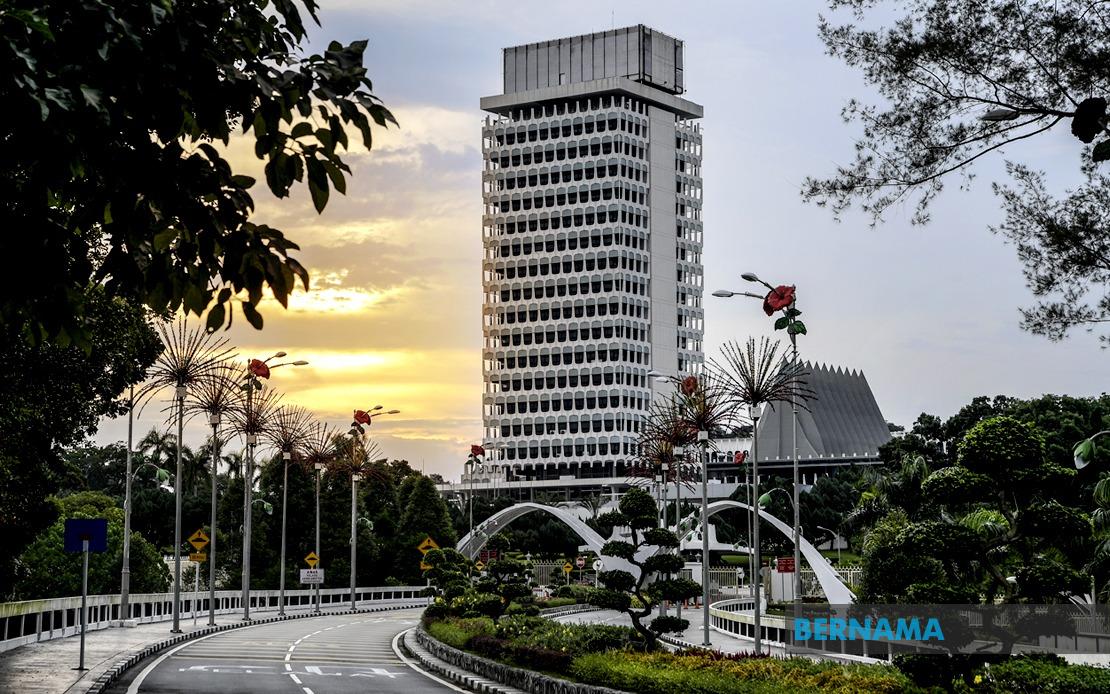
A coalition of 44 civil society organisations and 25 individuals has made a formal appeal for Malaysia's 15th Parliament to remain in place through the end of its constitutionally mandated term on December 18, 2027, contending that the complete parliamentary cycle is essential for implementing meaningful institutional reforms that would strengthen democratic governance and elevate standards of public accountability.
The appeal, released through a joint statement in Kuala Lumpur on August 12, reflects growing concern among civic groups that political instability and premature parliamentary dissolutions have historically derailed long-term reform initiatives. The signatories—including prominent organisations such as Bersih, C4 Center, IDEAS, ABIM, and others—argue that Malaysia's democratic institutions require sustained commitment to structural change rather than periodic disruption caused by shifts in parliamentary confidence.
Underscoring their position, the coalition has proposed that Prime Minister Datuk Seri Anwar Ibrahim convene a comprehensive cross-party leaders' forum encompassing government and opposition representatives. Such a summit, they suggest, would establish a unified parliamentary agenda capable of transcending typical partisan divisions and securing broad-based commitment to reform objectives that would benefit successive administrations regardless of political affiliation.
The reform package outlined by the coalition addresses several dimensions of Malaysia's governance architecture. Most prominently, they advocate constitutional amendments separating the office of Attorney General from the Public Prosecutor, a structural division intended to enhance judicial independence and reduce executive influence over prosecutorial decisions. They also propose imposing a constitutional limit of ten years on the Prime Minister's tenure, a measure designed to prevent power concentration and encourage renewal of political leadership.
Legislative initiatives feature prominently in the reform agenda. The coalition calls for passage of an Ombudsman Act—establishing an independent body to investigate administrative complaints—and a Freedom of Information Act, which would enhance governmental transparency and citizen access to public documents. Both pieces of legislation have been discussed across multiple parliamentary terms without successful enactment, suggesting the need for sustained political will to overcome institutional inertia.
Financial accountability within Parliament also receives emphasis. The coalition urges amendments to allocate constituency development funds equitably across all Members of Parliament regardless of party affiliation, a change potentially affecting long-standing patterns of preferential distribution toward ruling coalition constituencies. This recommendation addresses persistent grievances from opposition lawmakers regarding unequal access to development resources, an issue that has undercut legislative legitimacy among opposition supporters.
Electoral reform proposals reflect broader democratisation objectives. Suggested amendments to the Election Offences Act 1954, expansion of postal voting provisions for overseas and interstate voters, and strengthening of parliamentary committees would collectively enhance electoral accessibility and legislative effectiveness. The coalition additionally recommends introducing party-list proportional representation at the state assembly level—a significant departure from Malaysia's current first-past-the-post system that would fundamentally alter electoral competition and increase representation of marginalised communities including women, youth, Orang Asli, and ethnic minorities.
The call for parliamentary procedural reform addresses operational matters frequently cited as constraining legislative work. The coalition proposes streamlining budget drafting and review processes while enabling private members' bills to proceed through tabling, debate, and passage stages. These procedural enhancements would theoretically empower individual parliamentarians and opposition members to initiate legislation beyond government direction, potentially increasing parliamentary responsiveness to diverse constituent interests.
Significantly, the coalition has extended reform demands beyond the federal level, urging all 13 state governments to enact comparable legislation requiring equitable allocation of state assemblyman development funds with transparency mechanisms. This coordinated approach acknowledges that democratic governance deficits exist across multiple institutional levels and require systematic intervention rather than isolated federal measures.
The coalition's framing strategically emphasises that institutional reforms would benefit any government occupying executive power, a rhetorical approach designed to secure opposition acquiescence despite potential short-term disadvantage. By positioning reforms as structural improvements serving systemic integrity rather than partisan advantage, the civil society groups attempt to transcend electoral competition and appeal to long-term governance interests transcending immediate political calculations.
For Malaysian readers, this appeal carries particular significance given the nation's recent political volatility. The 14th Parliament, which preceded the current body, experienced substantial instability marked by government transitions and parliamentary disruptions. The coalition's emphasis on term completion reflects lessons from this turbulent period, suggesting that premature dissolutions prevented sustained legislative work on reform initiatives first proposed during the 14th Parliament.
The appeal also reflects broader Southeast Asian trends toward heightened civil society engagement with institutional governance questions. Countries across the region have experienced similar calls for democratic deepening through constitutional amendment and legislative reform, suggesting regional consensus that formal institutional structures require modernisation to reflect contemporary democratic expectations.
Whether Prime Minister Anwar Ibrahim convenes the cross-party leaders' summit remains uncertain, though his administration has previously engaged with civil society on governance matters. The coalition's explicit conditional statement—that Parliament should remain until term expiration "unless the government loses the confidence of the majority of Members of Parliament"—acknowledges constitutional realities while strategically encouraging political actors to preserve parliamentary stability as a precondition for advancing democratic reforms.

