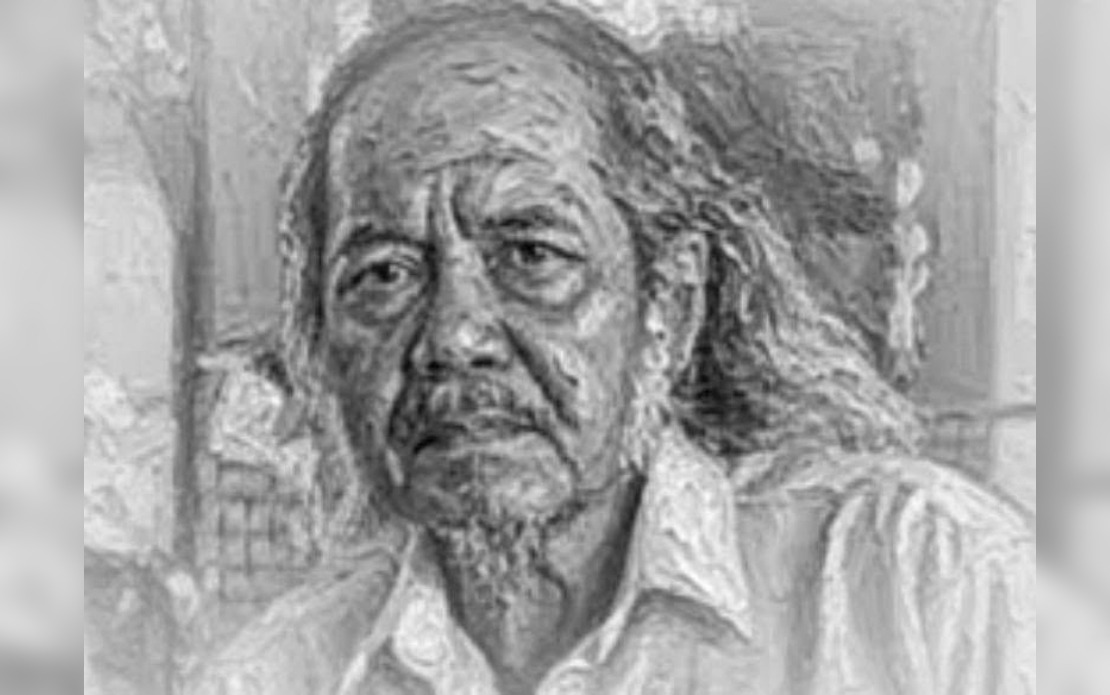
The Malaysian Artistes' Association (SENIMAN) has expressed profound sadness at the loss of veteran actor Kamarozaman Yusoff, popularly known as Cik Man, who died at the age of 68 on August 5 at Tanah Merah Hospital in Kelantan following heart complications. The organization's secretary-general Hafiz Nafiah characterised his passing as a significant blow to Malaysia's local entertainment landscape, acknowledging the immense gap left behind by one of the nation's most accomplished character performers.
Kamarozaman's career spanned more than four decades, during which he became synonymous with a distinctive performance style rooted in authenticity and emotional depth. What set him apart from many of his contemporaries was not a pursuit of stardom or public acclaim, but rather an unwavering commitment to his craft that earned him widespread respect among fellow artists and emerging talents in the industry. His mastery of the Kelantan dialect became his signature trademark, a linguistic and cultural anchor that grounded his characters in genuine regional identity and made them resonate with audiences across Malaysia.
Hafiz noted that Cik Man's industry recognition stemmed from qualities that transcended mere technical ability. His dedication, discipline, and steadfast commitment to advancing the arts demonstrated a professionalism that younger actors looked to as an example. Despite his considerable talents and body of work, he remained characteristically humble, never seeking the spotlight or pursuing recognition for its own sake—a rarity in an industry where personal branding has become increasingly central.
The actor's breakthrough came through his role as Farouk in the 1986 film Gila-Gila Remaja, which introduced audiences to his distinctive approach to character work. However, it was his subsequent appearances in films including Rozana Cinta 87, Rock, Rock Oo!, and Rock Bro! that solidified his position as a mainstay of Malaysian cinema. Each performance added layers to his growing catalogue of memorable roles, demonstrating his versatility across different genres and character types.
Among his most celebrated contributions to Malaysian filmmaking was his participation in the Rock film trilogy, directed by the late Mamat Khalid. Cik Man's character in these films has achieved iconic status within the national cinema canon, remaining vividly recalled and fondly treasured by local audiences more than three decades after the films' release. The trilogy exemplifies how certain performances transcend their original context to become cultural touchstones that define a generation's relationship with cinema.
Beyond his film work, Cik Man demonstrated his range through television drama, including appearances in the series Banyak Chanteq. He also took roles in horror-themed productions such as Cerita Hantu Malaysia and undertook more ambitious dramatic projects like Tiada Tajuk. This diversity reflected an artist willing to explore varied material and collaborate across different production scales and styles.
The broader significance of Cik Man's career extends beyond individual performances to his contribution to the establishment and maturation of Malaysian cinema as a credible artistic medium. His commitment to naturalistic, soulful acting helped elevate standards across the industry during a formative period. At a time when Malaysian film was still developing its distinct voice and identity, performers like Kamarozaman demonstrated that local productions could achieve artistic depth and emotional authenticity comparable to international standards.
From a regional perspective, Cik Man's loss underscores a pattern affecting Southeast Asian cinema more broadly: the aging of pioneering generations who built national film industries from limited resources and infrastructure. His passing removes a living link to the era when Malaysian cinema was establishing its foundational traditions and discovering its cultural voice. This generational transition raises important questions about how emerging filmmakers will preserve and build upon the artistic foundations laid by figures like Kamarozaman.
Hafiz emphasized that while the artist himself has departed, his body of work ensures his influence persists. The films and television productions featuring Cik Man remain available for audiences to encounter, allowing future generations to study his technique and appreciate his contributions firsthand. In this sense, his artistic legacy functions as a permanent educational resource for the industry, illustrating possibilities in character-driven storytelling and regional authenticity.
The association extended formal condolences on behalf of both its leadership and membership, recognizing Cik Man's invaluable role in elevating Malaysia's creative arts sector. The tribute reflected a deeper gratitude for his intangible contributions—the standards he upheld, the younger artists he influenced through example, and the artistic integrity he maintained throughout a lengthy career. SENIMAN's statement concluded with prayers for his spiritual peace, a gesture acknowledging both his human dignity and the spiritual dimensions of artistic work in Malaysian cultural tradition.
Kamarozaman Yusoff's death marks the end of an era in Malaysian entertainment, but his filmography and the memories of those who worked alongside him ensure that his influence on the nation's cinema will continue reverberating through subsequent generations of artists and audiences alike.

