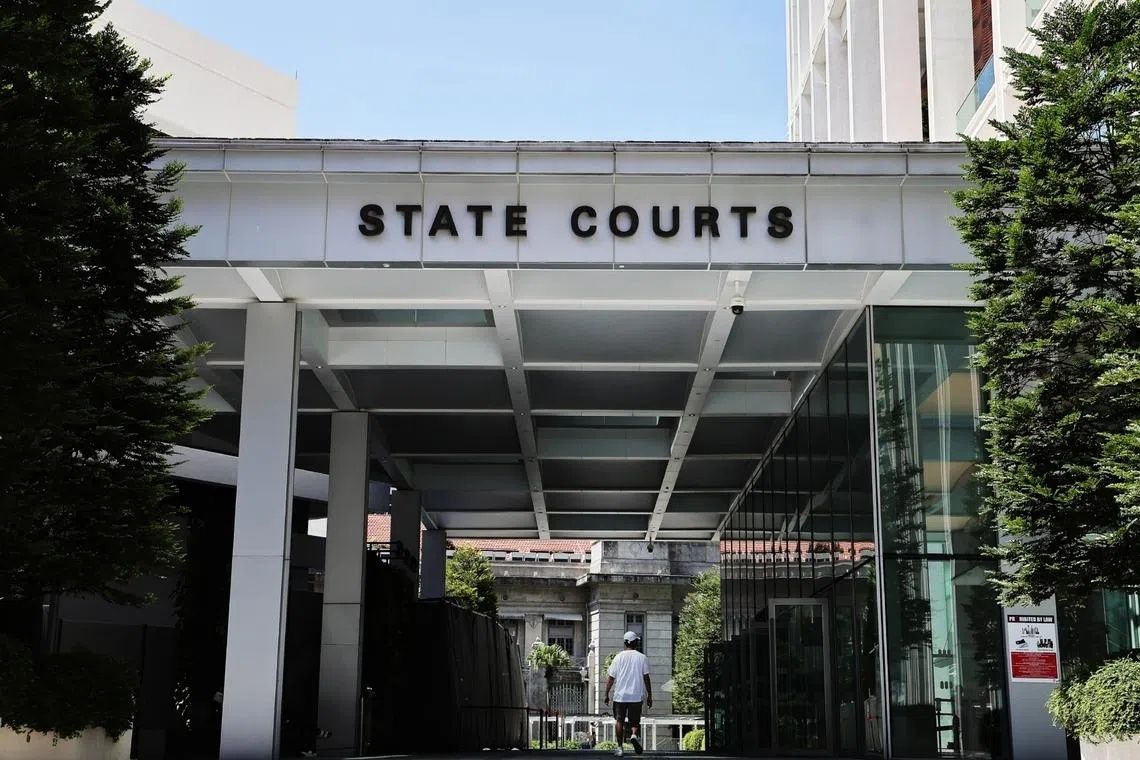
A 41-year-old Chinese national has pleaded guilty to orchestrating a calculated burglary campaign across Singapore's most affluent neighbourhoods, completing multiple thefts within just three days of his inaugural arrival in the country. Huang Xiaozong, who touched down in Singapore on December 5, 2025, identified the Republic as a target-rich environment for his criminal ambitions almost immediately, conducting deliberate reconnaissance of wealthy enclaves before selecting his victims with apparent precision. His systematic approach to identifying and robbing homes in Sentosa and Serangoon Gardens resulted in losses totalling S$105,000, with sentencing scheduled for August 14 following his guilty plea to two housebreaking charges on Friday.
The trajectory of Huang's criminal planning reveals a troubling degree of premeditation. Upon arrival, rather than settling into tourism or business activities, he began researching Singapore's geography to pinpoint areas populated by high-net-worth residents. His intelligence-gathering activities were rudimentary yet effective—identifying neighbourhoods where substantial wealth congregates, then physically scouting properties to assess occupancy patterns and security vulnerabilities. The court heard that after checking into a modest hotel in Little India, Huang wasted no time transitioning from planning to execution, embarking on his first reconnaissance mission in Sentosa just twenty-four hours later.
The initial Sentosa burglary on December 6 proved disturbingly straightforward for Huang. While walking through the luxury hotel precinct, he identified a suite belonging to an occasional resident who was abroad at the time. Observing no signs of occupancy, he approached through the rear balcony—a detail suggesting he had already studied the property's layout and access points. Using force to breach the sliding glass door, Huang methodically searched the suite, extracting high-value portable items: a Chanel watch appraised at S$30,000, five rings collectively worth S$25,000, and a gold necklace valued at S$3,000. The theft remained undetected for two days until a housekeeper discovered disturbed items and footprints, by which time Huang had already relocated his spoils to his hotel room.
Having successfully completed one major theft without immediate detection, Huang escalated his operations the following evening. On December 7, he travelled to Serangoon Gardens, a residential enclave synonymous with established wealth and substantial properties. Operating between seven and eight in the evening—a window when many residents might be out for dinner or still at work—he identified an apparently vacant house and gained entry by climbing over the perimeter gate. The unoccupied residence yielded substantially greater treasures than the Sentosa suite: rings, gold necklaces, a diamond necklace, diamond earrings, and a pair of wedding rings collectively valued at over S$47,000. This single theft nearly matched the value of his Sentosa haul, demonstrating either remarkable luck in target selection or concerning sophistication in assessing property contents from external observation.
Huang's overconfidence precipitated his undoing during a third attempted burglary in the same Serangoon Gardens neighbourhood. Still operating on the evening of December 7, he spotted another apparently unoccupied house and again scaled the gate. However, his presence was detected by a domestic helper, who confronted him directly and questioned his presence on the property. Rather than confront the witness, Huang fled, abandoning whatever opportunity the third residence might have presented and hastening back to his hotel with the evening's accumulated hauls. This retreat, though prudent from a confrontation perspective, created a fresh witness account and description that would prove instrumental in his rapid apprehension.
The homeowner's discovery of the intrusion that same evening triggered a police response that culminated in Huang's arrest within hours. Police traced the suspect to his hotel in Little India on December 8, where he was taken into custody. The arrest recovered items totalling S$105,000, representing the combined value of both the Sentosa and Serangoon Gardens thefts. Investigators likely found the stolen goods in his possession or hotel room, creating an airtight evidential foundation for the guilty plea that followed.
Huang's case illuminates several uncomfortable realities for Singapore's security landscape. His observation that Singapore was "nice and rich"—and therefore suitable for burglary—reflects a cold calculation that major financial hubs with concentrated wealth attract criminal attention from international offenders. The speed with which he identified vulnerable properties and extracted substantial valuables suggests that affluent neighbourhoods may face genuine challenges in maintaining consistent occupancy signals or visible security measures. His targeting of properties appearing unoccupied reveals how seasonal absences, business travel, and the lifestyle patterns of wealthy residents create exploitable windows.
For Malaysian readers, Huang's case resonates beyond Singapore's borders. The cross-border mobility that enabled his journey highlights how regional security remains permeable to determined offenders. The sophistication required to identify and execute multiple significant thefts in unfamiliar territory—establishing hotel accommodation, researching neighbourhoods, assessing properties, and executing breaches—suggests that organised crime networks may coach or support such operatives. Huang's focus on portable luxury items rather than safes, documents, or electronics indicates a seller's market for jewellery and watches, likely channelled through established fencing networks that extend across Southeast Asia.
The legal consequences Huang faces upon sentencing will likely include substantial custodial time, given Singapore's stringent approach to housebreaking and theft involving significant property values. His guilty plea may result in some sentencing mitigation, though the premeditated nature of the crimes and the rapid succession of thefts will weigh heavily against him. The case also raises questions about Singapore's border screening procedures and visitor surveillance, particularly for nationals from jurisdictions with higher crime rates. Whether Huang arrived with prior criminal records or behavioural indicators that warranted heightened scrutiny remains unclear from available court documents, but the swift escalation from arrival to organised burglary suggests pre-existing criminal intent rather than opportunistic decisions.
Beyond the immediate criminal justice outcomes, Huang's apprehension underscores the ongoing tension between maintaining Singapore's reputation as a secure, welcoming destination for visitors and the reality that major financial centres inevitably attract criminal entrepreneurs. His case will likely prompt renewed discussions about residential security standards in affluent neighbourhoods, enhanced coordination between law enforcement and hospitality providers regarding guest background checks, and possible refinements to border screening protocols. The S$105,000 in stolen property, assuming full recovery, represents material but not ruinous losses for the victims—yet the violation of home security and the knowledge that a predator assessed and targeted one's residence carries profound psychological weight. For Singapore's property owners and developers, particularly in luxury segments, Huang's prosecution serves as both a cautionary note and a reminder that security infrastructure and occupancy awareness remain essential investments.

