Tokyo police have arrested Wang Xiaoyu, a 41-year-old Chinese businessman, on suspicion of running an illegal taxi operation that exploited loopholes in Japan's commercial vehicle licensing system to transport tourists without proper authorisation. The arrest highlights growing concerns about regulatory gaps in Japan's transportation sector as the country experiences record inbound tourism and an expanding underground economy in ride services.
Wang is suspected of orchestrating a scheme centred on Phoenix Kokusai, a chauffeur service company that he controlled. Between February and April this year, he allegedly leased vehicles registered under the company's name to individuals who were not formally employed by the firm, enabling them to operate unlicensed taxi services targeting Chinese visitors and other tourists. The operation generated substantial illicit revenue, with police estimates suggesting Wang received approximately 38 million yen (US$233,000) in fees from 18 drivers between November 2024 and May 2026 in exchange for using the company's licensing credentials.
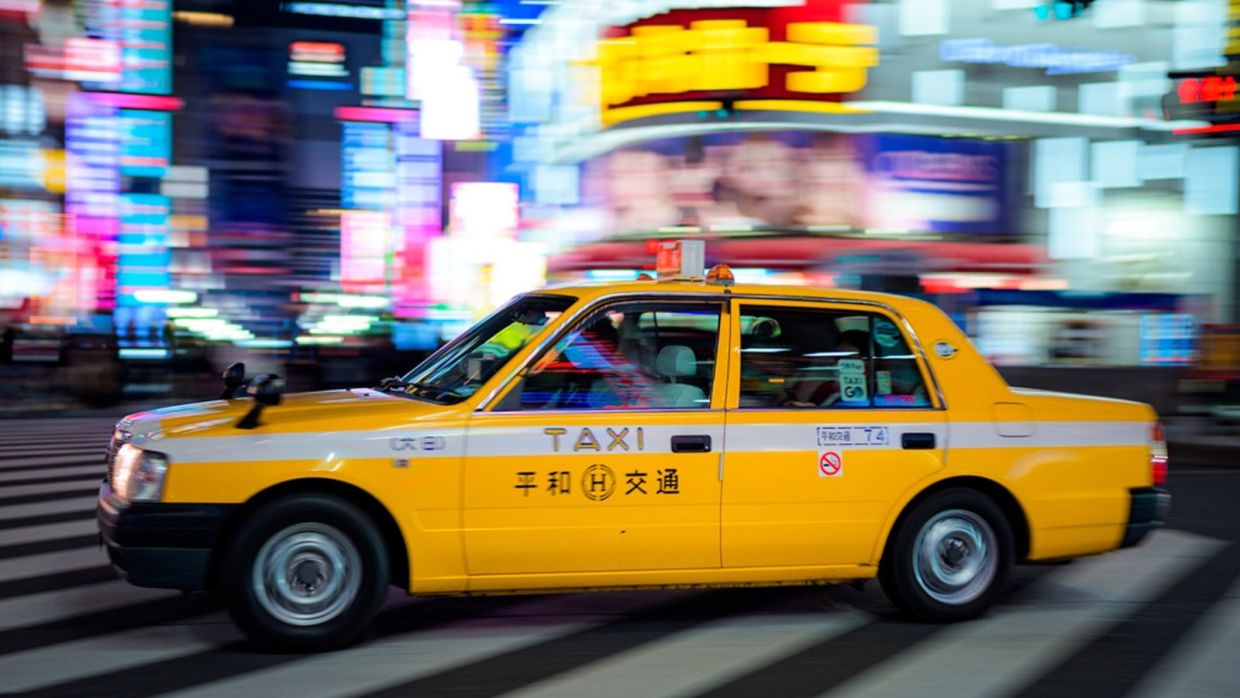
The vehicles used in the operation carried Japan's distinctive green licence plates, a category introduced in 2014 as part of regulatory reforms aimed at accommodating ride-sharing and charter transportation services. These plates designate vehicles as "urban hire" services, which operate under specific conditions: customers must reserve trips in advance and commit to minimum two-hour charter agreements. This distinction separates them from traditional taxis, which operate under yellow plates and can accept spontaneous street hails. However, the green plate system has become a significant vulnerability in Japan's transportation enforcement framework.
Law enforcement officials have long viewed the green licence plate category as prone to abuse. The fundamental challenge lies in distinguishing legitimate urban hire operations from illegal taxi services purely by visual inspection. Without direct observation of transactions or monitoring of booking systems, enforcement authorities struggle to identify violations. This opacity creates ideal conditions for entrepreneurs like Wang to establish operations that nominally comply with licensing requirements while functioning as unregulated taxi services. The distinction between legal charter services and unlicensed taxis becomes meaningless when enforcement lacks practical mechanisms to verify actual operational conduct.
The investigation originated from complaints filed by legitimate taxi drivers operating in Tokyo, who reported suspicious activity at Haneda Airport, the nation's busiest aviation hub. These operators noticed urban hire vehicles openly soliciting passengers at the terminal, a practice inconsistent with the advance-booking model mandated for green-plate vehicles. The pattern suggested systematic illegal solicitation rather than isolated violations. Airport operations present particular challenges for enforcement, as the high concentration of arriving tourists and the complex multi-layered transportation ecosystem create opportunities for illicit services to operate with relative impunity.
Police subsequently arrested three additional individuals, all Chinese nationals, on charges of violating the Road Transportation Act in connection with the scheme. Their roles apparently involved directly operating the vehicles and managing passenger interactions, making them the visible face of the illegal operation while Wang maintained a managerial distance. Wang has partially contested the allegations, though the nature of his specific denials remains unclear. His arrest came on Sunday following an investigation that likely involved surveillance and financial record analysis to establish the conspiracy's scope and revenue flows.
The expansion of urban hire vehicles reflects broader changes in Japan's transportation landscape driven by unprecedented tourism growth. According to the Ministry of Land, Infrastructure, Transport and Tourism, registered urban hire vehicles increased dramatically from 3,868 in fiscal 2013 to 8,850 in fiscal 2024. This tenfold expansion occurred amid Japan's successful positioning as a major tourism destination, with visitor numbers surging especially from neighbouring Asian countries including China. The regulatory category was intended to formalize previously grey-market services while maintaining consumer protections, yet instead it has created pathways for exploitation.
For Southeast Asian readers, the Tokyo case underscores vulnerabilities present in transportation systems across the region as tourism booms. Malaysia, Thailand, Vietnam, and Indonesia all face similar pressures from rapid inbound visitor growth and informal ride services. The methods Wang employed—leveraging regulatory categories meant for legitimate services, exploiting enforcement gaps, and targeting international tourists—could replicate across the region. Transportation authorities in Southeast Asia should examine whether their own licensing frameworks contain comparable vulnerabilities, particularly regarding identification and monitoring mechanisms for commercial vehicles.
The incident also reflects broader patterns of Chinese entrepreneurship in grey-market sectors across Asia. Individuals and small organisations from mainland China have increasingly established themselves in transportation, hospitality, and other service sectors in neighbouring economies, sometimes navigating regulatory boundaries with creativity that borders on illegality. This phenomenon creates diplomatic and enforcement challenges, as host countries must balance economic integration with regulatory compliance. Japan's handling of the Wang case may establish precedents for how regional economies address similar situations.
The case raises fundamental questions about the adequacy of Japan's transportation licensing framework. Regulators introduced the urban hire category to accommodate modern ride-sharing models while preserving distinctions between chartered services and taxi operations. Yet enforcement capacity has not kept pace with regulatory complexity. A truly effective system would require either more stringent monitoring of green-plate vehicle operations, technological solutions such as mandatory digital booking verification, or a fundamental recalibration of licensing categories that eliminates the loopholes Wang exploited. Without such reforms, Tokyo's taxi licensing system will remain vulnerable to similar schemes, particularly targeting tourists unfamiliar with local transportation conventions.
The ¥38 million estimated take from the operation suggests the market demand for unregulated taxi services remains robust despite legal alternatives. Chinese tourists arriving in Tokyo often prefer services operating in their native language and accepting payment methods standard in China, advantages that illegal operators can more readily provide than formal transportation networks. This economic reality complicates enforcement, as demand-side incentives motivate both suppliers like Wang and drivers willing to accept the legal risks involved. Addressing the phenomenon requires understanding it not merely as criminal activity but as a symptom of regulatory misalignment with actual market preferences.

