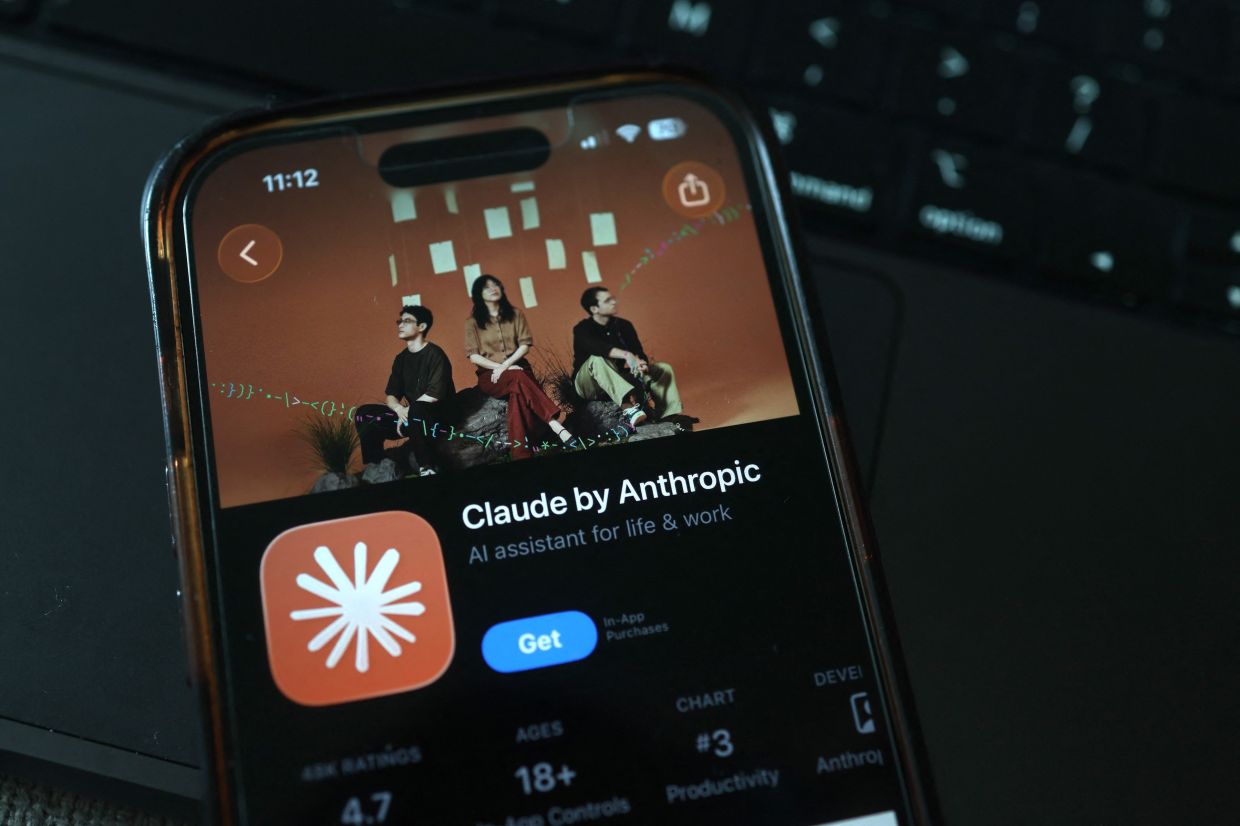
China's cybersecurity authorities have raised alarm over what they characterize as a security vulnerability in Anthropic's Claude Code, an artificial intelligence tool designed to generate, debug and review computer code. The National Vulnerability Database, a platform operated under China's Ministry of Industry and Information Technology, claims the software contains a backdoor that could allow sensitive information including user locations and identity data to be transmitted to Anthropic's servers without authorization.
The allegation marks the latest flashpoint in escalating tensions between Beijing and Western artificial intelligence companies over data security and technology access. Anthropic, the San Francisco-based startup behind Claude, has implemented geographic restrictions preventing users in China and other nations designated as strategic competitors from directly accessing its platform, though workarounds using virtual private networks remain possible. The company's caution reflects broader geopolitical anxieties over whether foreign AI systems might inadvertently or deliberately leak information to overseas entities.
The National Vulnerability Database's assertion that Claude Code poses "a severe threat" has prompted swift institutional responses within China's technology sector. Alibaba, one of the country's largest tech conglomerates, announced a ban on employee use of Claude Code effective July 10, citing unspecified security concerns. Sources close to the matter suggest the decision reflects broader corporate nervousness about deploying foreign AI tools in sensitive business environments, a concern that resonates throughout Southeast Asia where enterprises grapple with similar questions about data sovereignty and technology trust.
The backdrop to these allegations includes existing friction between Anthropic and Chinese technology firms. Anthropic has previously accused Alibaba of attempting to reverse-engineer its AI models through a technique called distillation, whereby one system mimics another's capabilities by studying its outputs. Such accusations highlight the competitive intensity and mutual suspicion characterizing the global race for artificial intelligence dominance, with Beijing viewing Western AI leadership as a strategic vulnerability and Silicon Valley increasingly wary of Chinese efforts to replicate proprietary systems.
Anthropichas declined to provide substantive public comment on the allegations, leaving the company's account of events to emerge through a statement by Thariq Shihipar, an engineer associated with Claude Code. Shihipar's response, posted on social media, reframes the controversial feature not as a malicious backdoor but rather as an experimental safeguard deployed in March to combat unauthorized reselling and protect against the distillation techniques that Anthropic views as intellectual property theft. This explanation suggests the data collection was reactive rather than systemic, a response to specific threats rather than a comprehensive surveillance mechanism.
Shihipar indicated that Anthropic had already developed stronger alternative protections and had been planning to remove the original measure regardless of external pressure. He stated the company intended to fully roll back the feature in a July 2 release, positioning the security issue as already-recognized and in the process of resolution rather than a lingering vulnerability. This timeline raises questions about why the company had not previously disclosed the measure to users or publicly announced its discontinuation, potentially creating an appearance of concealment even if the technical risk assessment differs from Beijing's characterization.
The episode illuminates the complex security considerations surrounding AI tools in an increasingly fragmented digital landscape. For Malaysian businesses and government agencies evaluating whether to adopt Claude Code or similar AI coding assistants, the incident underscores the importance of understanding what data these tools collect, where such information flows, and under what circumstances transmission occurs. The case demonstrates that even tools presented primarily as productivity aids can incorporate data-handling practices with significant privacy implications, particularly in jurisdictions where regulatory frameworks governing AI remain nascent or inconsistent.
Southeast Asian organizations face particular challenges in this environment. The region's regulatory maturity regarding AI governance varies considerably across member states, and many companies lack the technical expertise to independently audit AI tool behavior or the bargaining power to demand transparency concessions from global technology firms. The Alibaba ban signals that large Chinese technology enterprises are taking precautionary approaches, but smaller Southeast Asian firms may lack similar decisive capabilities, potentially creating information security disparities within regional supply chains and business networks.
The incident also reflects broader patterns in how AI security concerns are identified and addressed. Western-developed security disclosure processes typically involve private notification to vendors before public revelation, allowing companies time to fix issues before details become widely known. China's public announcement through its official vulnerability database bypassed this conventional pathway, instead using regulatory authority and public disclosure as mechanisms to drive rapid response. This approach may prove effective in pressuring companies to address issues, though it also complicates the technical distinction between genuine security threats and legitimate features that different stakeholders view through different regulatory and geopolitical lenses.
For AI developers and technology companies operating across multiple jurisdictions, the Claude Code situation illustrates the challenges of balancing legitimate security interests, compliance with varied regulatory expectations, and maintaining user trust. Anthropic's experience suggests that even well-intentioned technical measures, if not transparently documented and communicated, can be interpreted as concerning by external observers with different threat models and trust assumptions. Going forward, companies deploying AI tools regionally may face increasing pressure to provide detailed, jurisdiction-specific documentation about data practices, particularly as governments throughout Asia strengthen AI governance frameworks.
The episode also underscores why Southeast Asian policymakers and enterprise leaders should monitor how major AI tools are governed and updated. As artificial intelligence becomes increasingly embedded in business operations, development workflows, and organizational infrastructure, the security and privacy properties of these systems carry economic and strategic significance. The Claude Code controversy demonstrates that reassurances from vendors require independent verification, and that regulatory oversight from credible authorities, even when originating in geopolitically complicated contexts, can serve important accountability functions.

