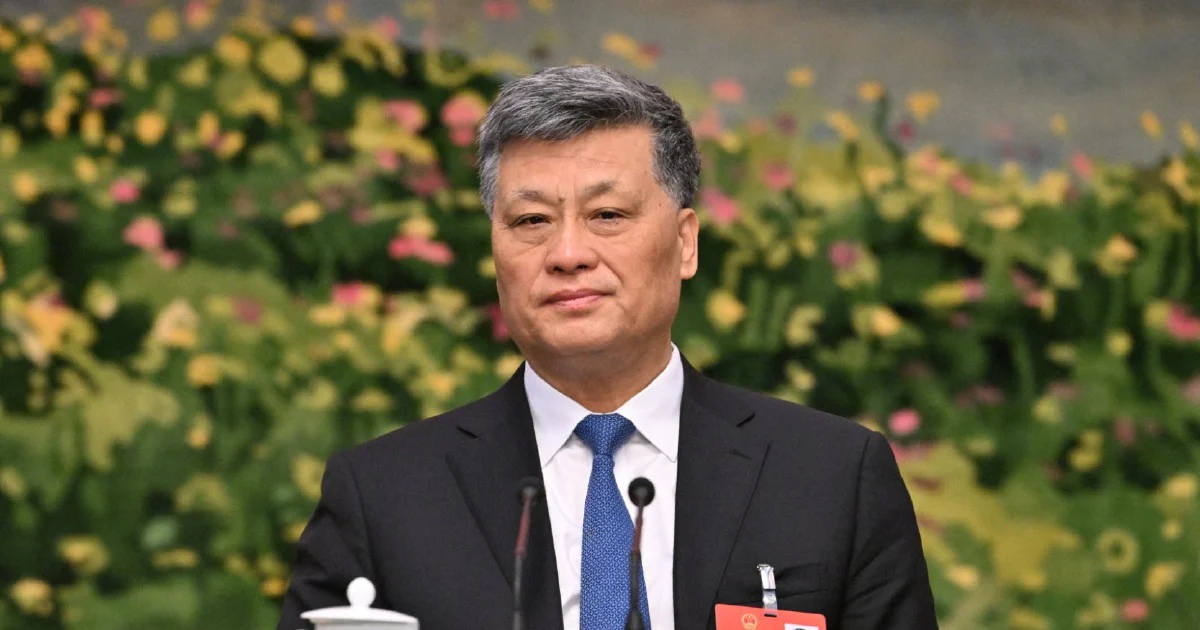
Beijing has taken decisive action against a formerly prominent Xinjiang official, stripping him of all party membership and government positions following confirmed corruption allegations. State media announced the disciplinary measures on Tuesday, marking another significant case in China's sustained campaign against high-level misconduct within its political establishment.
The expelled official faced multiple charges encompassing various forms of corruption. Beyond straightforward bribery accusations, investigators documented nepotistic practices—the improper advancement and enrichment of family members through his position of influence. Additionally, authorities revealed instances of personal misconduct involving financial impropriety linked to sexual services, representing a particularly serious violation of party ethics standards that carry significant reputational consequences in China's political culture.
This expulsion underscores the Communist Party's ongoing commitment to addressing internal corruption, a priority that has gained momentum under recent leadership. Such actions serve dual purposes: they demonstrate the party's determination to maintain institutional integrity and strengthen public confidence in governance structures. By publicly announcing and detailing such cases, Beijing signals that no official—regardless of past prominence or provincial authority—remains beyond accountability.
Xinjiang's political establishment has faced particular scrutiny in recent years due to the region's strategic importance and past governance challenges. Senior officials from the region have previously faced similar disciplinary actions, creating a pattern of intensified oversight. This latest case extends that trend, suggesting that authorities maintain heightened vigilance regarding administrative practices in the region's upper echelons.
The removal of such a senior figure from all posts simultaneously serves an administrative purpose alongside its disciplinary function. Vacant leadership positions require careful succession planning, particularly in Xinjiang where governance continuity remains sensitive. The comprehensive nature of the sanction—party expulsion combined with dismissal from every official position—represents the severest available punishment short of criminal prosecution, indicating the gravity with which authorities treated the accumulated violations.
Corruption investigations in China typically involve lengthy processes combining party discipline committees with civilian procuratorial oversight. The fact that this case reached public announcement stage suggests the investigation achieved conclusive findings across multiple allegations. The diverse nature of the charges—spanning financial crimes, relationship abuses, and ethical violations—indicates a thorough examination of the official's conduct across various dimensions of his tenure.
For Southeast Asian observers, such cases carry particular relevance. Regional officials and business leaders frequently interact with Chinese counterparts and navigate governance frameworks influenced by Chinese administrative practices. Understanding how Beijing's anti-corruption machinery operates provides insight into the institutional expectations and risk factors affecting cross-border relationships and investments.
The timing and publicity of the announcement also merit consideration. By releasing such information through state media channels, Beijing maximises the deterrent effect among other officials potentially engaged in similar conduct. The public disclosure transforms individual punishment into institutional messaging about acceptable behaviour standards across the party hierarchy.
Xinjiang's governance has drawn sustained international attention for various reasons, making any senior official action newsworthy. This particular expulsion reflects China's internal administrative processes rather than external pressure, though it does demonstrate that governance issues receive serious institutional attention regardless of geopolitical sensitivities.
The case exemplifies how modern China's party discipline system functions as a distinct parallel to criminal justice mechanisms. Party expulsion does not necessarily preclude criminal prosecution, and many such cases eventually result in formal legal proceedings. However, the expedited party discipline process allows authorities to remove individuals from positions of influence while criminal investigations proceed, preventing continued abuse of official power.
Looking forward, this expulsion contributes to an evolving narrative about anti-corruption efforts across China's provincial and regional administrations. As Beijing continues strengthening oversight mechanisms and raising ethical standards, more senior officials may face similar consequences. The message to the broader bureaucratic apparatus remains consistent: corruption, regardless of form or perpetrator's rank, will trigger serious institutional consequences.
For investors and businesses engaged with Xinjiang and other Chinese regions, such developments underscore the importance of working with partners demonstrating strong governance credentials and ethical track records. Political uncertainty created by senior official removals can affect contractual stability and administrative cooperation, making counterpart reliability an increasingly crucial due diligence factor in cross-border ventures.
The broader implications extend to China's institutional evolution. By maintaining robust anti-corruption procedures and publicising major cases, Beijing reinforces the Communist Party's claims to institutional legitimacy—arguments particularly important given competition with democratic governance models in the eyes of both domestic and international observers.

