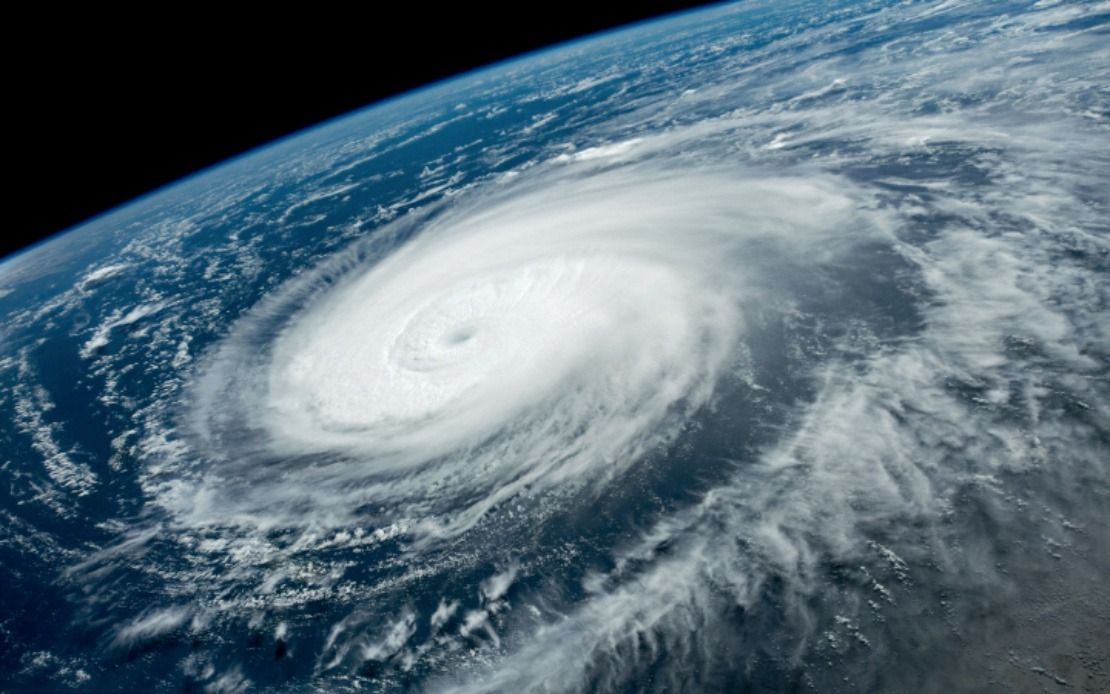
Authorities across eastern China are making intensive preparations as Typhoon Dolphin bears down on the country's coast, triggering a cascade of emergency measures designed to shield populations and infrastructure from the approaching storm. The National Meteorological Centre's decision on Saturday to upgrade the typhoon response to Level III and escalate the weather warning from yellow to orange signals the severity with which officials are treating the approaching system, which is forecast to make landfall between Zhoushan in Zhejiang Province and Fuding in Fujian Province from late Sunday through Monday morning.
The upgrading of China's alert level reflects growing confidence among meteorologists that Typhoon Dolphin will deliver a significant impact. Xu Yinglong, chief forecaster at the National Meteorological Centre, emphasised that the storm could prove more formidable than Typhoon Bavi, which struck the country in July, potentially delivering stronger gusts and heavier rainfall across the affected regions. Within China's tiered warning system, the orange alert represents the second-most serious classification, sitting below only the red alert that signals catastrophic conditions.
Zhejiang Province, which faces direct impact from the typhoon's anticipated trajectory, has already mobilised its defences to the second-highest emergency level. The provincial response has been comprehensive and methodical. Officials have strategically positioned more than 4,000 monitors throughout vulnerable areas to scrutinise over 7,500 locations where landslides and associated geological hazards pose significant threats to lives and property. This preventive monitoring network underscores the recognition that typhoons in this region do not merely bring wind and rain—they fundamentally destabilise terrain, triggering secondary disasters that can prove as deadly as the primary storm itself.
The suspension of maritime operations across Zhejiang reflects the peril these waters will face. By Friday morning, authorities had halted services on all 162 passenger ferry routes operating within the province, essentially shutting down civilian maritime transport. Simultaneously, work has ceased at all 193 offshore construction and industrial projects scattered across Zhejiang's territorial waters. To prevent vessels from being caught at sea when conditions deteriorate, authorities have compelled 474 construction and service vessels to return to port. This coordinated clearing of the waterways represents a critical safety measure, as ships caught in typhoon-force winds have little prospect of reaching safety once conditions deteriorate beyond certain thresholds.
Fujian Province, which shares Dolphin's expected landfall zone, has implemented similarly stringent precautions. Authorities there had suspended 40 passenger ferry routes by Saturday noon, preventing civilians from travelling across potentially dangerous waters. Offshore construction operations, which employ thousands of workers on platforms and vessels, have been halted at 115 separate sites. In the coastal city of Fuding, located directly in the storm's anticipated path, all 1,210 registered fishing boats had returned to port, removing these vulnerable vessels from harm's way and ensuring their crews are safely ashore.
Shanghai, positioned north of the direct landfall zone but still vulnerable to the system's peripheral effects, has issued a blue-level typhoon alert. Forecasters in the city warn that strong winds and heavy precipitation could persist for as long as four days, with some train services throughout the economically vital Yangtze River Delta region already scheduled for suspension beginning Sunday. This disruption to transportation networks will affect millions of commuters and freight operations, reflecting the broad geographic footprint of Dolphin's influence.
China's structured approach to typhoon preparedness rests on two complementary systems that operate in tandem. The four-tier colour-coded weather warning system ranges from blue (least severe) through yellow and orange to red (most severe), allowing meteorologists to communicate risk clearly to the public. Simultaneously, the four-tier emergency response system, which operates independently though in coordination with weather alerts, grants administrators graduated authority to implement increasingly restrictive measures. By raising Dolphin to Level III, China has activated protocols positioned midway up this hierarchy, enabling authorities to take decisive action without yet implementing the most extreme restrictions reserved for Level I responses.
The cascading preparations reveal how Chinese authorities have systematised typhoon response into an intricate mechanism balancing public safety against economic disruption. Recalling fishing boats and suspending construction work removes people from immediate danger while simultaneously preventing damage to vessels and infrastructure that would create secondary humanitarian crises. Deploying monitors to geological risk zones acknowledges that typhoon dangers extend beyond the storm's immediate wind field, encompassing the destabilisation of mountainous and hilly terrain that can trigger catastrophic landslides. Ferry suspensions protect both passengers and crew from maritime hazards while encouraging residents to remain inland during the peak danger window.
The prospect that Dolphin could exceed Typhoon Bavi's intensity introduces an element of uncertainty that may have prompted the relatively aggressive escalation to Level III and orange alert status. Bavi, which made landfall in July, established a recent benchmark for typhoon impacts in the region. If Dolphin indeed generates stronger winds and more copious rainfall, as forecasters suggest, then the infrastructure and populations of Zhejiang and Fujian face potentially severe stress. This forward-leaning posture by authorities reflects lessons learned from previous typhoon seasons and recognition that early, aggressive preparedness saves lives more effectively than reactive measures implemented after the storm arrives.
For Malaysian and regional observers, the Chinese response demonstrates institutional capacity for large-scale emergency coordination that Southeast Asian nations must contend with during transnational typhoon seasons. Storms that impact Chinese coastal provinces sometimes weaken as they move southwestward but can still affect Taiwan, the Philippines, and occasionally Vietnam. Understanding how major economies like China mobilise their resources and populations during typhoon season provides instructive parallels for national governments in the region assessing their own disaster preparedness frameworks. The transparency with which Chinese authorities communicate alert levels and preparedness measures also illustrates the communication strategies that build public compliance with evacuation and suspension orders.

