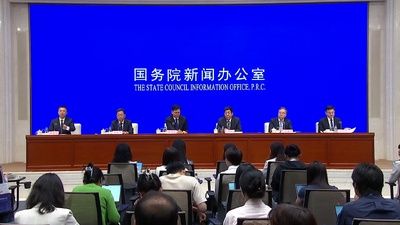
Beijing has moved to decisively counter mounting international scrutiny over labour practices in Xinjiang, with Chen Ruifeng, the Minister of the National Ethnic Affairs Commission, categorically denying the existence of coerced migration or forced work in the autonomous region. Speaking on Wednesday, Chen described such allegations originating from Western organisations and media outlets as fundamentally without merit, framing them as mischaracterisations of China's approach to regional development and employment.
The government's rebuttal comes amid persistent criticism from international human rights bodies and Western governments regarding conditions for Uygur workers in Xinjiang. Beijing's defence hinges on constitutional protections and legislative safeguards, with Chen emphasising that China's founding law and associated statutes explicitly prohibit forced labour in all its forms. This legal foundation underscores the government's formal position that the employment arrangements questioned by critics operate within established legal parameters.
New legislation offers an additional layer to China's governance framework in the region. The Law on Promoting Ethnic Unity and Progress, formally enacted on March 12 and scheduled to take effect on July 1, incorporates mechanisms specifically designed to protect cross-regional workers. These include rights protection provisions and legal assistance frameworks intended to ensure that individuals from all ethnic groups working across provincial boundaries receive adequate safeguards and recourse mechanisms.
According to Chen's account, individuals relocating for employment from Xinjiang do so entirely of their own volition, motivated by personal aspirations to enhance family circumstances and develop occupational skills. This characterisation stands in sharp contrast to allegations suggesting state-directed labour systems. The government spokesperson condemned the opposing narrative as "extremely absurd and ridiculous," signalling China's hardened stance against what it views as external interference in its internal affairs.
The employment transfer programmes, Chen maintained, prioritise respecting the agency and preferences of people across all ethnic communities within Xinjiang. The stated objectives centre on expanding job availability and raising household incomes, with outcomes measured primarily through economic metrics benefiting local residents. This framing positions labour mobility as a poverty-alleviation and skills-development mechanism rather than any form of coercive arrangement.
Statistical evidence forms a central pillar of China's counter-narrative. Over the preceding five years, Xinjiang has witnessed the creation of more than 2.39 million new urban employment positions through various policy interventions and economic initiatives. Rural agricultural workers have undertaken approximately 16.1 million individual trips for work beyond their home regions, reflecting substantial labour mobility across the provincial economy.
Income growth figures add another dimension to Beijing's economic argument. Per capita disposable income among urban residents has expanded at an average annual rate of 5.3 per cent during the five-year period, while rural residents' incomes have grown at 8.1 per cent annually. These figures, if accurate, suggest material improvement in living standards across Xinjiang's diverse population, though independent verification of such data remains difficult given restricted access to the region.
China has sought to institutionalise employment protection through what it describes as a comprehensive framework combining fair hiring policies with robust legal protections for workers' rights. This system, according to official accounts, ensures that all individuals capable of working can secure employment while maintaining the voluntary nature of participation in labour programmes. The government frames this approach as maximising both worker choice and dignity in the workplace across all ethnic groups represented in Xinjiang.
The diplomatic tension surrounding Xinjiang labour practices reflects broader geopolitical contestation between China and Western nations regarding human rights standards and governance in the region. Beijing's vigorous denial and statistical rebuttal constitute part of a sustained effort to defend its sovereignty and development policies against external criticism. For Southeast Asian observers and policymakers, these exchanges underscore the intensifying scrutiny of supply chains and labour standards in the region, with implications for trade relationships and corporate accountability frameworks increasingly linked to human rights considerations across the Indo-Pacific.

