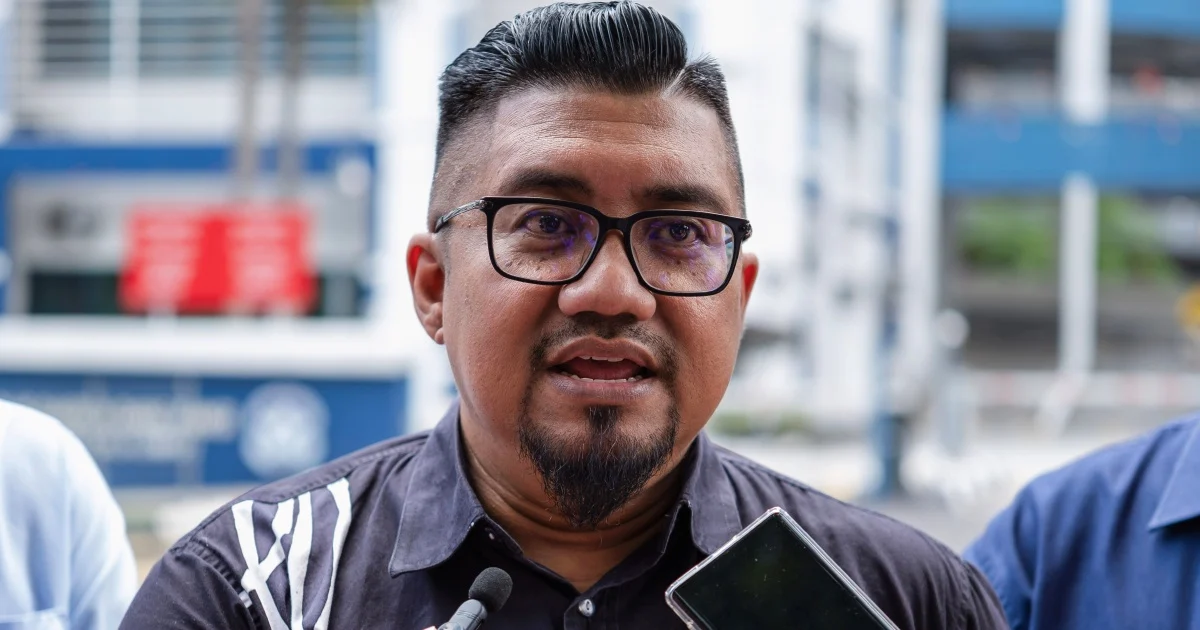
Political activist Badrul Hisham Shaharin, commonly referred to as Chegubard, appeared in the Sessions Court in Seremban today to contest allegations that he disseminated seditious material on Facebook concerning the Negri Sembilan Royal Institution. The activist's formal not guilty plea marks the beginning of what is likely to be a closely watched legal proceeding, given his prominence as a vocal social commentator and the sensitive nature of cases involving royal institutions in Malaysia.
The charge against Chegubard relates specifically to content he allegedly published on the social media platform that authorities claim was intended to undermine or bring disrepute to the royal household of Negri Sembilan. Sedition laws in Malaysia carry significant weight in the legal system, and cases brought under these statutes often draw considerable public attention, particularly when they involve public figures who regularly engage in political commentary and social discourse.
Chegubard has built a reputation over the years as an outspoken voice on Malaysian politics and social issues. His online presence, particularly through Facebook, has made him a familiar figure to many Malaysians who follow political activism and civil society discourse. The charges against him reflect the broader tension in Malaysian society between the constitutional protection of free speech and the government's power to curtail expression deemed seditious or disrespectful toward the monarchy.
The Sessions Court proceedings in Seremban will determine whether the content in question crossed the legal threshold into seditious material. Malaysian sedition law, derived from colonial-era legislation, has been a subject of ongoing debate among civil society groups, legal experts, and international observers who have questioned whether its application chills legitimate political discourse and social commentary.
For Negri Sembilan specifically, any proceedings involving allegations against the state's royal institution carry particular significance. The state's monarchy holds deep cultural and institutional importance to residents, and the legal system takes seriously any matters perceived as threatening the dignity or respect afforded to the crown. At the same time, the case has implications for how Malaysian courts interpret the boundaries between protected speech and seditious content in the digital age.
The decision by Chegubard to enter a not guilty plea suggests his legal team will mount a substantive defence challenging either the nature of the content or its classification as seditious under Malaysian law. This approach indicates a willingness to proceed to trial rather than pursue alternative resolutions, potentially setting the stage for detailed legal arguments about free speech, the public interest, and the scope of sedition statutes.
The case occurs amid broader regional conversations about digital rights, online expression, and the role of social media in political activism. Southeast Asian democracies have grappled with similar issues as traditional laws governing speech encounter the reality of internet-enabled mass communication. How Malaysian courts adjudicate cases involving online content increasingly influences the broader climate for political discourse and activism in the country.
For the activist community in Malaysia, the outcome of this case will carry implications beyond Chegubard himself. Legal precedents established in sedition prosecutions influence how others assess the boundaries of acceptable political expression online. Civil society organizations have previously documented concerns about the chilling effect that sedition prosecutions can have on legitimate activism and commentary.
The trial process will likely involve examination of the specific Facebook posts in question, expert testimony about their meaning and intent, and legal arguments about whether they constitute seditious material under the Sedition Act. The court's interpretation of legislative language regarding what constitutes material intended to promote hatred or disaffection will be central to the proceedings.
Regionally, Malaysia's handling of sedition cases continues to attract scrutiny from international human rights organizations and media freedom advocates. The case adds to a growing dossier of Malaysian legal proceedings that touch on sensitive questions about expression, activism, and the proper balance between protecting state institutions and preserving democratic space for political discourse.
Chegubard's legal team will have the opportunity to present evidence and arguments that challenge the prosecution's characterization of the Facebook content. The court's eventual verdict will reflect its interpretation of sedition law and its assessment of whether the material crossed the legal boundary into seditious territory. Until trial concludes, the specific details of the allegedly problematic posts and the prosecution's evidence remain to be fully aired in open court.

