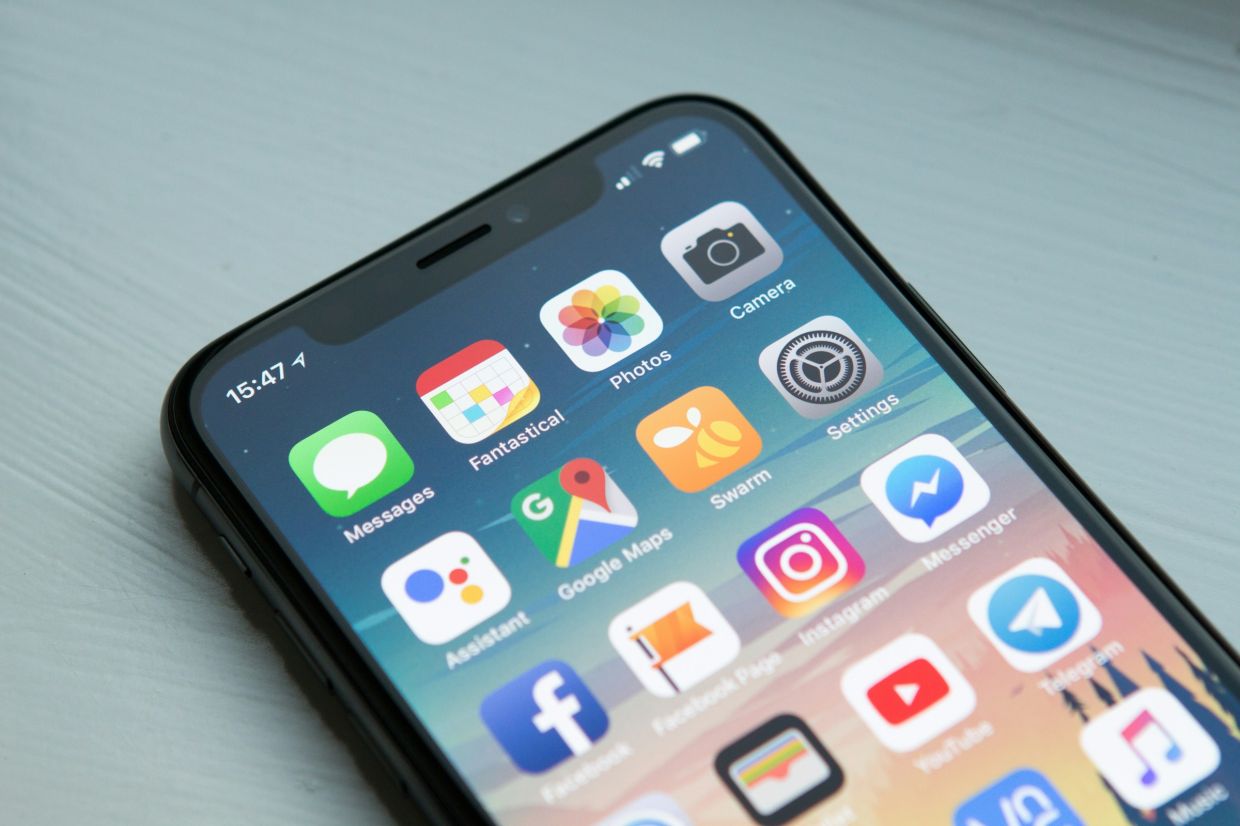
Magnet Forensics Inc, a prominent Canadian cybersecurity company, is pursuing legal action against a former contractor and a rival technology firm over allegations that sensitive information about an Apple iPhone vulnerability was improperly shared. The lawsuit, filed in federal court in Georgia, names Mario Del Gaudio and Paradigm Shift Technology SL as defendants, with Magnet claiming the contractor transferred classified knowledge about a previously undiscovered iPhone flaw to the competing Spanish organisation.
At the heart of the dispute lies a zero-day vulnerability affecting Apple Inc's A12 and A13 chips—the type of security flaw that gives cybersecurity professionals no advance notice before exploitation. Rather than disclosing this weakness to Apple for patching, Paradigm Shift Technology made details of the vulnerability public through a blog post in June, according to court documents filed on July 7 in the Northern District of Georgia. This public revelation, Magnet contends, alerted Apple to the flaw and triggered remedial action, thereby destroying the commercial value of the discovery.
The zero-day vulnerability market represents a specialised and lucrative segment of the cybersecurity landscape. Both Magnet Forensics and Paradigm Shift develop and commercialise zero-day hacking tools explicitly designed for government clients, particularly law enforcement and intelligence agencies. These tools command significant prices because they represent unique technical capabilities unavailable elsewhere—once a vulnerability becomes public knowledge, its strategic and financial value evaporates almost immediately. Magnet's lawsuit emphasises that the public disclosure inflicted "irreparable harm and continuing damage" on the company's operations and customer relationships.
Mario Del Gaudio, who worked at Magnet as an iOS exploit engineer, spent months developing and refining the very vulnerability at the centre of this dispute. Court filings suggest Del Gaudio subsequently became involved with Paradigm Shift's research effort on the identical flaw, raising questions about whether knowledge gained during his employment at Magnet was transferred to the competing firm. Magnet alleges that Del Gaudio breached contractual obligations governing the protection of proprietary technical information and trade secrets—a common stipulation in technology industry employment agreements.
Magnet Forensics, which operates across more than 6,000 public and private sector organisations spanning 100 countries, represents a significant player in the law enforcement technology sector. The firm provides digital forensics capabilities that enable police departments, government agencies and intelligence services to access, recover and analyse data stored on iPhones—devices notorious for their security protections. When Apple implements security updates addressing known vulnerabilities, the utility of such tools diminishes considerably, making advance knowledge of flaws extraordinarily valuable to government customers who depend on these capabilities for investigations and intelligence operations.
The financial stakes underscoring this conflict became clearer following Magnet Forensics' acquisition by private equity firm Thoma Bravo in 2023 for US$1.3 billion. This substantial valuation reflects investor confidence in the company's market position and technical capabilities. However, the loss of proprietary zero-day knowledge through public disclosure threatens the competitive advantages that justified such an acquisition price. For organisations like Thoma Bravo, managing and protecting intellectual property assets within acquired companies becomes a critical governance priority.
The case highlights structural vulnerabilities within the zero-day vulnerability trade and the challenges companies face in protecting technical secrets when experienced engineers move between competitors. Employment contracts and non-disclosure agreements, while standard protective measures, prove difficult to enforce once information becomes public. Magnet responded with multiple cease-and-desist letters demanding withdrawal of the published research, but the vulnerability details remain publicly accessible online, allowing any sufficiently skilled actor to exploit the weakness.
This dispute arrives amid broader concerns about the proliferation of hacking tools and their potential misuse. In 2025, a former government contractor at military firm L3Harris Technologies pleaded guilty to stealing and selling offensive hacking capabilities to Russian intermediaries, ultimately receiving a prison sentence exceeding seven years. That case underscores how cybersecurity professionals with access to sensitive systems and exploit knowledge can pose significant national security risks if they choose to monetise or transfer their expertise improperly.
Neither Del Gaudio nor his legal representatives have publicly commented on the allegations, nor has Paradigm Shift Technology offered any statement regarding Magnet's claims. Apple Inc similarly declined to address the matter publicly. Their silence leaves key questions unresolved about whether Del Gaudio deliberately transferred proprietary information, whether Paradigm Shift consciously acquired stolen intellectual property, or whether the vulnerability discoveries simply represented parallel research efforts that coincidentally focused on identical technical weaknesses. These factual determinations will likely emerge through the discovery process as litigation proceeds.
For Malaysian readers and Southeast Asian businesses engaged with law enforcement cooperation or cybersecurity procurement, this litigation carries practical implications. Organisations relying on foreign cybersecurity tools and forensic capabilities must understand that the technical advantages marketed by vendors may depend on proprietary knowledge subject to competitive pressure and potential loss through employee movement or corporate espionage. Additionally, the case reinforces how zero-day vulnerabilities, once disclosed publicly, become instantly available to malicious actors and nation-state competitors, raising questions about responsible disclosure practices versus commercial secrecy in the cybersecurity sector.

