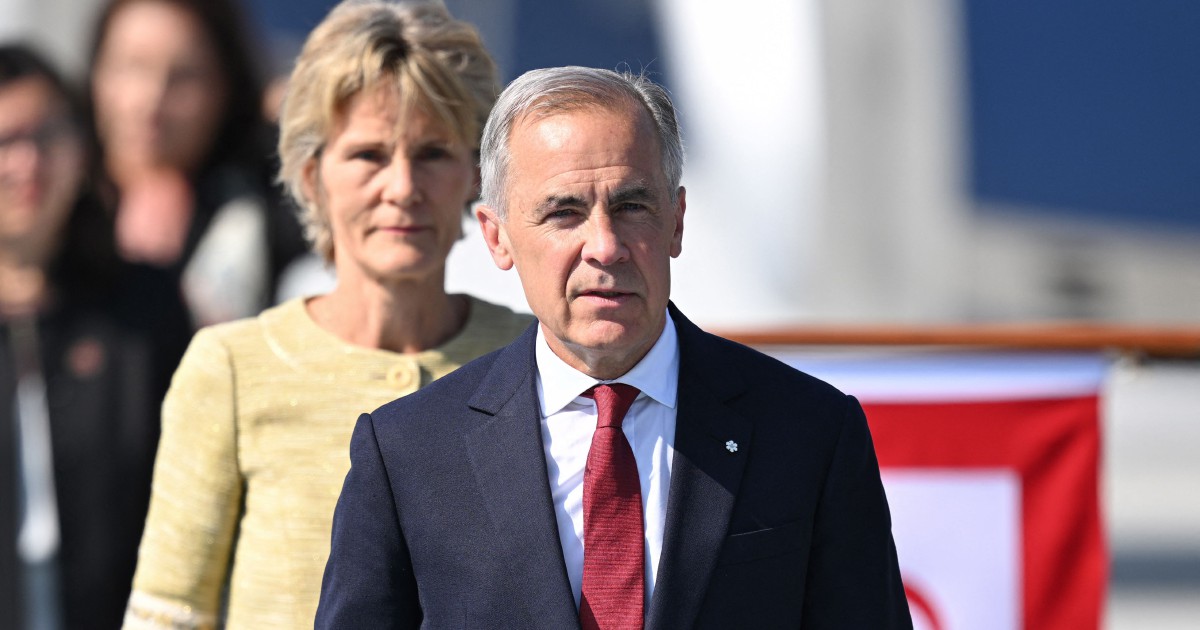
Canadian Prime Minister Mark Carney brought a touch of sporting humour to proceedings at the NATO summit in Ankara, Turkey, when he playfully tried to persuade Norway's football federation to loan star striker Erling Haaland to Canada's national team for upcoming World Cup qualifiers. The light-hearted overture between the two allied leaders underscored how even serious geopolitical gatherings can accommodate moments of levity when officials from friendly nations cross paths.
The exchange highlights an interesting dimension of international diplomacy where sport serves as an informal lingua franca among world leaders. Football's universal appeal means that even amid discussions on military alliance matters and security concerns, figures such as Carney find common ground through popular culture references. Haaland's prominence as one of the world's elite strikers—currently playing for Manchester City—makes him an instantly recognisable figure globally, transcending traditional diplomatic communication boundaries. For Malaysian readers accustomed to seeing political and sporting worlds occasionally intersect at home, such moments demonstrate how international relations operate on multiple registers simultaneously.
Carney's jest carried particular resonance given Canada's complicated relationship with World Cup competition. Despite being a traditional powerhouse in ice hockey and producing numerous athletic talents across various disciplines, the country's football programme has struggled for consistency on the world stage. The Canadian men's national team qualified for the 2022 Qatar World Cup but made an early exit, failing to advance past the group stage. Such humorous recruitment attempts, while clearly tongue-in-cheek, reflect an underlying ambition to strengthen the squad's competitive standing in future tournaments.
Norway, for its part, has never qualified for a World Cup despite being a respected footballing nation in European contexts. The Scandinavian country regularly produces skilled players who perform at elite club level across Europe's top leagues, yet has not achieved the collective success needed for World Cup qualification since the competition's inception. This shared aspiration for greater World Cup success between the two countries' leaders created the perfect context for Carney's playful gambit, as both nations understand the challenge of competing at the highest levels of international football.
The NATO summit backdrop provided an intriguing setting for this sporting aside. Turkey hosted delegates from across the transatlantic alliance grappling with serious security matters, geopolitical shifts, and military cooperation frameworks. That conversations could pivot to football recruitment jokes demonstrates the relationship strength between Canada and Norway, both NATO members with aligned security interests. The ability to inject humour into formal gatherings often signals confidence between nations and suggests substantive discussions have already yielded productive results.
Erling Haaland himself remains largely unaware of his recruitment pitch, having focus centred firmly on his professional commitments with Manchester City. At 24 years old, the Norwegian international has already established himself as one of football's most prolific goal-scorers, recently leading Manchester City to multiple domestic and continental titles. His presence in discussions between world leaders underscores football's capacity to penetrate diplomatic spheres at the highest levels of international engagement.
From a Southeast Asian perspective, such incidents at NATO summits serve as reminders of how differently governance and diplomacy operate in Western alliance structures compared to regional counterparts. Whereas Asian diplomatic gatherings typically maintain more formal protocols and conventional communication styles, NATO forums appear more comfortable integrating popular culture references and informal banter into proceedings. This cultural difference extends to how political figures present themselves—Western leaders often leverage personal warmth and humour as diplomatic tools, whereas Asian counterparts traditionally emphasise formal protocol and measured rhetoric.
Canada's diplomatic approach under Carney illustrates the country's effort to balance serious alliance responsibilities with accessible, personable leadership communication. Such gestures, while minor in substance, contribute to shaping international perception of Canadian foreign policy as pragmatic yet approachable. The informal nature of the Haaland recruitment attempt suggests confidence in Canada's standing within NATO and comfort exercising soft power through cultural references that resonate globally.
The incident also reflects broader trends in modern diplomacy where leaders increasingly acknowledge popular culture's role in shaping public discourse and international relations. Football's global reach means references to top players or teams immediately register across diverse audiences and nationalities. For younger citizens and emerging democracies, such moments of levity from leaders can humanise figures often perceived as distant or unapproachable, potentially building stronger connections between governments and populations.
Looking forward, such light moments at formal summits may become increasingly common as new generations of political leaders prioritise accessible communication styles over rigid formality. Carney's jest about Haaland represents precisely this evolution—substantive alliance work continues uninterrupted, yet the tone accommodates warmth and shared cultural reference points. Whether Norway's football authorities take the Canadian overture with any seriousness remains unlikely, but the exchange itself enriches the diplomatic atmosphere and provides memorable human interest angles that penetrate international news coverage beyond purely strategic analysis.

