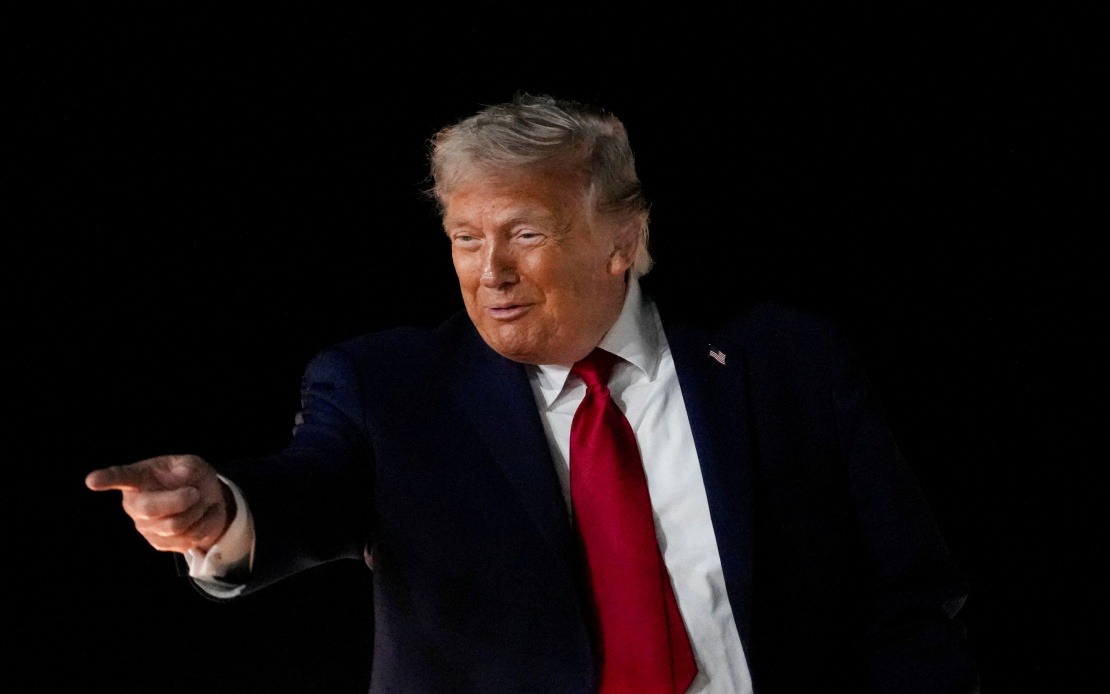
US President Donald Trump has escalated his rhetoric surrounding Canada's relationship with the United States, asserting that Ottawa seeks to enjoy the economic and political privileges of being an American state while refusing to accept formal membership. In a post on Truth Social, Trump declared that Canada cannot maintain this indefinite arrangement, particularly given what he characterises as years of unfair trade practices directed at American agricultural producers.
The American leader's comments emerge amid deteriorating trade relations between Washington and its northern neighbour. Trump specifically criticised what he termed "massive amounts of tariffs" imposed by Canada on US farmers over an extended period. This grievance appears central to the current breakdown in negotiations, with the administration determined to reverse what it views as accumulated trade imbalances affecting American agricultural interests across multiple administrations.
US Trade Representative Jamieson Greer confirmed that negotiations on a comprehensive trade agreement between the two nations had reached an impasse. According to Greer's statement, Canada declined to finalise the proposed deal, prompting the Trump administration to implement retaliatory measures. Tariffs on a range of Canadian goods became effective starting at 12:01 am Eastern Time on August 22, marking a significant escalation in the bilateral commercial dispute.
Trump's suggestion that Canada become the 51st state is not new rhetoric but rather a recurring theme in his recent public statements about North American integration. The president has previously made similar proposals regarding other territories and nations, including Greenland and Venezuela, framing these suggestions as logical extensions of American continental positioning and economic dominance. While presented somewhat facetiously in some instances, the statements reveal an underlying frustration with what the administration perceives as unequal trading relationships with neighboring countries.
For Malaysian observers and regional policymakers, this escalating Canada-US trade tension carries significant implications. The dispute highlights how even closely integrated neighbours with extensive existing trade arrangements can face sudden destabilisation when one party perceives fundamental unfairness in bilateral terms. The North American Free Trade Agreement framework, once considered a model of regional economic cooperation, is now under strain, suggesting that no trade relationship can be considered permanently secure regardless of historical precedent.
The implications extend beyond North America. Southeast Asian nations, including Malaysia, maintain substantial export relationships with both the United States and Canada. Any disruption to Canadian-American trade flows could create ripple effects throughout global supply chains. Additionally, the protectionist impulses evident in Trump's approach toward Canada may foreshadow similar trade pressure being applied to other trading partners, potentially affecting Malaysian exporters across various sectors from semiconductors to agricultural products.
Canada's position presents a cautionary lesson for smaller trading nations navigating relationships with larger economic powers. Despite sharing a continent, a common language with many Canadians, and deep historical ties, Ottawa finds itself unable to secure Trump's acceptance of existing commercial arrangements. This suggests that proximity and institutional relationships offer limited protection when confronted with an administration determined to restructure trade dynamics according to its particular conception of American interests.
The agricultural sector emphasis in Trump's complaints warrants particular attention. American farming communities represent a significant political constituency, and their grievances appear to drive trade policy decisions more forcefully than broader economic considerations that might favour maintaining stable relationships with major trading partners. This pattern suggests that regional exporters, particularly those in agricultural and resource sectors, should anticipate heightened scrutiny of their trade relationships with Washington under this administration.
The unresolved negotiations underscore how quickly apparent stability in international commerce can evaporate. Canada and the United States share integrated supply chains, cross-border investment, and complex labor arrangements developed over decades. Yet none of these structural factors proved sufficient to prevent rapid deterioration when political leadership determined that renegotiation was necessary. For Malaysian businesses with North American exposure, this instability introduces planning uncertainties that extend well beyond direct bilateral relationships.
Trump's framing of the dispute through the lens of Canadian demands for state-like privileges without formal membership represents a particular rhetorical approach designed to delegitimise Ottawa's position in public discourse. This suggests that the administration views the dispute not merely as a commercial matter requiring technical resolution but as a fundamental question about the hierarchy of North American relationships and America's capacity to dictate terms to neighbouring economies.
Looking ahead, the trajectory of this dispute may influence how other nations approach trade negotiations with the United States. The willingness to implement tariffs on a major trading partner following failed negotiations indicates that the Trump administration prioritises reshaping trade balances over maintaining institutional stability. For policymakers across Southeast Asia and beyond, understanding this negotiating posture becomes essential for constructing resilient trade strategies in an increasingly unpredictable international environment.

