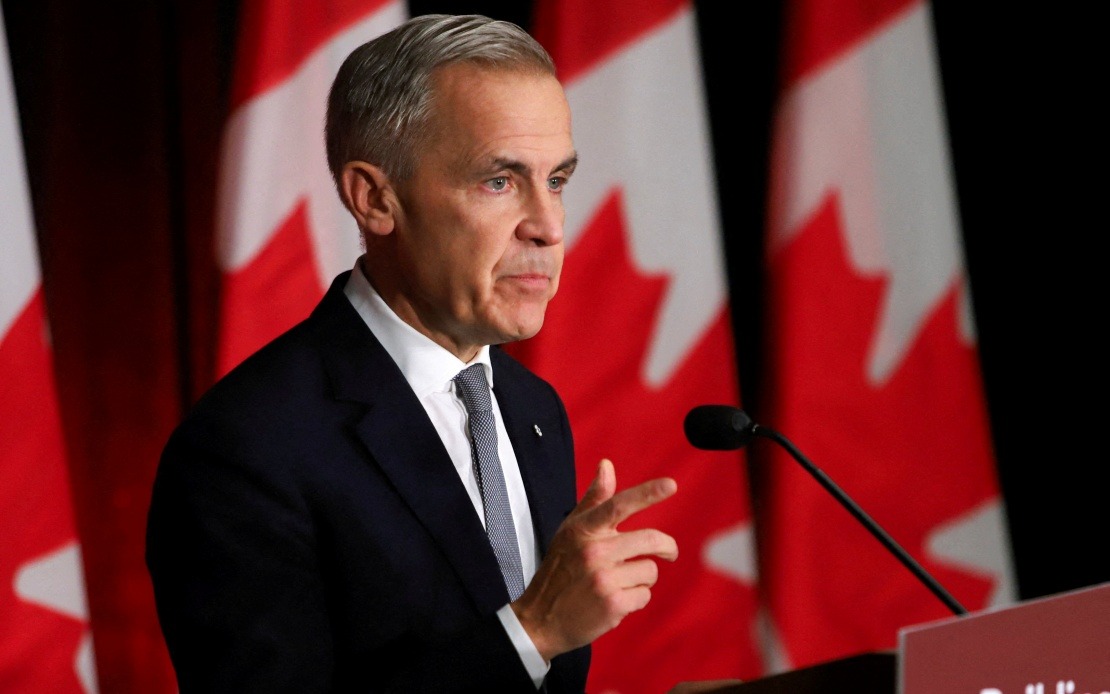
Canadian Prime Minister Mark Carney confirmed on Tuesday that he has engaged directly with US President Donald Trump, with both leaders committing to an intensified negotiation schedule in the weeks ahead. The announcement came amid mounting commercial tensions between the two neighbouring economies, signalling a diplomatic effort to resolve escalating trade disputes before threatened tariffs take effect. Carney's statement reflects the urgency with which Ottawa views the deteriorating trade relationship, even as the two countries remain locked in fundamental disagreements over trade practices and market access.
The acceleration of talks follows Trump's Monday decision to sign three proclamations imposing an additional 50 per cent tariff on a carefully selected range of Canadian products. According to White House documentation, the increased duties will target dairy items, alcoholic beverages, motor vehicles and associated components, though the administration has chosen to exempt energy products, potash, fish and critical minerals from the additional levies. This selective approach suggests a strategic calculation about which sectors can withstand tariff pressure and which remain too economically important to burden with punitive duties.
The new tariffs are scheduled to take effect on August 19, providing both governments with a compressed timeframe to negotiate a resolution. Carney acknowledged this reality by stating that Canada would comprehensively evaluate its response options should the duties proceed as planned, indicating that Ottawa is preparing retaliatory measures while simultaneously engaging in good-faith dialogue. This dual-track approach—combining negotiation with contingency planning—has become standard practice in modern trade disputes, though it also reflects the genuine uncertainty about whether diplomatic efforts will succeed.
Trump's justification for the tariffs centres on allegations that Canada has engaged in discriminatory practices against American commerce, a characterisation that Canadian officials dispute. The framing of these measures as defensive rather than protectionist reflects the political language increasingly common in North American trade policy, where tariffs are presented as necessary corrections to unfair treatment rather than as obstacles to free commerce. However, this narrative remains contested, particularly given the mutual economic interdependence that characterizes the Canada-United States relationship.
Canada's immediate response, issued through Prime Minister Carney on Monday, positioned the new tariffs as violations of the trilateral Canada-United States-Mexico Agreement, the continental trade framework that has governed commercial relations since 1994. This invocation of treaty law represents Ottawa's chosen avenue for contesting the tariffs' legitimacy, suggesting that Canada may pursue dispute settlement mechanisms through formal trade channels rather than relying solely on retaliatory tariffs. The legal argument carries weight given that both countries are bound by binding international commitments, though whether formal mechanisms will provide meaningful remedies remains uncertain.
For Malaysian and Southeast Asian observers, this escalating North American trade conflict carries important implications. The tariff dispute threatens to disrupt supply chains that extend across the Pacific, potentially affecting regional manufacturers who depend on North American inputs or markets. Canadian and American companies operating throughout Southeast Asia may face increased pressure if transatlantic commerce becomes more constrained, and regional governments will likely monitor how this dispute unfolds to assess risks to their own trading relationships with both nations.
The automotive sector merits particular attention, as it features prominently in the tariff dispute. Motor vehicles and related components represent significant commercial flows between Canada and the United States, and tariff increases in this sector could ripple through global supply networks. Southeast Asian automotive manufacturers and suppliers with North American operations or exports face potential margin pressure, particularly if tariffs force upstream cost increases throughout the production chain.
The strategic exemption of energy products and critical minerals from the tariff list reveals important priorities within the Trump administration's thinking. Energy independence and domestic mineral supplies have emerged as national security concerns within American policy circles, suggesting that these sectors are viewed as too strategically important to subject to tariff pressures that might complicate supply relationships. Canada's status as a major energy exporter and critical minerals supplier means these exemptions provide some protection to significant Canadian industries, even as other sectors face serious commercial headwinds.
The timeline for resolution remains uncertain, with only three weeks between the announcement and implementation. Carney's commitment to intensified negotiations suggests that both sides recognize the economic costs of sustained tariff escalation and the mutual benefits of reaching accommodation. However, the underlying disagreements about trade fairness and market access have proven resistant to resolution despite previous negotiation attempts, raising questions about whether accelerated talks can achieve breakthrough results where previous efforts have stalled.
The bilateral relationship between Canada and the United States has historically accommodated significant trade friction alongside deep economic integration, reflecting their asymmetric but complementary economies. Whether this current dispute follows historical patterns of negotiated resolution or represents a more fundamental shift in continental trade relations remains to be determined. The coming weeks will prove decisive, as both governments attempt to navigate competing demands for domestic political satisfaction and the preservation of mutually beneficial commercial relationships that underpin prosperity on both sides of the border.

