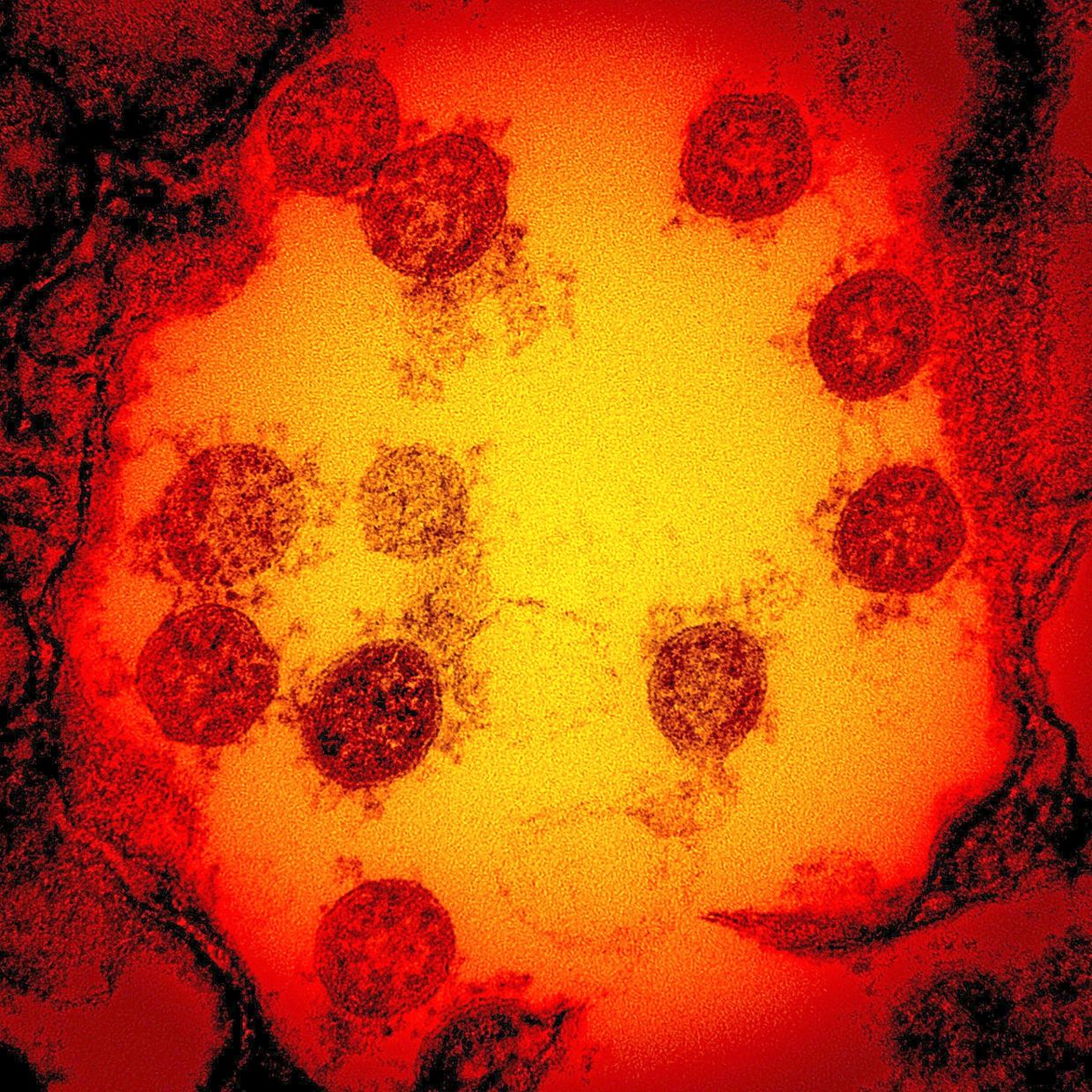
Scientists at Cambridge University have unveiled an artificial intelligence-powered vaccine platform designed to confer immunity against entire families of viruses rather than individual strains, potentially reshaping pandemic preparedness strategies for the region and beyond. The innovation represents a fundamental shift away from conventional vaccine development, which has historically focused on combating known viral threats after they emerge. Dr Jonathan Heeney, a professor of Comparative Pathology at Cambridge and head of the Laboratory of Viral Zoonotics at the university's Department of Veterinary Medicine, described the advancement as possessing a "master key" function — similar to a single key that opens multiple apartments in a building.
The limitations of existing vaccine approaches informed the Cambridge team's strategic direction. Traditional vaccines target specific viral strains or variants, creating a perpetual cycle where researchers scramble to develop countermeasures against emerging mutations. As Dr Heeney explained, vaccines remain fundamentally "historic" in nature, protecting against pathogens circulating at the time of immunisation while offering diminishing efficacy against future variants. This reactive posture means healthcare systems and populations constantly lag behind viral evolution, necessitating repeated vaccination campaigns and leaving populations vulnerable during the interval between viral emergence and vaccine availability. The new platform addresses this vulnerability by identifying immunological markers common across an entire virus family, enabling the immune system to recognise and neutralise multiple variants simultaneously.
The genesis of this technology traces directly to the catastrophic 2013-16 Ebola outbreak in West Africa, which fundamentally altered Dr Heeney's research priorities and methodology. The outbreak, which ultimately claimed approximately 11,300 lives according to the World Health Organization, began in Guinea before spreading rapidly to Sierra Leone and Liberia within a matter of months. A critical factor in the delayed response was misidentification: initial cases were variously diagnosed as Lassa fever, gastroenteritis, and cholera rather than Ebola, consuming three to four months before accurate identification enabled vaccine research to commence. Dr Heeney, who was stationed in West Africa during the epidemic, witnessed firsthand how this lag period transformed a contained outbreak into a regional catastrophe, with many frontline healthcare workers among the victims. The experience crystallised his conviction that vaccine development methodology required radical transformation.
Returning to Cambridge after the West African crisis, Dr Heeney's team implemented an innovative analytical approach leveraging early artificial intelligence capabilities to revolutionise vaccine construction. The methodology involved aggregating comprehensive data across multiple virus species and variants, then algorithmically identifying structural and immunological similarities that persist across the viral family. By focusing on these conserved elements — the viral components that remain essentially unchanged across variants — researchers could design immunogens capable of triggering immune responses effective against multiple threat variants simultaneously. This represents a conceptual leap from conventional approaches that typically emphasise unique markers distinguishing individual variants. Instead, the Cambridge platform emphasises universal vulnerability points that characterise the entire virus family, enabling a single vaccine formulation to address multiple contingencies.
The urgency of developing such broad-spectrum approaches has intensified due to epidemiological trends favouring pathogen emergence. Dr Heeney highlighted three converging factors driving increased viral spillover from animal populations to humans. Global population growth has expanded human settlement into previously undisturbed ecosystems, increasing contact with wildlife harbouring zoonotic viruses. Simultaneously, enhanced international mobility has accelerated transmission across borders, compressing the timeframe between local emergence and pandemic establishment. Additionally, anthropogenic environmental pressures have disrupted ecological balances that previously contained animal viruses within reservoir species. Viruses that historically caused minimal harm in evolutionarily adapted animal hosts suddenly encounter a naive human population entirely lacking natural immunity or developed immune defences. The result, as Dr Heeney vividly expressed, involves viruses "going crazy" in this epidemiologically naive population, potentially triggering severe pandemic outcomes.
Early clinical validation of the platform's efficacy has proceeded through a controlled trial involving 39 volunteers, conducted in collaboration with University Hospital Southampton and the Cambridge-associated biotechnology firm DIOSynVax. This initial phase proved sufficiently encouraging to advance the technology toward larger-scale clinical trials, a critical milestone in the development trajectory. The progression from small exploratory trials to expanded human studies suggests preliminary safety and immunogenicity data proved acceptable to regulatory authorities and research oversight bodies. While the full trial results remain under development, the advancement to expanded trials indicates promising preliminary findings warranting further investigation in larger and more diverse populations.
Dr Heeney identified influenza as among the most consequential targets for this platform, describing the virus as particularly "tricky" given its notorious capacity for rapid mutation and pandemic potential. Historical context underscores this concern: the 1918-20 influenza pandemic killed an estimated 25-50 million globally, representing one of the deadliest pandemics in recorded history. More recent outbreaks, including the 2009 H1N1 pandemic and periodic seasonal influenza circulation, continue demonstrating influenza's pandemic potential. By developing a vaccine platform capable of providing cross-protective immunity against the entire influenza virus family, researchers could potentially prevent or substantially mitigate future influenza pandemics.
The technology's advancement reflects ongoing enhancements to underlying artificial intelligence capabilities and computational methodologies. Dr Heeney noted that his team has incorporated latest-generation AI algorithms representing a substantial evolutionary leap beyond the early AI systems utilised during the platform's initial development. These advanced systems process exponentially greater datasets and identify patterns with enhanced sophistication, enabling faster translation from discovery to clinical application. The iterative improvement cycle — wherein enhanced computational power enables more refined viral analysis, which informs more sophisticated vaccine designs — positions the platform for continuous advancement.
From a practical implementation perspective, successful demonstration of the platform's safety and efficacy could fundamentally alter vaccine manufacturing and pandemic preparedness architecture. Rather than maintaining separate vaccine production capacity for individual pathogenic threats, manufacturers could develop platform approaches capable of rapid adaptation across viral families. This would substantially compress the interval between pathogen identification and vaccine availability — currently measured in months to years — potentially reducing it to weeks or even days. For nations throughout Southeast Asia and beyond, where resource constraints limit vaccine production capacity and pandemic preparedness infrastructure, such efficiency gains carry profound implications. Smaller nations could leverage this platform technology to provide rapid population protection during emerging outbreaks, rather than depending entirely on wealthy nations' vaccine manufacturing capacity.
Dr Heeney expressed cautious optimism regarding the platform's potential to prevent future pandemics, framing the current moment as possibly representing "the start of a whole new era of vaccine manufacturing." His stated priority involves rigorous demonstration that the technology is safe, more effective than conventional approaches, and merits broad adoption within the global health community. The successful transition from theoretical concept through early animal studies and small human trials to expanded clinical evaluation represents substantial progress, though substantial validation work remains. However, if the platform ultimately proves both safe and efficacious across multiple viral families, it would represent perhaps the most significant advance in vaccine development since conventional immunisation technology's inception.
The potential implications extend beyond pandemic prevention to fundamentally reshape how humanity approaches viral threats. Rather than perpetually "chasing the virus" through reactive vaccine development, public health systems could transition toward proactive immunisation strategies providing broad protection against entire classes of pathogens. For Malaysian healthcare planners and policymakers, engagement with this emerging technology represents an opportunity to position the nation at the forefront of pandemic preparedness innovation. Should the Cambridge platform prove successful, early adoption could confer substantial advantages in protecting populations against future zoonotic spillover events, which epidemiologists anticipate will continue occurring with increasing frequency in coming decades.

