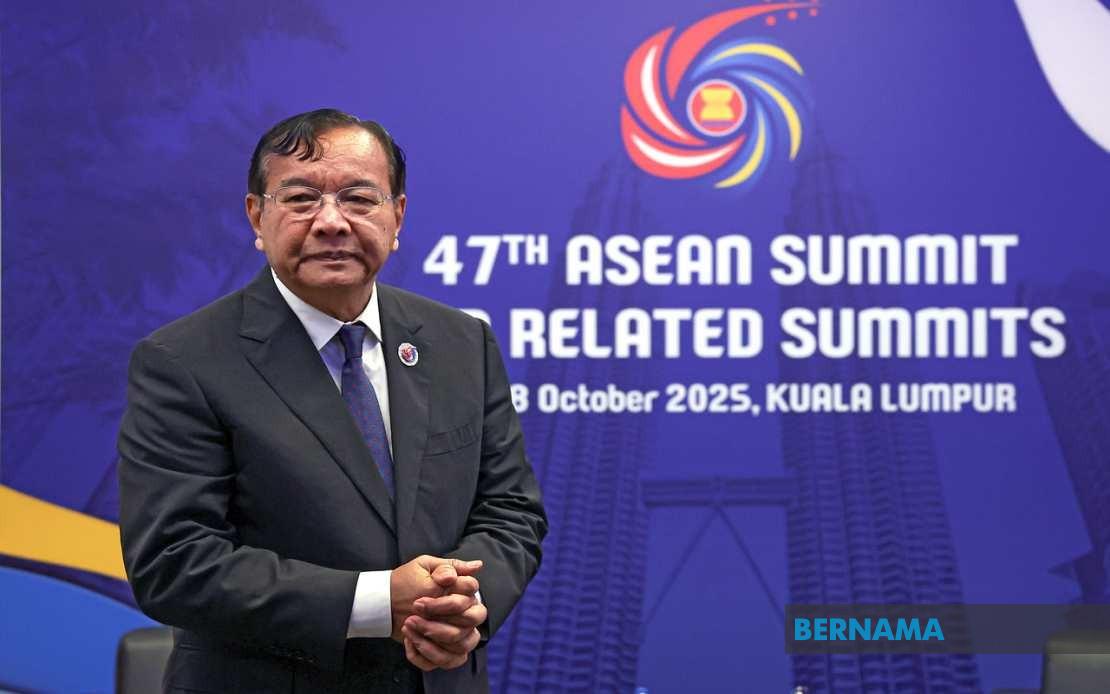
Cambodian Deputy Prime Minister and Minister of Foreign Affairs and International Cooperation Prak Sokhonn has arrived in Malaysia for a two-day official visit that marks a significant milestone in regional diplomacy. The centrepiece of his engagement is the third Malaysia-Cambodia Joint Commission for Bilateral Cooperation (JCBC) meeting, which will be co-chaired with Malaysia's Foreign Minister Datuk Seri Mohamad Hasan on Tuesday in Kuala Lumpur. This gathering carries particular weight as it represents the resurrection of an institutional dialogue mechanism that has been inactive for the past two decades, with the last meeting taking place in Siem Reap in 2006.
The timing of this bilateral initiative is deliberate and forward-looking. Both countries are positioning themselves to commemorate the 70th anniversary of diplomatic relations in 2027, a milestone that reflects the historical depth of ties between Malaysia and Cambodia. By reactivating the JCBC now, the two nations are signalling their commitment to building institutional foundations that will carry their relationship through the coming years. This institutional revival suggests that senior leadership in both capitals recognises untapped potential in bilateral cooperation and views the relationship as worthy of renewed, structured engagement at the highest levels.
As part of the visit, Prak Sokhonn will pay a courtesy call on Prime Minister Datuk Seri Anwar Ibrahim on Monday. Such meetings between national leaders, though ceremonial in appearance, serve important functions in Southeast Asian diplomacy. They provide opportunities for direct communication on strategic matters, allow leaders to demonstrate public commitment to bilateral relationships, and create space for candid discussions on sensitive issues that might be difficult to broach through standard diplomatic channels. Both leaders are expected to reaffirm longstanding bilateral commitments while discussing matters of shared concern affecting the region.
The economic dimension of Malaysia-Cambodia relations has strengthened considerably in recent years, providing tangible substance to political engagement. In 2025, bilateral trade between the two countries surged by 27.4 per cent year-on-year, reaching RM5 billion or approximately US$1.17 billion. Malaysian exports to Cambodia amounted to RM4.13 billion, while Cambodia's exports to Malaysia totalled RM880 million. These figures demonstrate robust commercial activity and suggest that Malaysian businesses maintain strong confidence in the Cambodian market, particularly in manufacturing and trade sectors where Malaysia has established competitive advantages.
Beyond trade flows, Malaysia's investment presence in Cambodia underscores deeper economic integration. As of 2024, Malaysian cumulative investments in Cambodia reached US$3.20 billion across 162 registered projects, positioning Malaysia as Cambodia's third-largest foreign investor. This substantial investment commitment reflects Malaysian companies' long-term confidence in Cambodia's development trajectory and business environment. The diversity of 162 registered projects suggests investments span multiple sectors, from manufacturing to services, creating employment and technology transfer that benefits both economies.
The revival of the JCBC mechanism addresses a gap in Malaysia-Cambodia institutional cooperation that has persisted for two decades. The absence of this high-level forum during the intervening years likely meant that bilateral issues were managed through routine diplomatic channels rather than coordinated strategic dialogue. By reconvening the commission, Malaysia and Cambodia gain a structured platform to align policies across multiple sectors including trade, investment, education, culture, and security. The joint mechanism allows both nations to identify blockages in cooperation, celebrate successes, and establish working groups to tackle emerging challenges.
For Malaysia, the renewed focus on Cambodia reflects broader regional strategy in Southeast Asia. With Thailand, Vietnam, and Laos already integral to Malaysia's bilateral engagement, strengthening ties with Cambodia completes a more comprehensive picture of Malay-speaking and Southeast Asian cooperation. Cambodia, as a member of the Association of Southeast Asian Nations and a strategic location in mainland Southeast Asia, offers Malaysia opportunities to deepen influence and cooperation across ASEAN. The timing also aligns with Malaysia's efforts to position itself as a reliable economic partner and regional player as regional dynamics evolve.
The expected signing of the Agreed Minutes of the third JCBC at the conclusion of Tuesday's meeting will codify the outcomes and commitments made during discussions. These agreed minutes typically outline specific areas of cooperation, establish timelines for implementation, and commit both parties to specific bilateral initiatives. Such formal documentation provides accountability and creates benchmarks against which future progress can be measured. It also sends a clear message to business communities, civil society, and international observers that both governments are serious about their bilateral commitment.
For Malaysian readers and businesses, the reactivation of Malaysia-Cambodia cooperation carries practical implications. Companies seeking expansion opportunities in Cambodia now have greater clarity about government support and institutional backing for bilateral projects. The renewed JCBC framework suggests that disputes or barriers to trade and investment will have a dedicated channel for resolution at high levels. Malaysian exporters, investors, and service providers can expect improved predictability in the business environment as the two governments coordinate policies more systematically through the bilateral commission.

