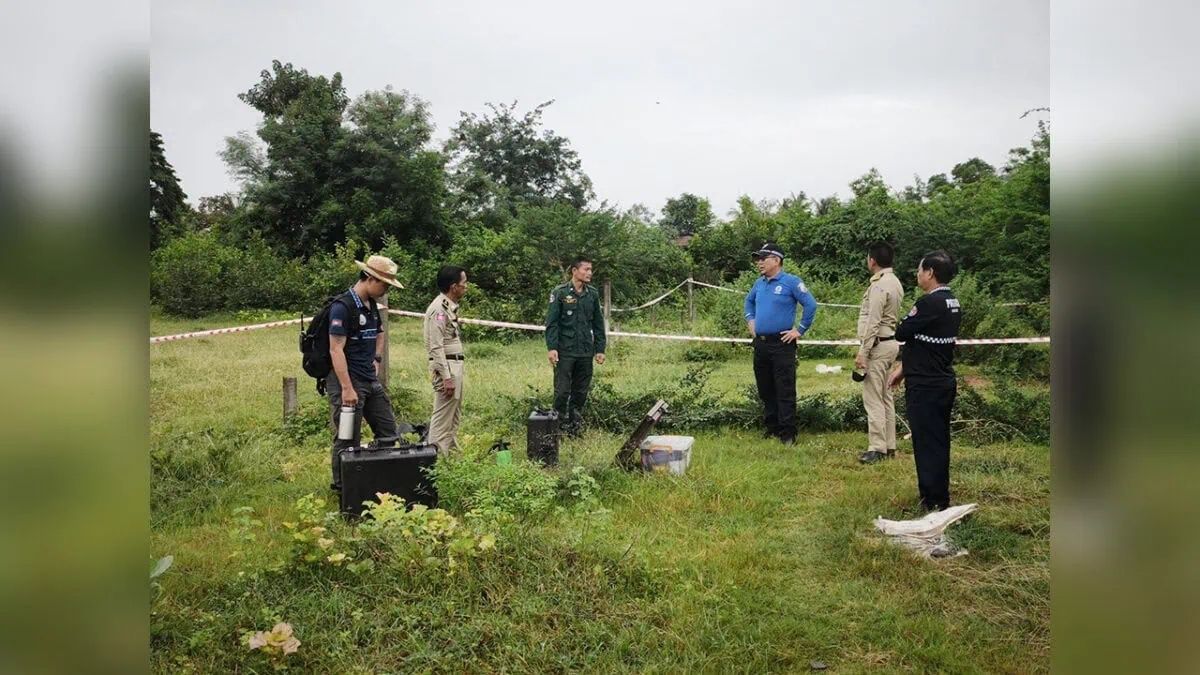
The Cambodian National Police have mobilized a multi-agency response to investigate the deaths of two young children whose bodies were discovered in Banteay Meanchey province, marking a troubling case that has drawn the attention of senior law enforcement officials and child welfare organizations. The investigations, initiated following discoveries on July 28, underscore the challenges faced by regional authorities in addressing violent crimes against vulnerable populations and the institutional mechanisms in place to respond to such incidents.
According to statements issued by the Child Protection Unit on August 3, the two cases are being handled as entirely separate investigations, with each death classified as an independent child homicide. This distinction carries significance for how evidence is processed and how investigative resources are allocated, as authorities work to determine the circumstances surrounding each fatality. The formal treatment of both incidents as homicides indicates that preliminary assessments have ruled out accidental deaths, pointing instead toward deliberate criminal conduct.
The first discovered victim was a 15-month-old child whose body was located in a pond situated within Mongkol Borei district at approximately 8 in the morning on July 28. The second child, a five-year-old who had been missing since July 25, was found in Teuk Thla commune at around the same time that morning. The proximity of the discoveries—both occurring on the same date and within the same timeframe—initially raised questions about potential connections, though investigating authorities have since determined that the cases remain unrelated.
The investigative machinery set in motion reflects Cambodia's institutional approach to serious crimes. The Cambodian National Police have coordinated with the Child Protection Unit, the provincial police authorities in Banteay Meanchey, and the Minister of Interior's Department of Technical and Scientific Police to form a coordinated response. This layered institutional involvement suggests the recognition that child homicides require specialized expertise, forensic capabilities, and child welfare knowledge beyond standard criminal investigation procedures.
Forensic examination of both crime scenes has been completed, and preliminary investigative work has proceeded swiftly. The authorities' rapid movement from discovery to classification as homicides indicates that physical evidence gathered at the scenes provided sufficient grounds to rule out alternative explanations for the children's deaths. The specific forensic findings and preliminary conclusions, however, remain undisclosed as investigations continue.
James McCabe, director of the Child Protection Unit, has issued public statements affirming the commitment of all involved agencies to pursuing comprehensive and professional investigations. McCabe emphasized that investigative resources would be deployed fully to ensure both cases receive thorough examination and that evidence is pursued to the greatest extent possible. His remarks signal to the public and to the families involved that these investigations will not be treated as peripheral matters but rather as priority cases demanding sustained attention and investigative rigor.
The commitment to prosecution represents a crucial component of the investigative framework. McCabe explicitly stated that any individuals determined to have involvement in either death would face judicial proceedings, effectively signaling that investigations are intended to result in criminal charges and court proceedings rather than simply closing cases. This position carries weight in a region where concerns about impunity and inconsistent application of justice systems have occasionally marked high-profile cases.
The discovery of these deaths in Banteay Meanchey, a northwestern province bordering Thailand, occurs within a broader Southeast Asian context where child safety remains a pressing concern for both national governments and regional organizations. The province, situated along important trade routes and with significant cross-border movement, presents unique law enforcement challenges. The coordinated response visible here demonstrates how Cambodian authorities approach crimes against children, though such investigations inevitably raise questions about prevention, child welfare systems, and community protection mechanisms.
The authorities have maintained operational silence regarding specific investigative details, a standard practice designed to prevent contamination of evidence and to avoid compromising ongoing inquiries. This approach, while potentially frustrating to the public and media seeking fuller information, reflects recognized best practices in criminal investigation. The decision to withhold operational details underscores that both cases remain in active investigation phases rather than approaching closure.
The expression of condolences extended to the families of both children, coupled with affirmations of commitment to securing justice, represents the official acknowledgment of the human dimensions underlying these cases. Beyond the procedural and forensic aspects of investigation lies the profound loss experienced by families and communities. The framing of these investigations as pursuits of justice for victims establishes the moral and legal foundation upon which both inquiries proceed.
For Malaysia and other Southeast Asian nations, these developments in Cambodia highlight the shared regional challenges in protecting vulnerable populations and responding effectively to serious crimes. Child protection mechanisms, forensic capabilities, and inter-agency coordination remain areas of ongoing development across the region. The Cambodian response, involving specialized units and technical police resources, demonstrates institutional attempts to address such crimes systematically, though questions about resource constraints and investigative capacity persist across the region.
The outcomes of these investigations will likely influence discussions about child protection policies and investigative procedures not only within Cambodia but potentially across Southeast Asia. Regional law enforcement organizations and child welfare bodies monitor significant cases to identify lessons, best practices, and areas requiring strengthened cooperation. As these investigations proceed, they represent both a response to tragedy and an opportunity for institutional learning about how societies can better protect their most vulnerable members.

